

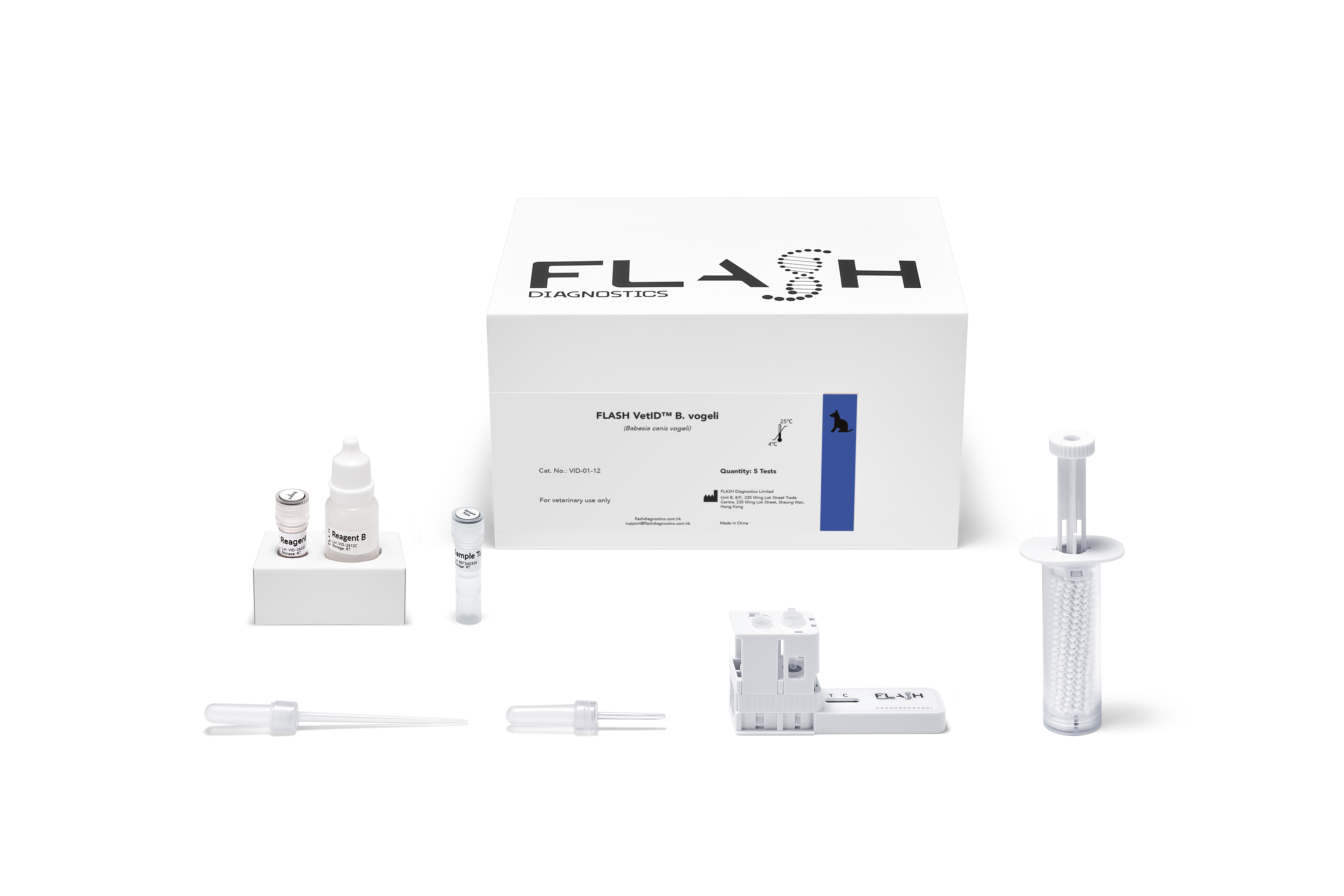
FLASH VetIDTM B. vogeli
Fast test for the qualitative detection of DNA of Babesia canis vogeli in whole blood of the dog.
- Detects DNA directly – published blood smear detection rates for B. vogeli have been as low as ~12%
- Aids to select the appropriate combination drug therapy
40
minutes
Total assay time
50 μL
EDTA whole blood
Sample
Room
temperature
Storage
12
months
Shelf life
Clinical suspicion:
- Lethargy, fever, pale mucous membranes or icterus in a dog with tick exposure
- Puppies under approximately 4 months showing severe anaemia or unexplained deterioration
- Pigmenturia (dark or red-tinged urine)
- More pronounced fever, anaemia or thrombocytopenia than expected, suggesting possible coinfection with Ehrlichia canis
- Splenectomised, immunosuppressed, or chronically ill dogs with unexplained anaemia
Screening / prevention programs:
- Blood donor screening – PCR-negative status before donation
- Dogs in endemic regions with inconsistent or no tick prevention
- Pre-splenectomy or pre-immunosuppression screening
- Monitoring known carriers or previously treated dogs for relapse
Pathogen and transmission
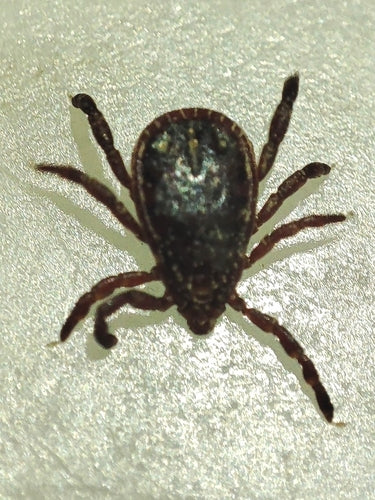
Babesia canis vogeli is an intraerythrocytic protozoan and the most commonly reported large Babesia species in dogs worldwide. Its distribution tracks closely with the brown dog tick complex (Rhipicephalus sanguineus sensu lato and related lineages), a vector well adapted to kennels and household environments – meaning year-round indoor risk, not just outdoor exposure. Dogs are the intermediate host; the tick is the definitive host in which the parasite completes its sexual stage.
Species-Specific Manifestations
Adult dogs commonly have mild or subclinical infection; but puppies under 3–4 months, immunosuppressed, or splenectomised dogs, and dogs with underlying disease are at greater risk of severe anaemia and death. Coinfection matters: experimental work shows dogs coinfected with B. vogeli and Ehrlichia canis develop higher fever, more severe anaemia, and lower platelet counts than either infection alone.
The Diagnostic Value Proposition
Blood smear sensitivity is particularly poor for B. vogeli – in one study, smear detected only 11.9% of confirmed cases against a PCR rate of 14.47%, and species-specific PCR has reached 100% sensitivity and specificity in validation studies. Treatment with imidocarb often improves clinical signs without necessarily clearing infection, so dogs may remain long-term carriers. Molecular testing and clinical improvement confirm both initial infection and post-treatment status.

Overall workflow
1. Prepare the sample in 10 minutes with the SampleDirect cartridge
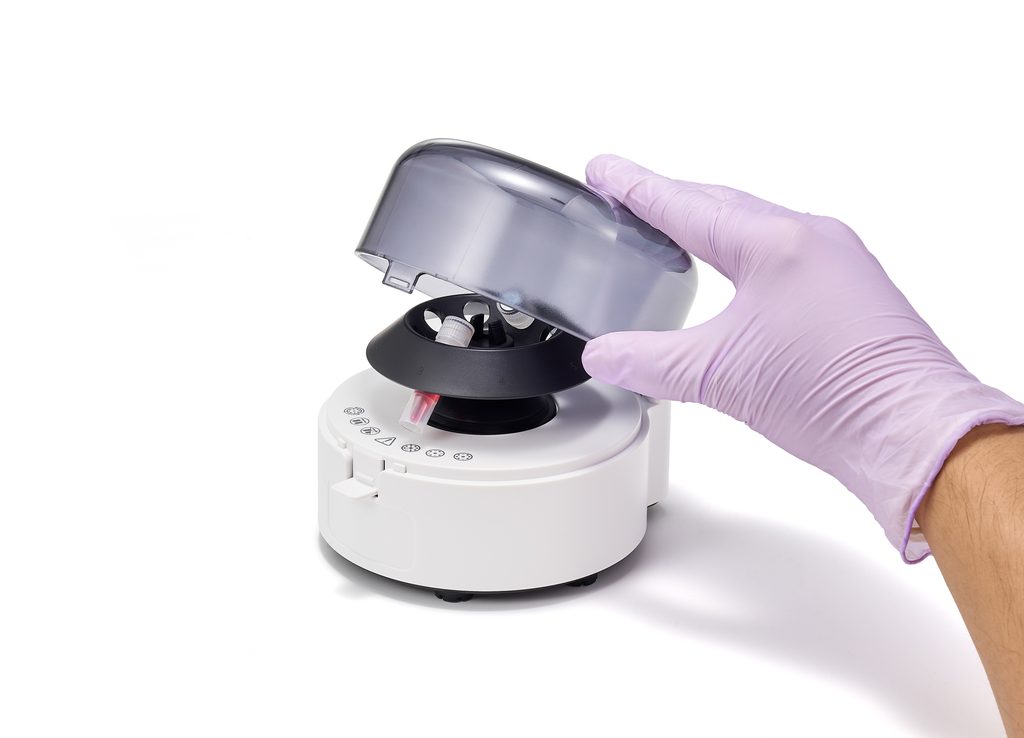
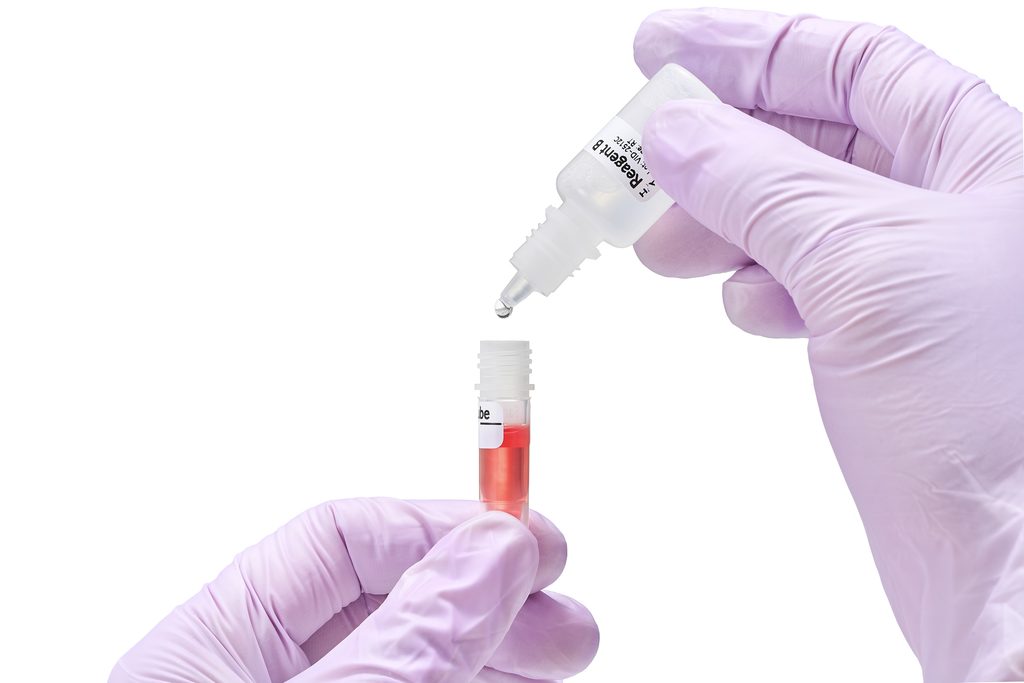
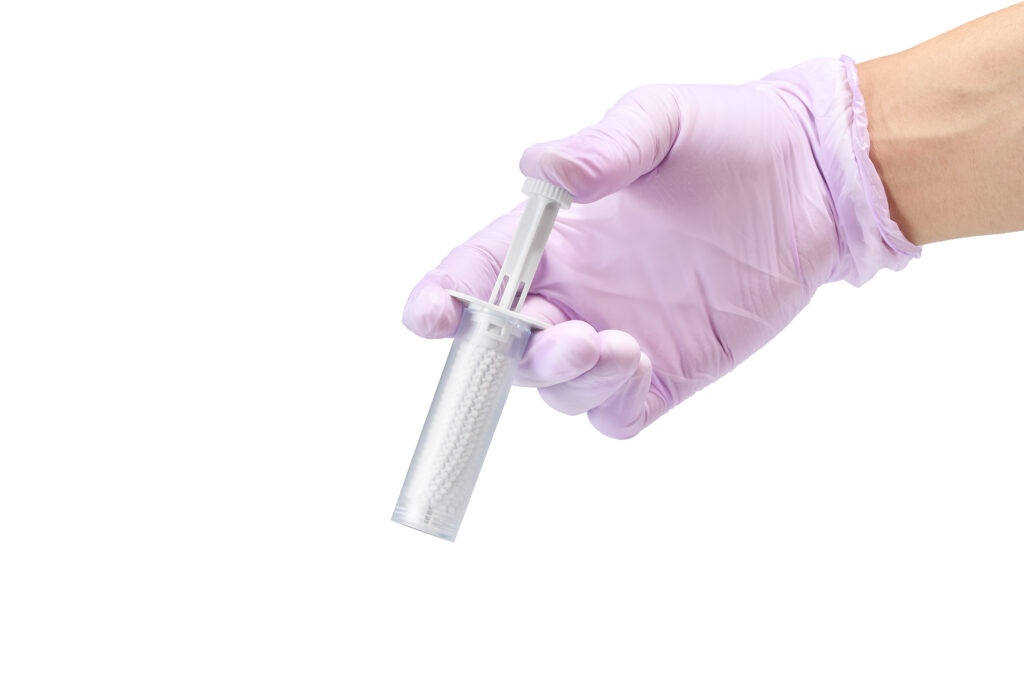
2. Transfer sample into the test cartridge and run it on the FLASH BaseTM
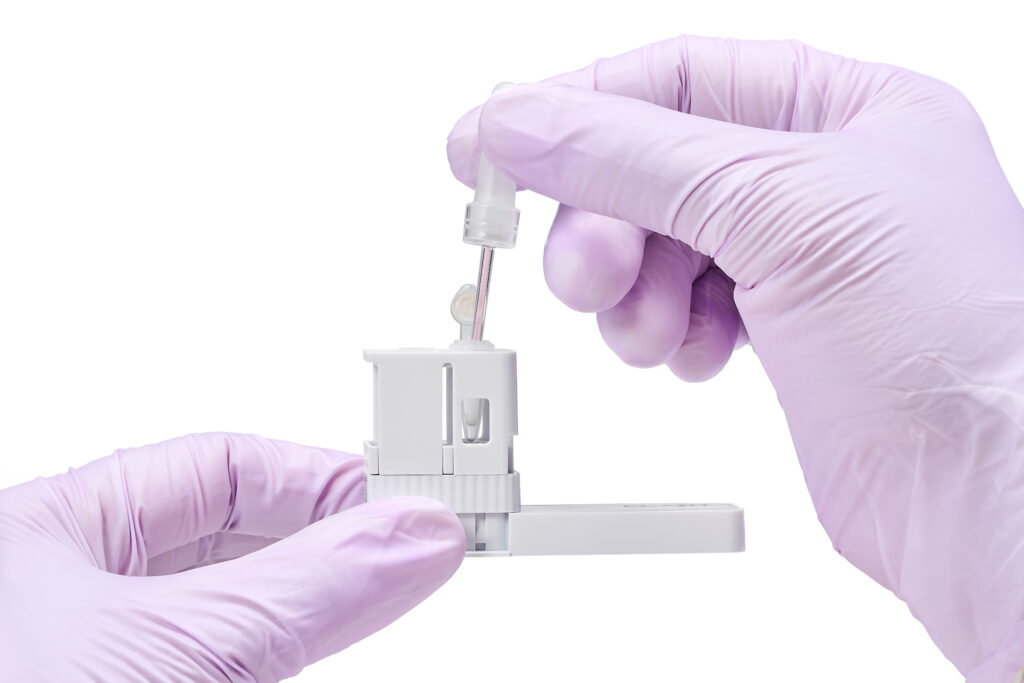
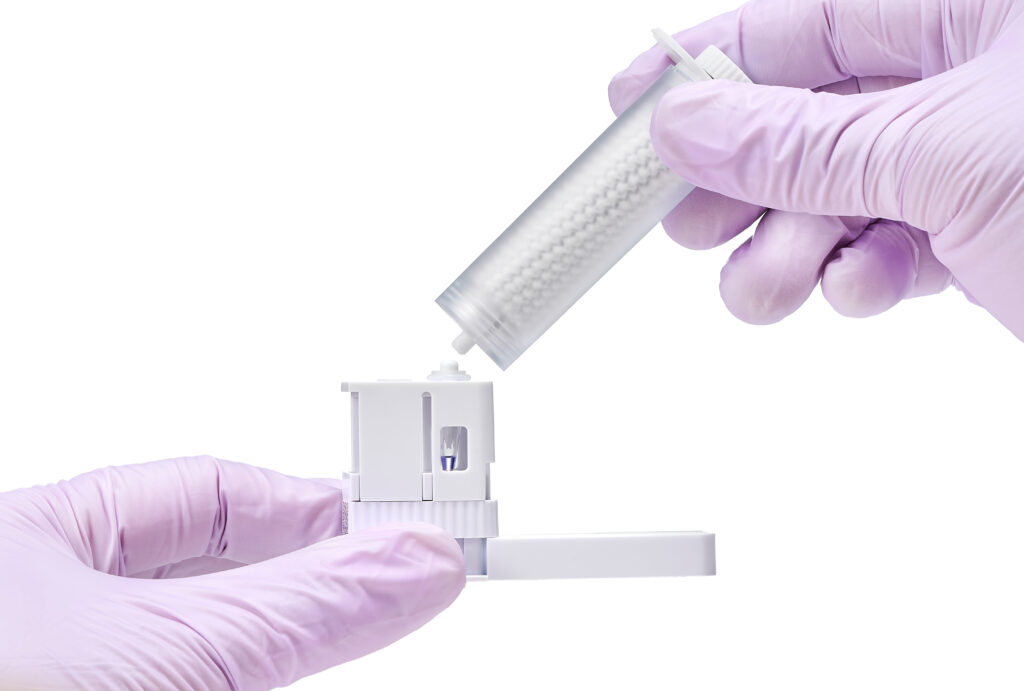
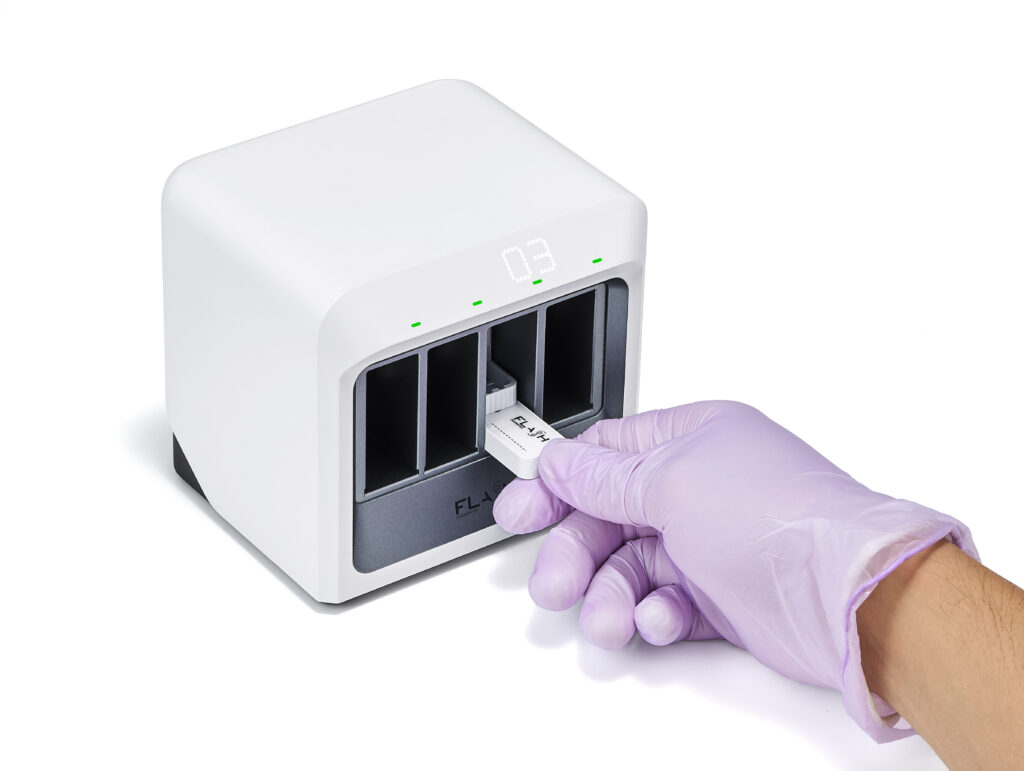
3. Activate the test cartridge and read the results
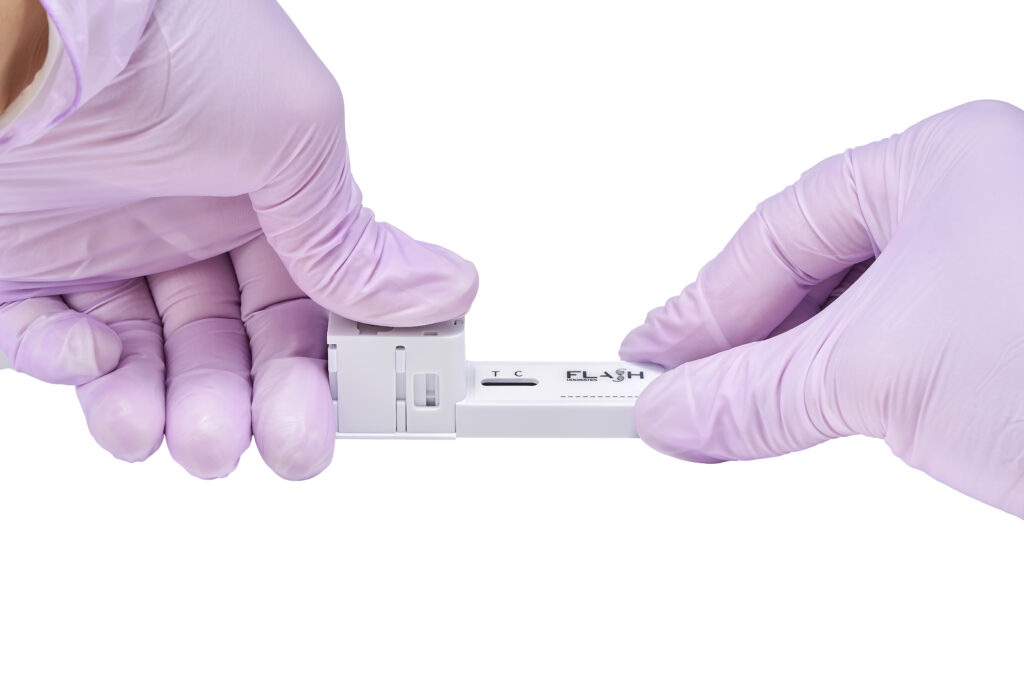
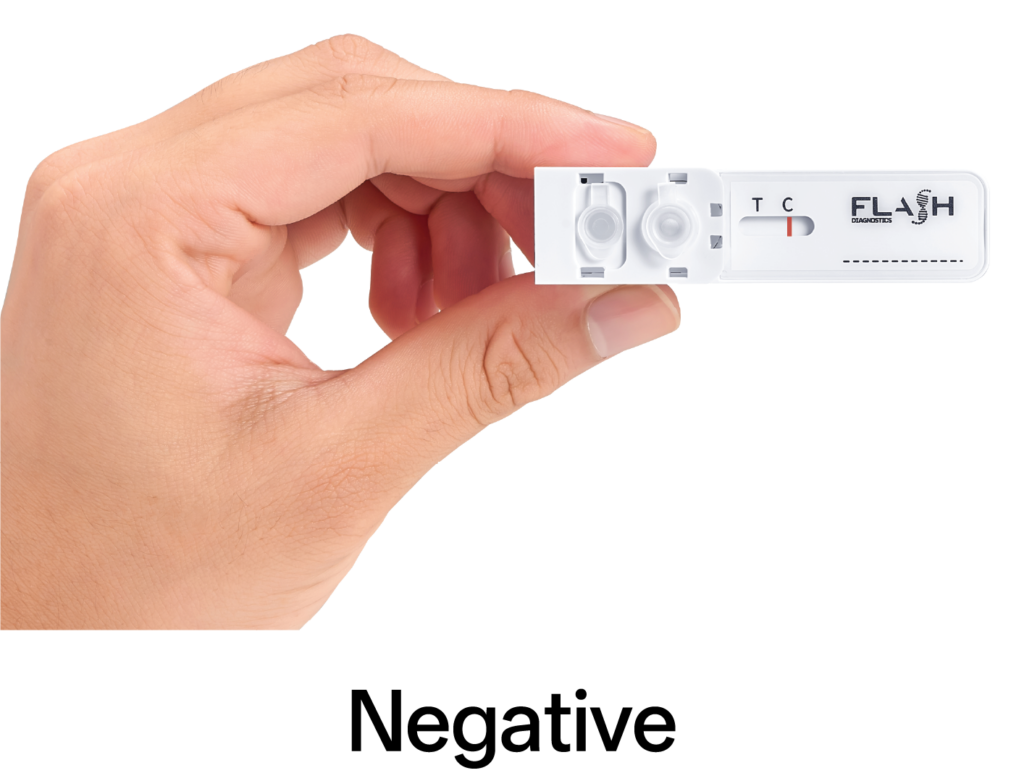
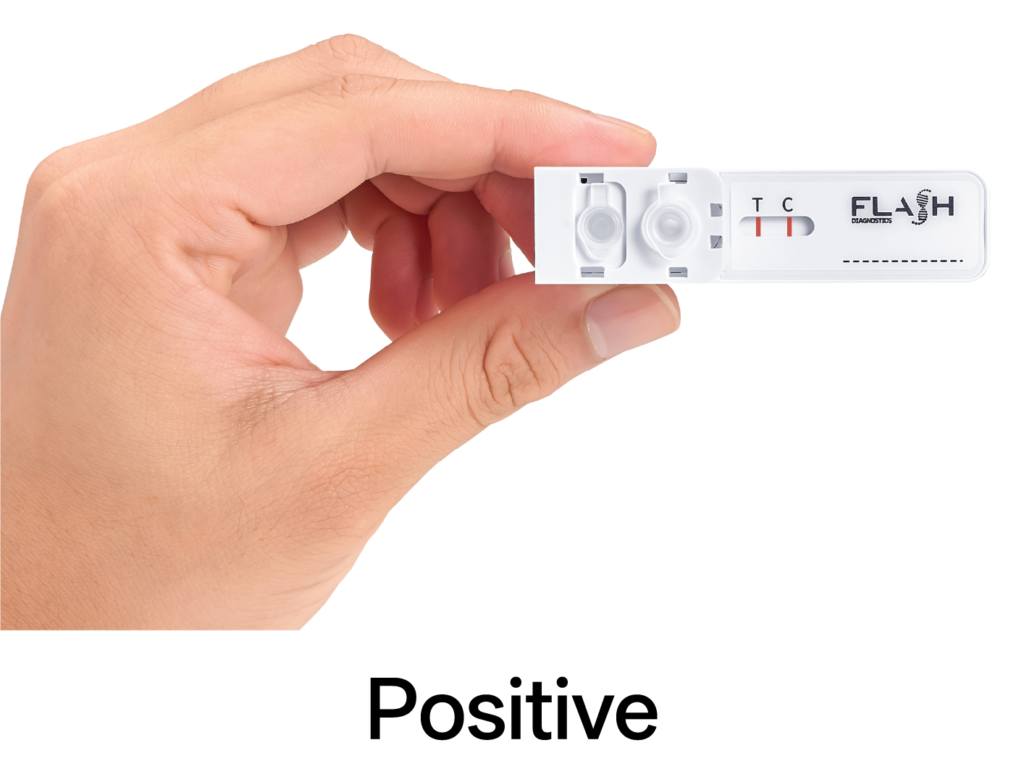
OR
General information
Target: Babesia canis vogeli
Species: Canine
Sample type: 50 μL EDTA blood
Result interpretation: Visual – lateral flow strip
Format: Single-use disposable test kit
Reagents: Lyophilized beads for isothermal amplification reaction
Hands-on sample preparation: 5 minutes + 5 minutes centrifugation
Reaction time: 30 minutes
Analytical limit of detection: 1,000 copies per reaction
Shelf life and storage: 12 months at room temperature