

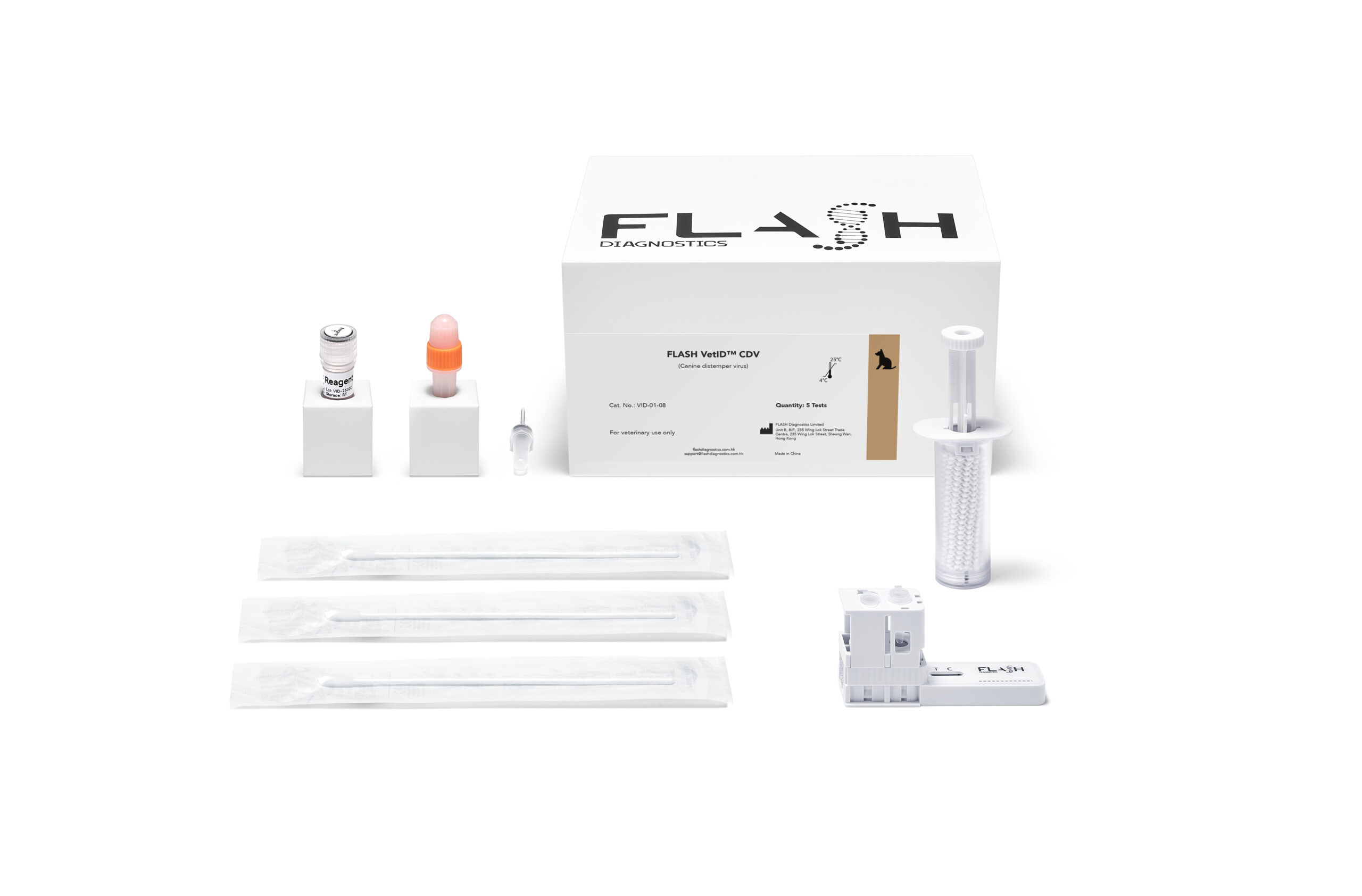
FLASH VetIDTM CDV
Fast test for the qualitative detection of RNA of Canine distemper virus (CDV) in conjunctival, nasal, and oropharyngeal swabs of the dog.
- Sample: Conjunctival and nasal swabs (essential); add an oropharyngeal swab if secretions are present
- Nucleic acid testing is more sensitive than antigen tests
35
minutes
Total assay time
Detect
viral RNA
Test
Room
temperature
Storage
12
months
Shelf life
Clinical suspicion:
- Biphasic fever, depression, and reduced appetite with ocular or nasal discharge
- Coughing or pneumonia together with vomiting and diarrhea
- Hyperkeratosis of the nasal planum or footpads (“hard pad”)
- Myoclonus, seizure-like episodes, vestibular or cerebellar signs, or paresis – particularly 1-3 weeks after systemic illness
- Young, incompletely vaccinated dogs, or dogs recently imported, rescued, or introduced into a shelter or kennel
Screening / prevention programs:
- Shelter intake screening and outbreak investigation before mixing dogs
- Screening of imported or rescued dogs before introduction to a household, kennel or shelter population
- Work-up of a young or incompletely vaccinated dog presenting with vague systemic signs
- Differentiating CDV from other causes when neurologic signs follow a recent systemic illness
Pathogen and transmission
Canine distemper virus (CDV, current taxonomic name Canine morbillivirus) is an enveloped, single-stranded RNA virus with an unusually broad host range spanning several carnivore families. Transmission occurs mainly through direct contact with respiratory secretions and airborne droplets, though urine, saliva, and contaminated surfaces can also contribute. The virus is shed for several days before clinical signs appear, and low temperatures prolong environmental survival.
Species-Specific Manifestations
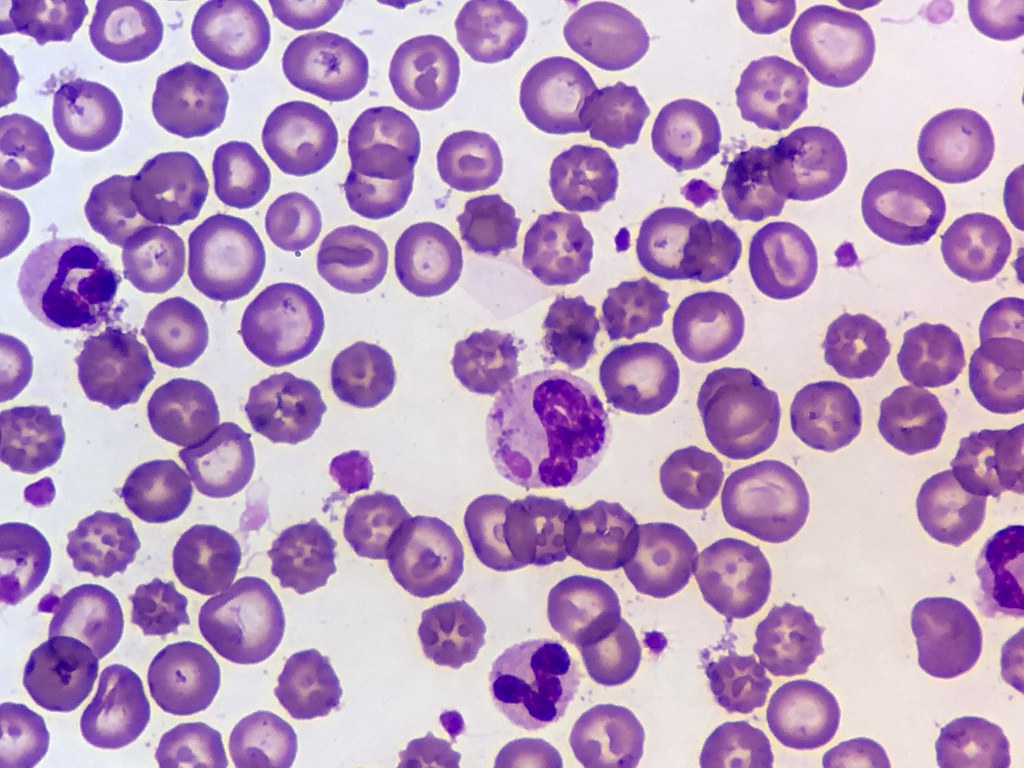
Roughly half of infections may be subclinical or cause only mild respiratory disease. Once systemic dissemination occurs, the classic course includes biphasic fever, respiratory and gastrointestinal signs, and – in a subset of dogs – neurologic disease developing 1–3 weeks after the acute illness, including myoclonus, seizures, vestibular or cerebellar signs, and paresis. Survivors may develop hyperkeratosis of the nasal planum and footpads. Once neurologic signs are established, prognosis worsens substantially.
The Diagnostic Value Proposition
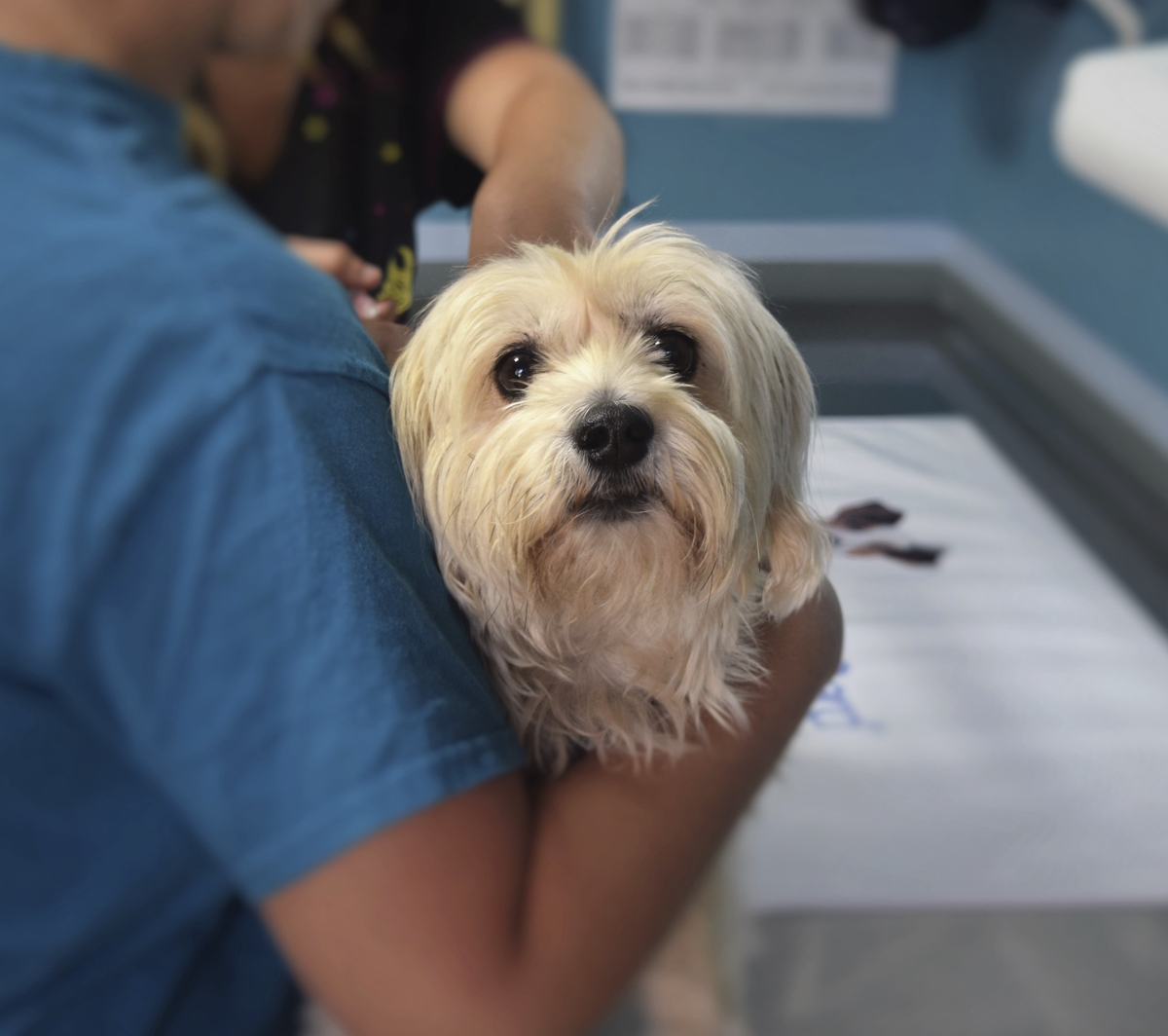
PCR is the diagnostic backbone for CDV, and nasal, oropharyngeal and conjunctival swabs generally show good detection rates during the acute systemic phase – conjunctival swabs in particular have performed strongly against PCR in comparative studies. As with other modified-live core vaccines, transient RNA positivity is possible for a few weeks after CDV vaccination; a positive result in a recently vaccinated puppy should be interpreted alongside clinical signs and vaccination history, with retesting after the interference window (1-3 weeks) if needed.
Overall workflow
1. Prepare the sample in 5 minutes with the SampleDirect cartridge
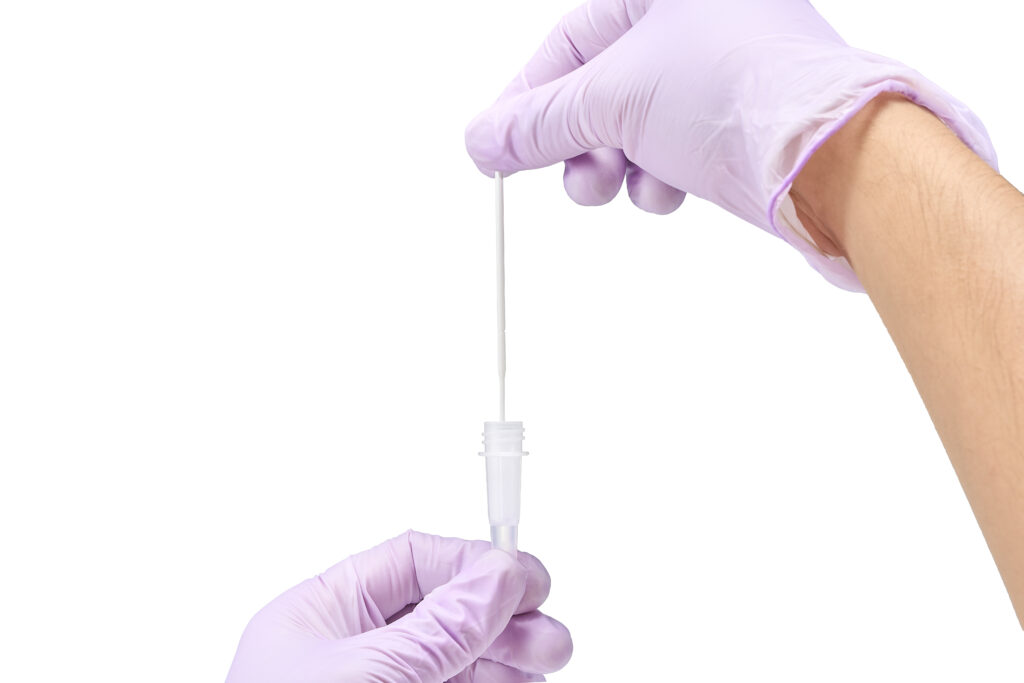
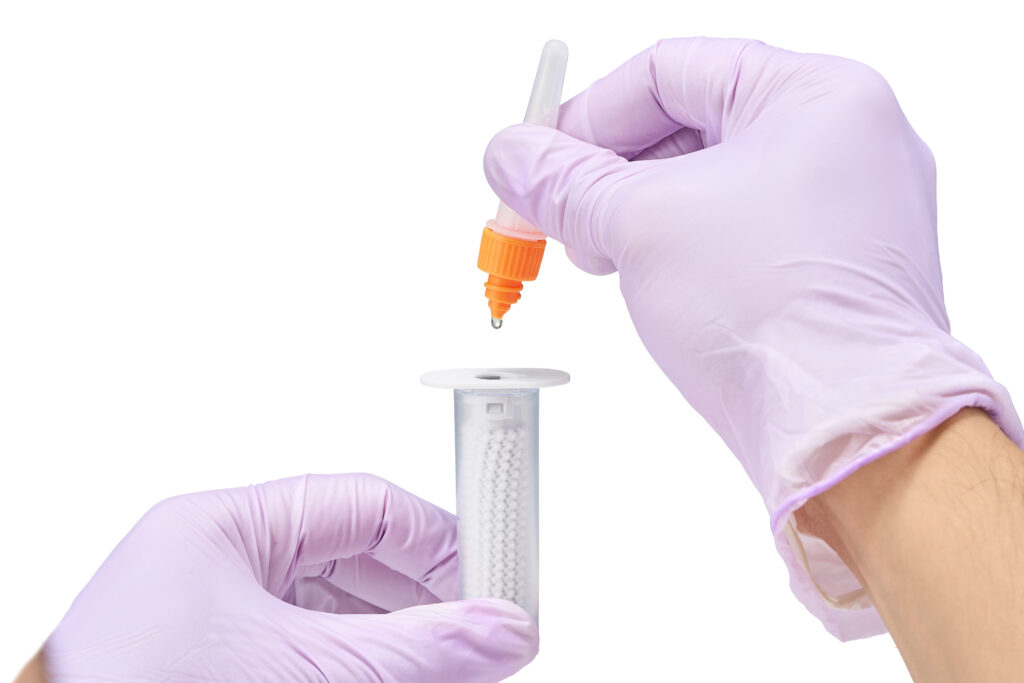
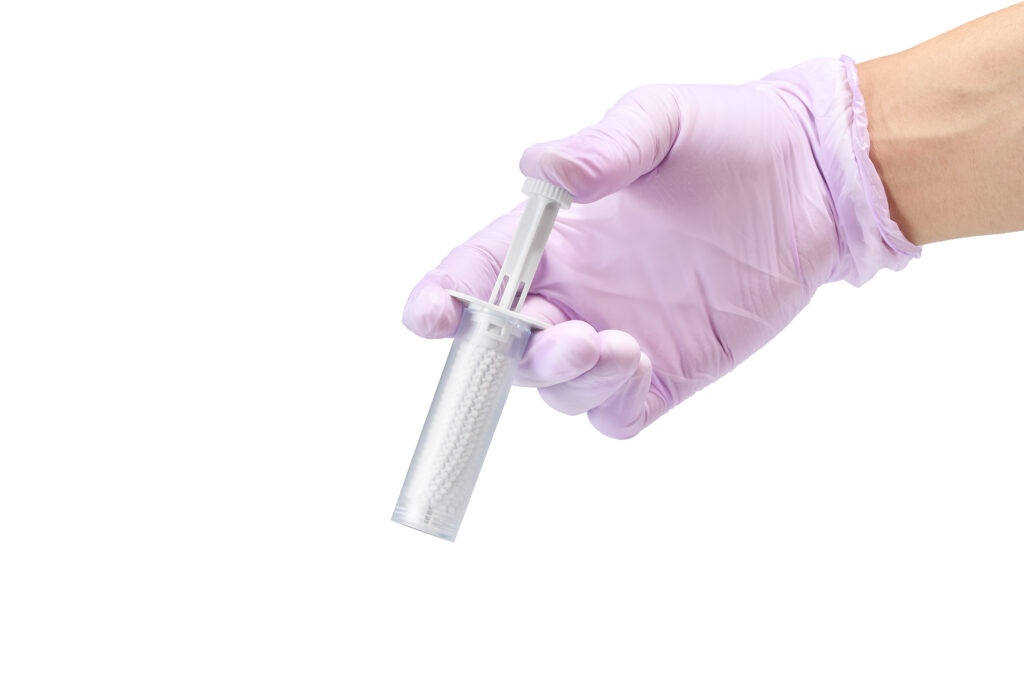
2. Transfer sample into the test cartridge and run it on the FLASH BaseTM
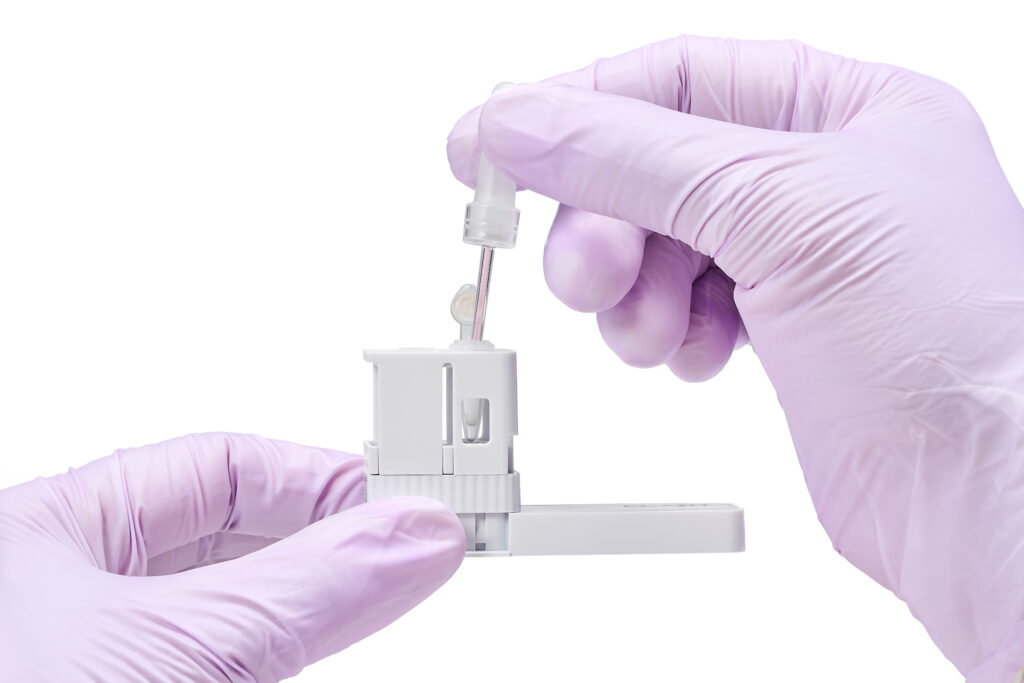
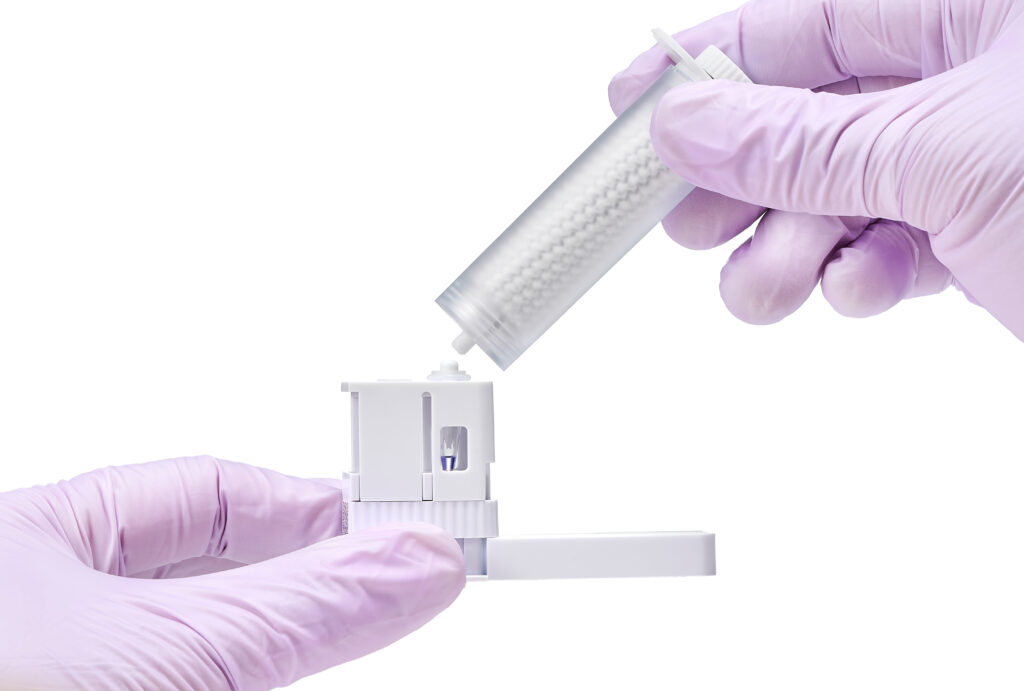
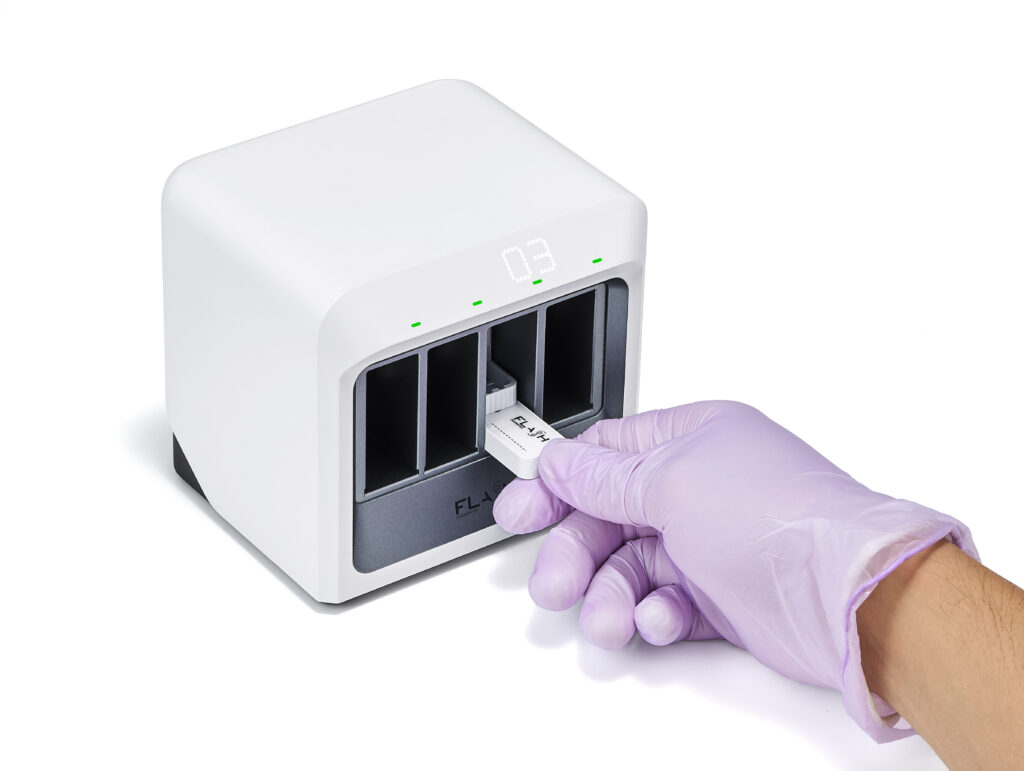
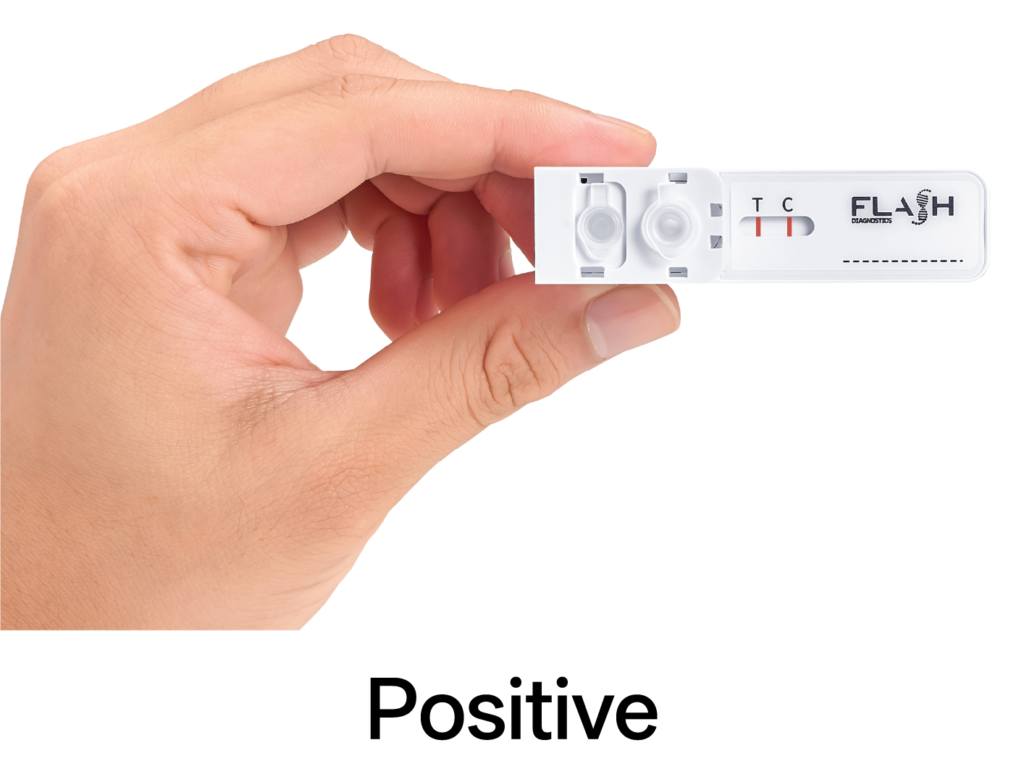
3. Activate the test cartridge and read the results
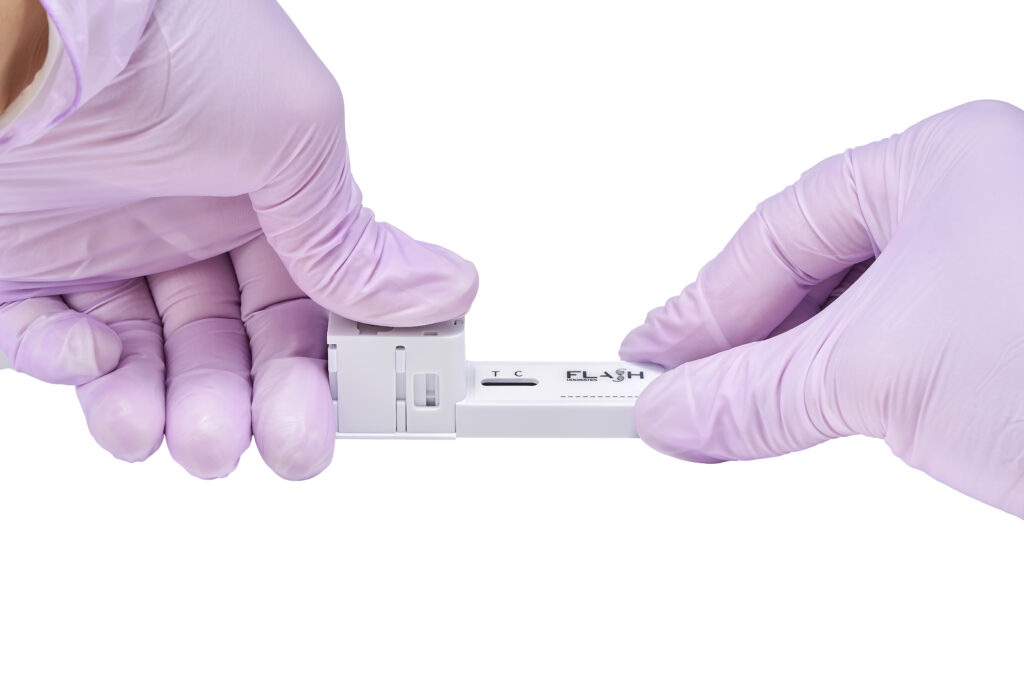
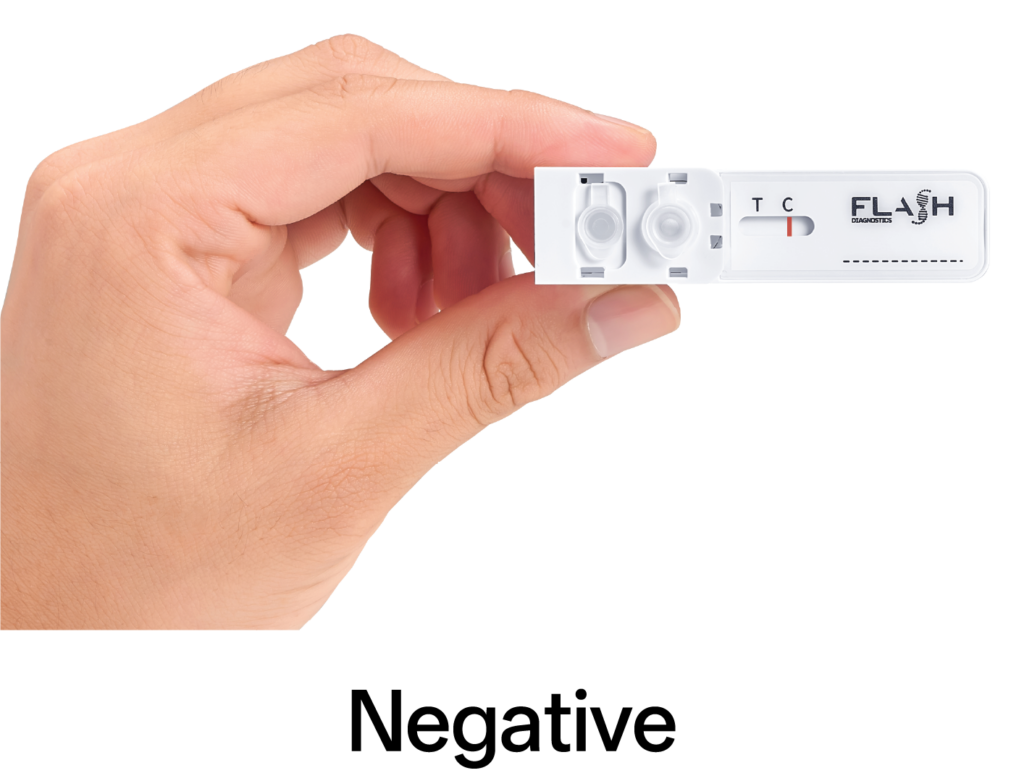
OR
General information
Target: Canine distemper virus
Species: Canine
Sample type: Oropharyngeal, nasal, and conjunctival swab
Result interpretation: Visual – lateral flow strip
Format: Single-use disposable test kit
Reagents: Lyophilized beads for isothermal amplification reaction
Hands-on sample preparation: 5 minutes
Reaction time: 30 minutes
Analytical limit of detection: 2,500 copies per reaction
Shelf life and storage: 12 months at room temperature