

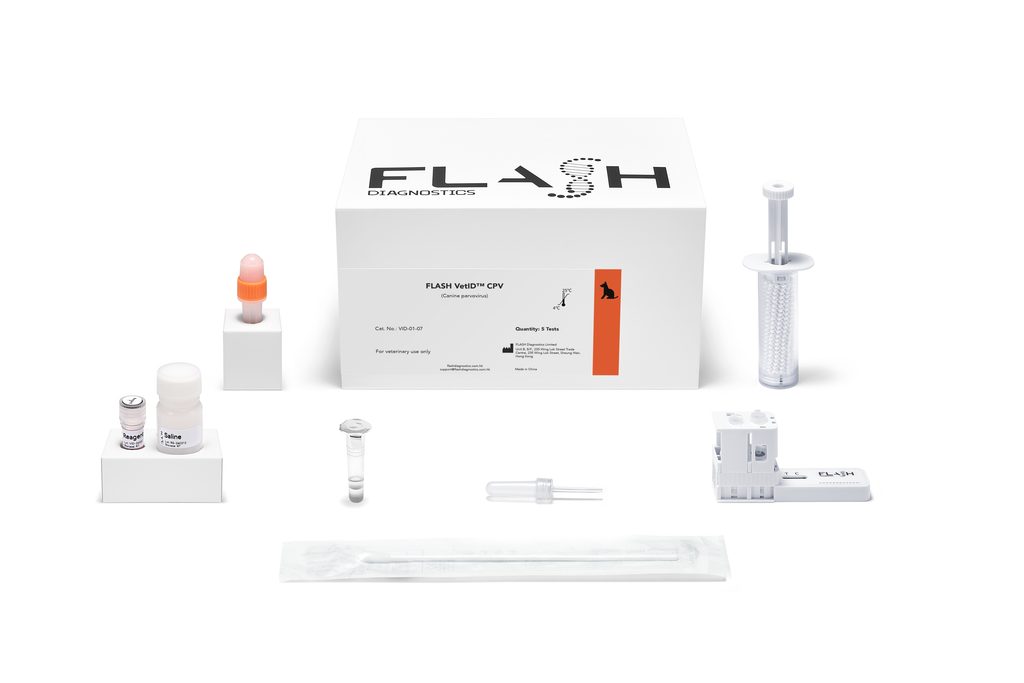
FLASH VetIDTM CPV
Fast test for the qualitative detection of DNA of Canine parvovirus (CPV) in fecal or rectal swabs of the dog.
- Sample: rectal and/or fecal swab
- Nucleic acid testing is more sensitive than fecal antigen tests
35
minutes
Total assay time
Detect
viral DNA
Test
Room
temperature
Storage
12
months
Shelf life
Clinical suspicion:
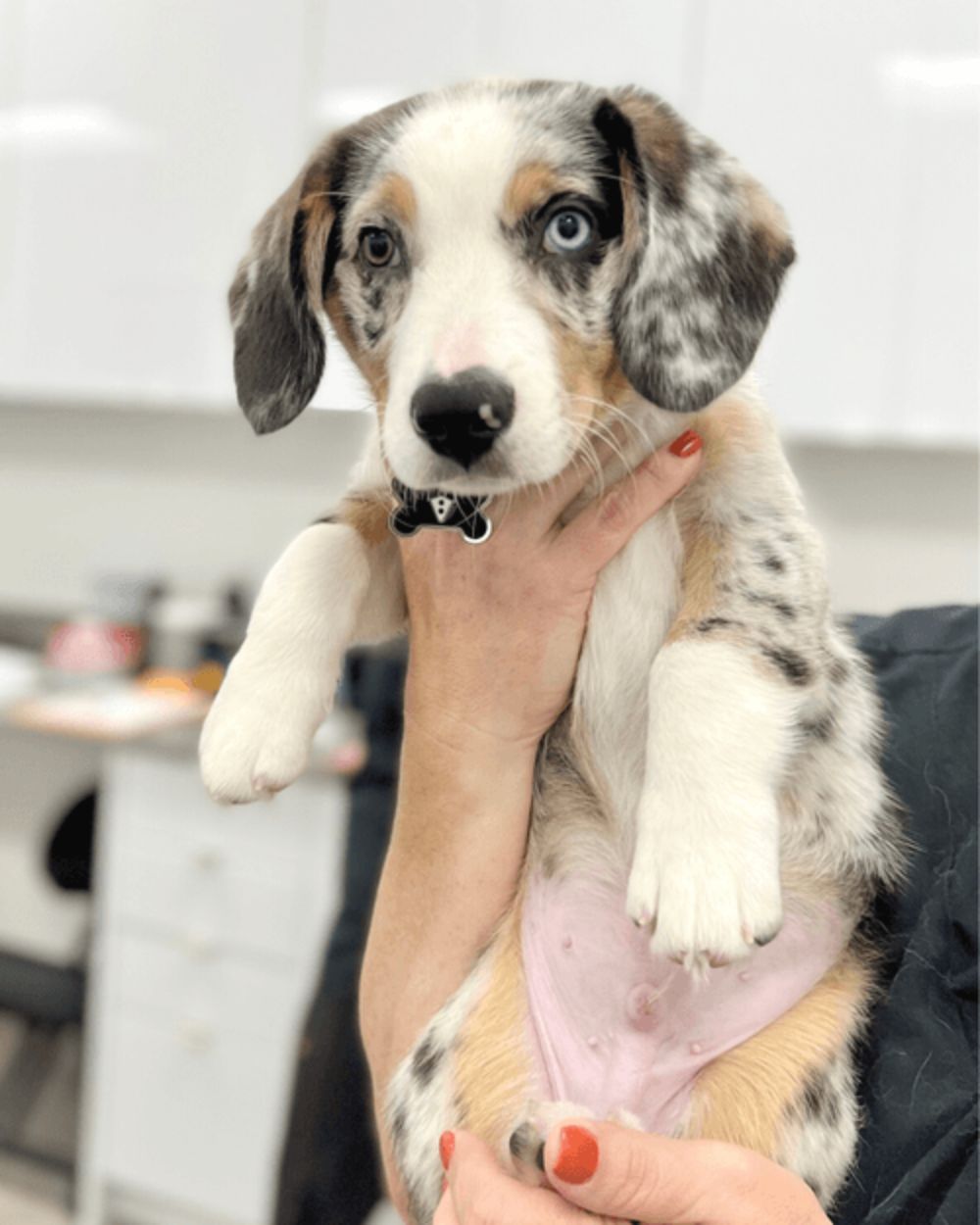
- Lethargy or depression, anorexia, and vomiting in a puppy or incompletely vaccinated dog
- Diarrhoea that is frequently haemorrhagic
- Unvaccinated, under-vaccinated, or shelter-origin dogs aged roughly 6–20 weeks
- Breeds with reported increased risk, including Rottweilers, American Pit Bull Terriers, Doberman Pinschers, and German Shepherd Dogs
- Recent exposure via shelter, transport, boarding, or contact with an affected litter
Screening / prevention programs:
- Shelter intake screening and outbreak investigation before mixing dogs
- Post-transport or post-boarding screening of puppies moved between facilities
- Screening of litters and in-contact dogs following a confirmed case
- Monitoring of exposed but asymptomatic dogs in high- density or high-turnover settings
Pathogen and transmission
Canine parvovirus type 2 (CPV-2) is a small, non-enveloped, single-stranded DNA virus transmitted via the fecal-oral route through direct contact and contaminated environments or fomites. Infected dogs shed virus in feces from roughly 4–5 days after exposure, often before signs appear. The virus is notably resistant in the environment, remaining infectious for months on contaminated surfaces – a major reason it persists in shelters, transport systems, and multi-dog households.

Species-Specific Manifestations
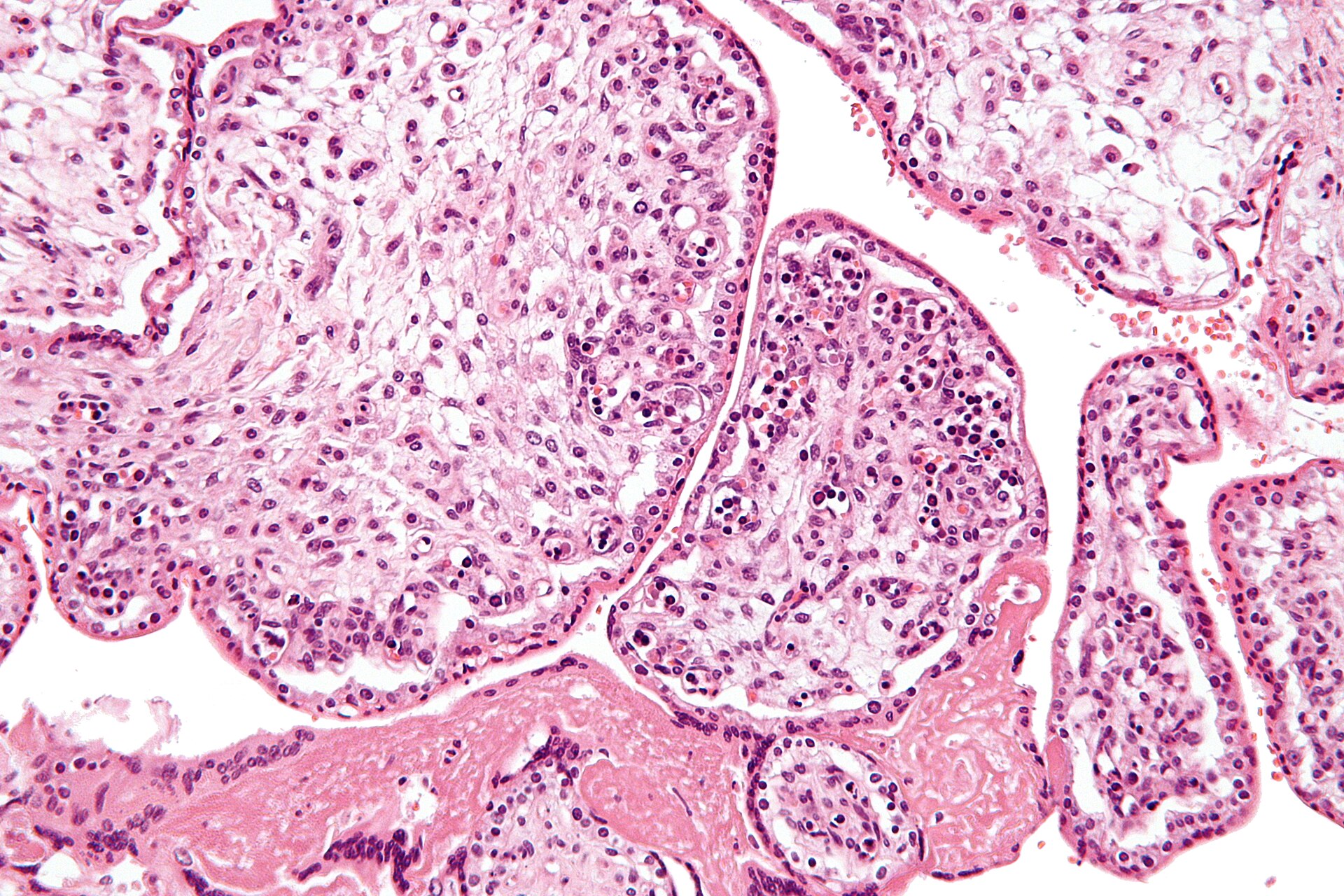
CPV preferentially infects rapidly dividing cells, producing intestinal crypt epithelial injury alongside bone marrow suppression, creating a high risk of secondary bacterial translocation and sepsis. Typical signs are lethargy, anorexia, vomiting, and often haemorrhagic diarrhoea. Recognised complications include intussusception, aspiration pneumonia, and oesophageal stricture. Outcomes vary widely by care setting, with published survival under intensive treatment ranging from roughly 75% to over 85%.
The Diagnostic Value Proposition
Classic fecal antigen rapid tests have high specificity but limited sensitivity relative to PCR, so a negative antigen result is frequently unreliable. Nucleic acid detection targets the viral genome of CPV-2 variants a, b and c; and closes much of this gap. Fecal shedding of the modified-live vaccine strain can transiently cause positive results for a 1 14 days after vaccination, with rare cases reported up to 28 days, so recent vaccination history should be considered when interpreting a positive result in a recently vaccinated puppy.
Overall workflow
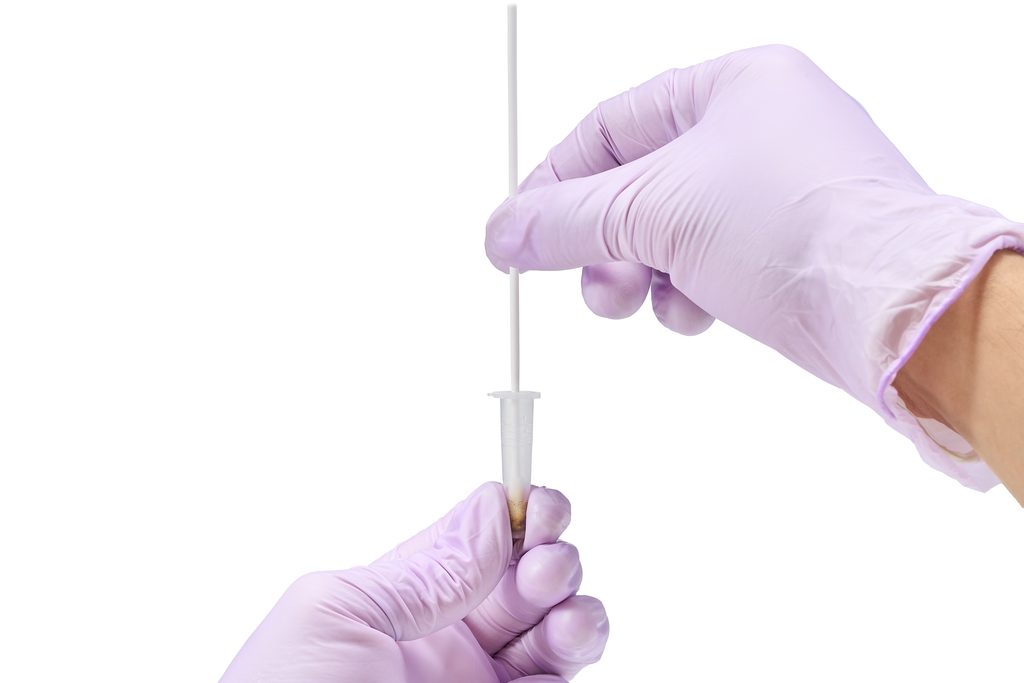
1. Prepare the sample in 5 minutes with the SampleDirect cartridge
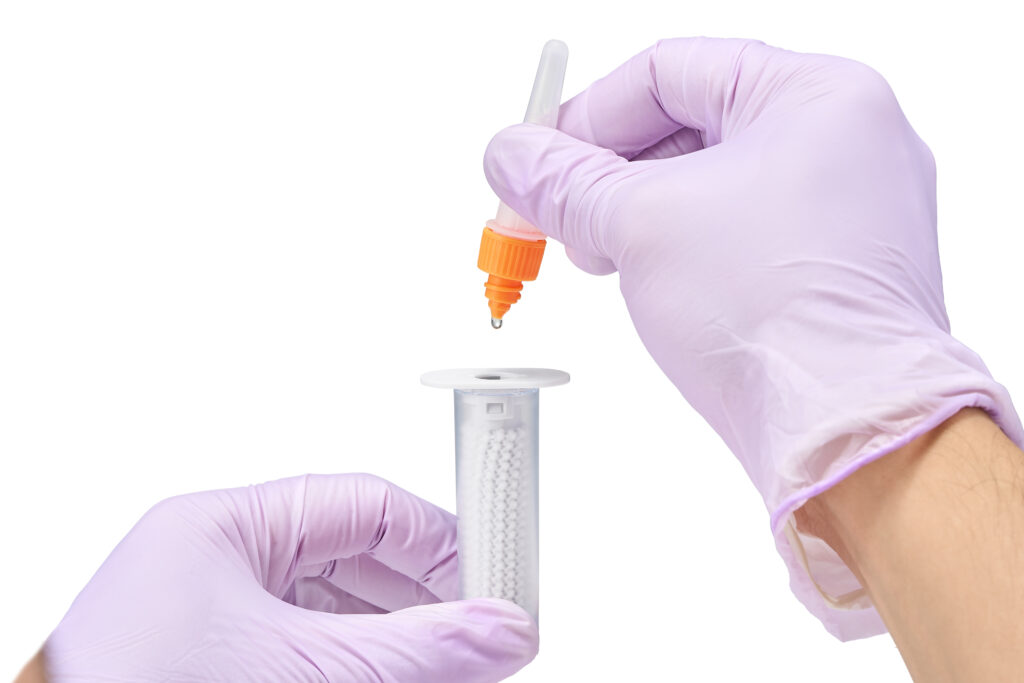
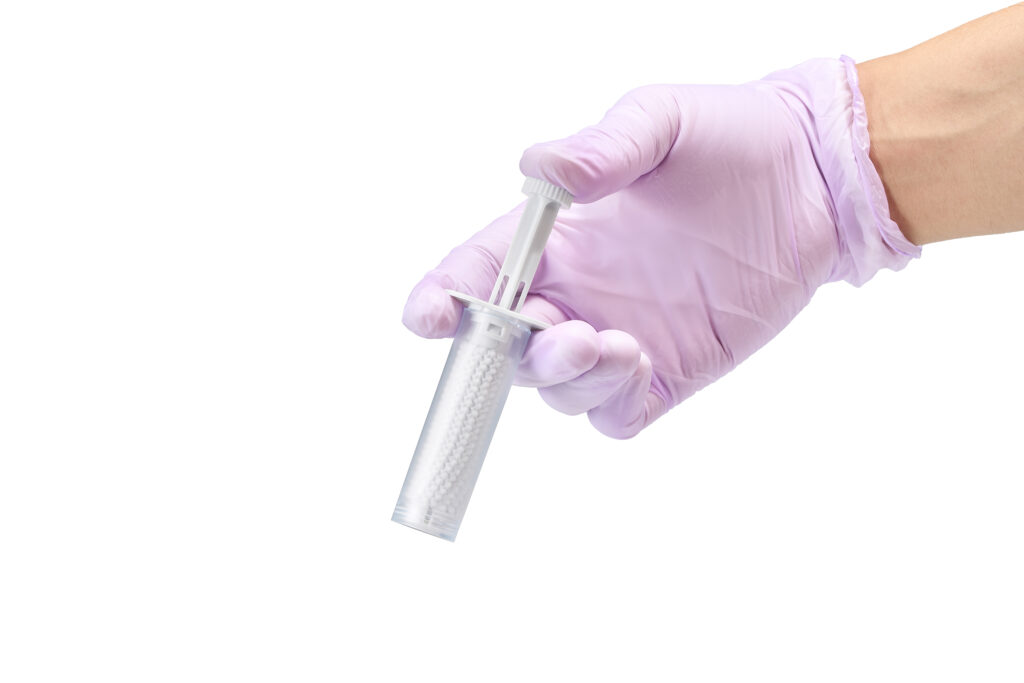
2. Transfer sample into the test cartridge and run it on the FLASH BaseTM
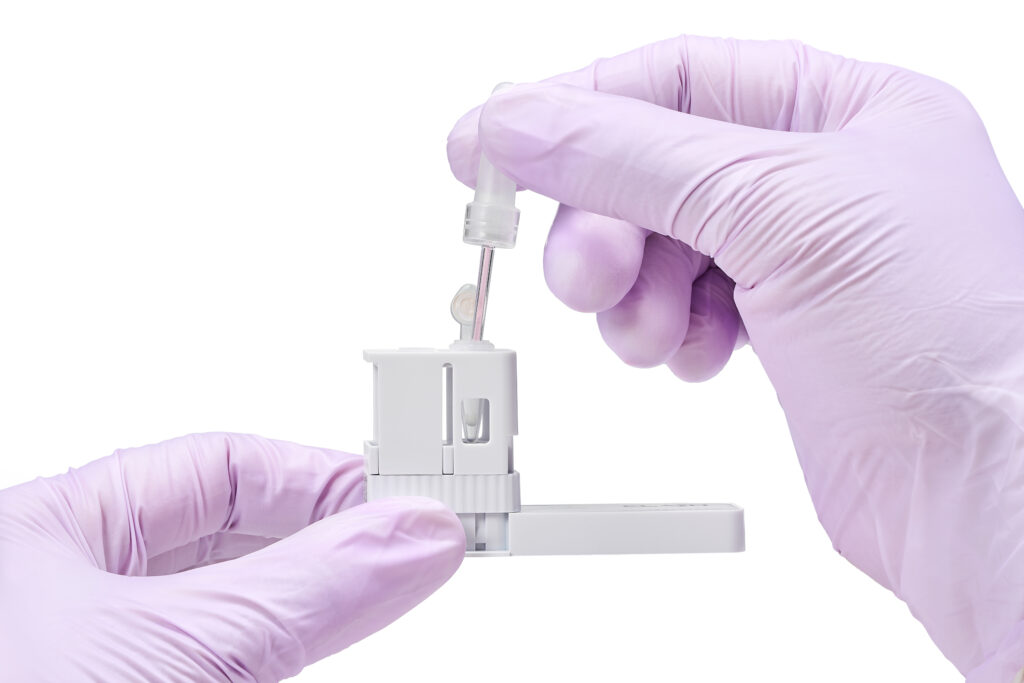
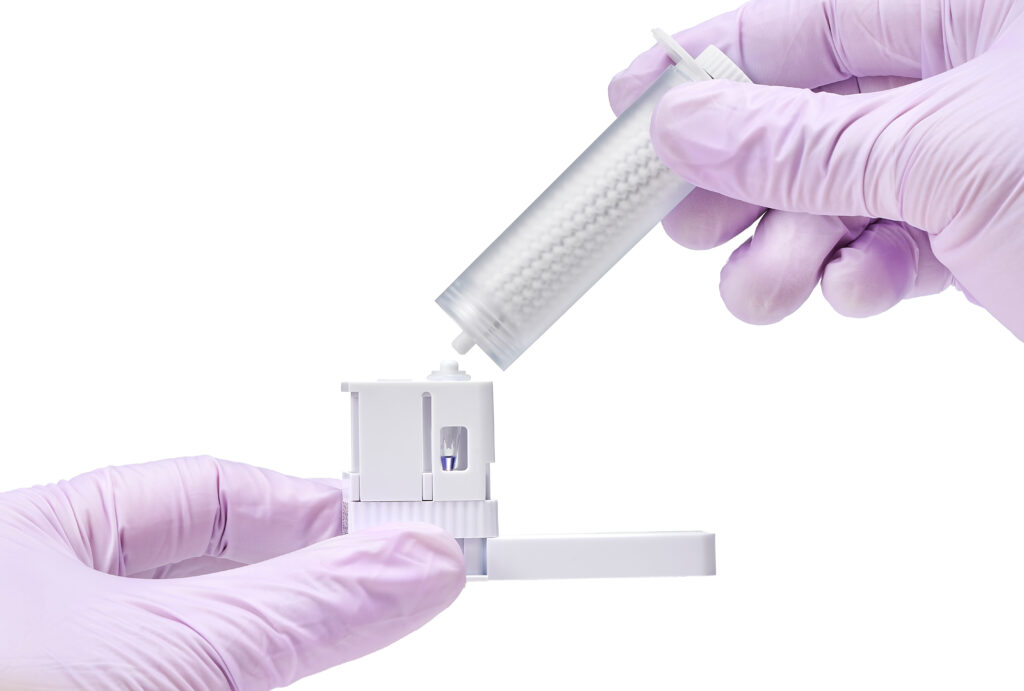
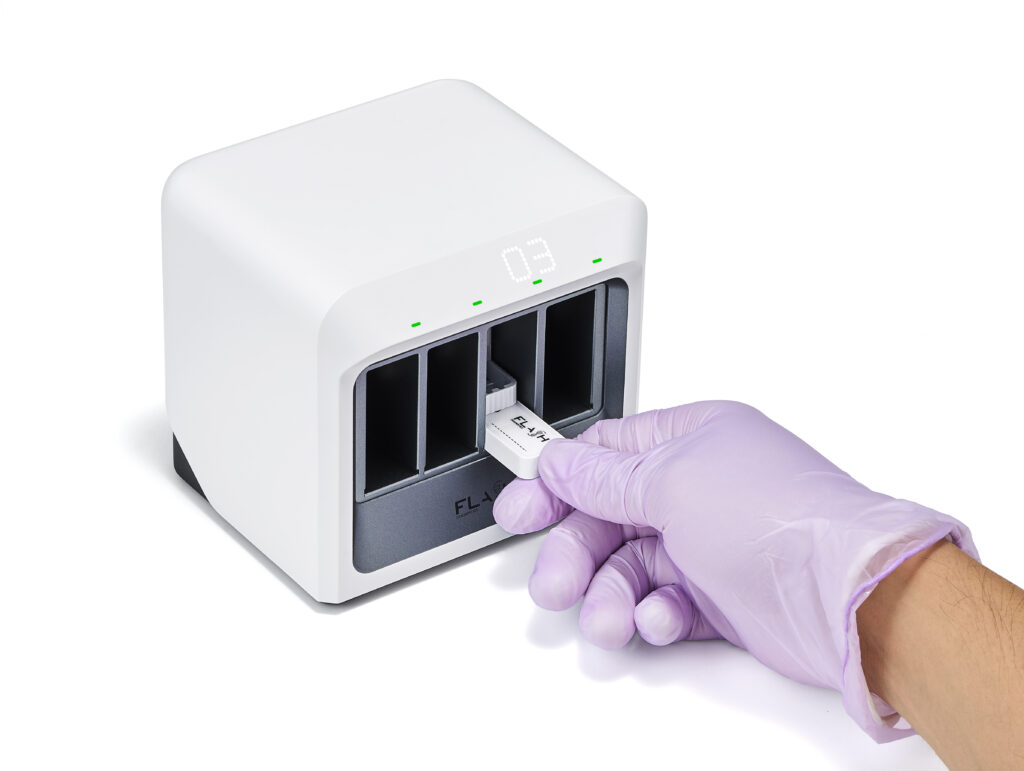
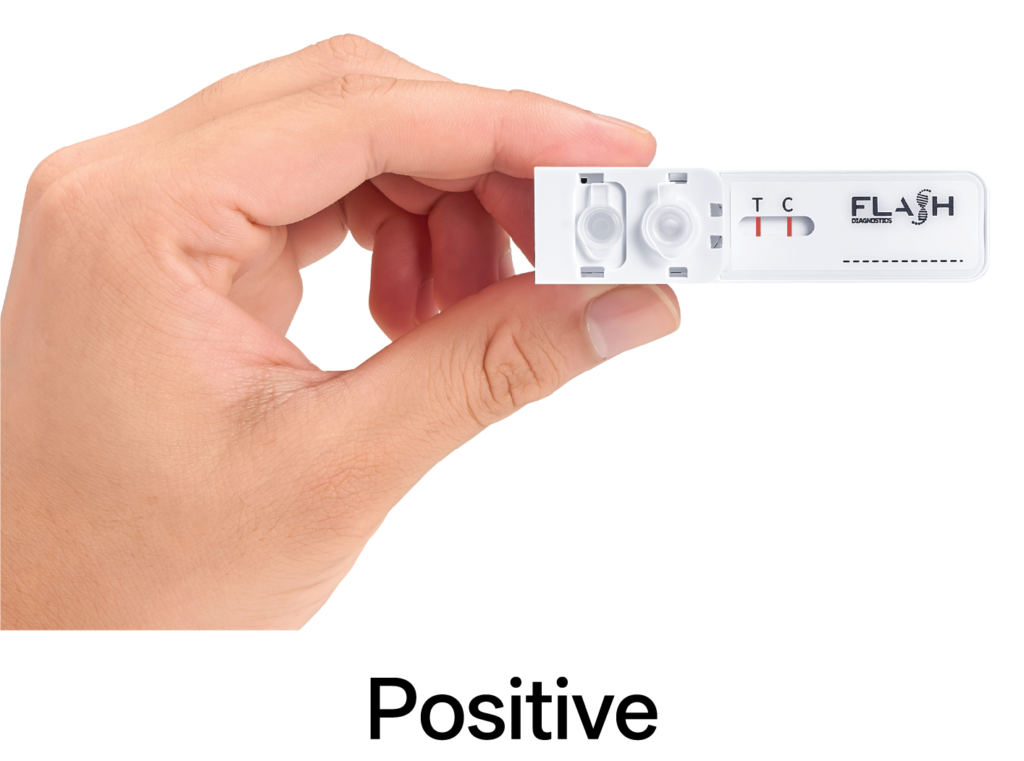
3. Activate the test cartridge and read the results
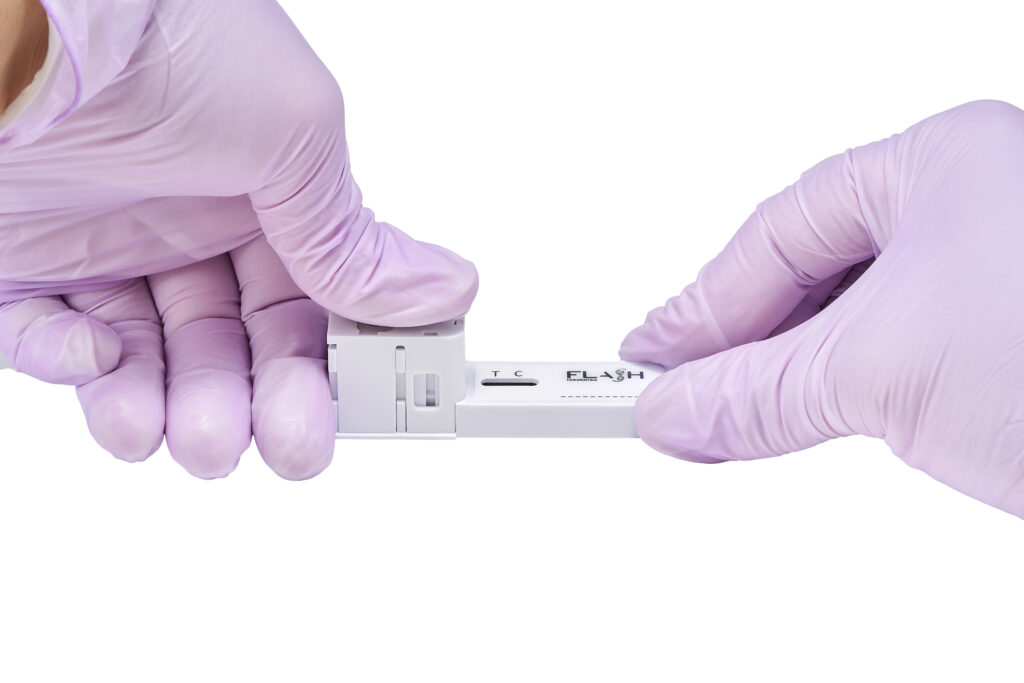
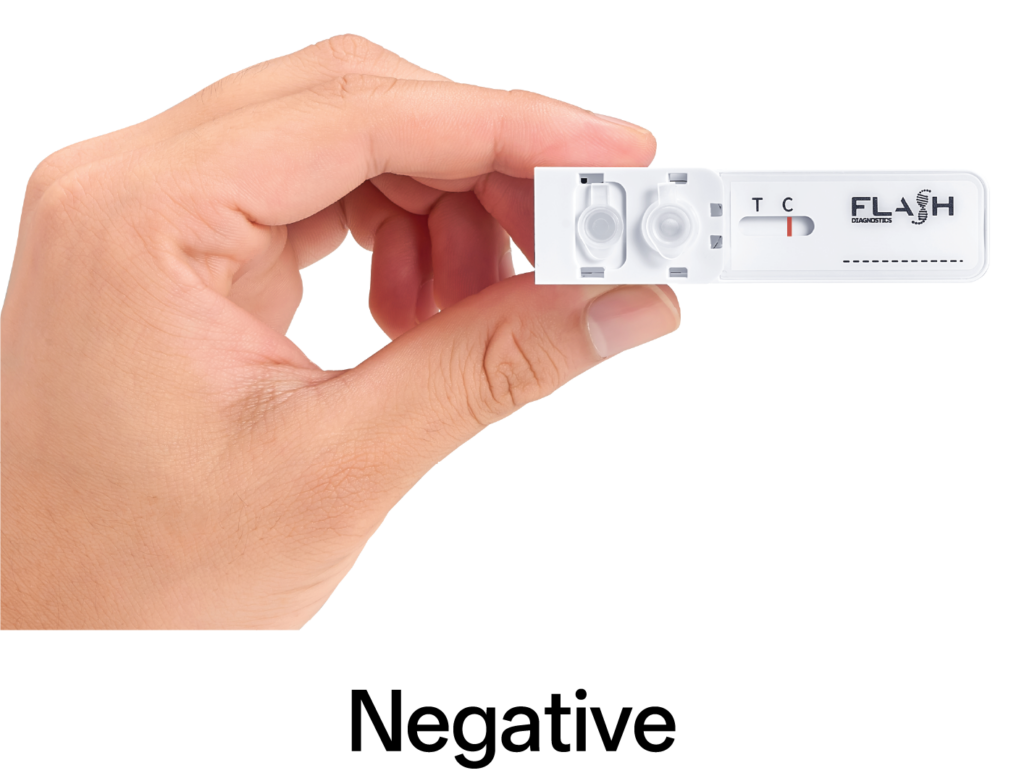
OR
General information
Target: Canine parvovirus
Species: Canine
Sample type: Fecal or rectal swab
Result interpretation: Visual – lateral flow strip
Format: Single-use disposable test kit
Reagents: Lyophilized beads for isothermal amplification reaction
Hands-on sample preparation: 6 minutes
Reaction time: 30 minutes
Analytical limit of detection: 5,000 copies per reaction
Shelf life and storage: 12 months at room temperature