

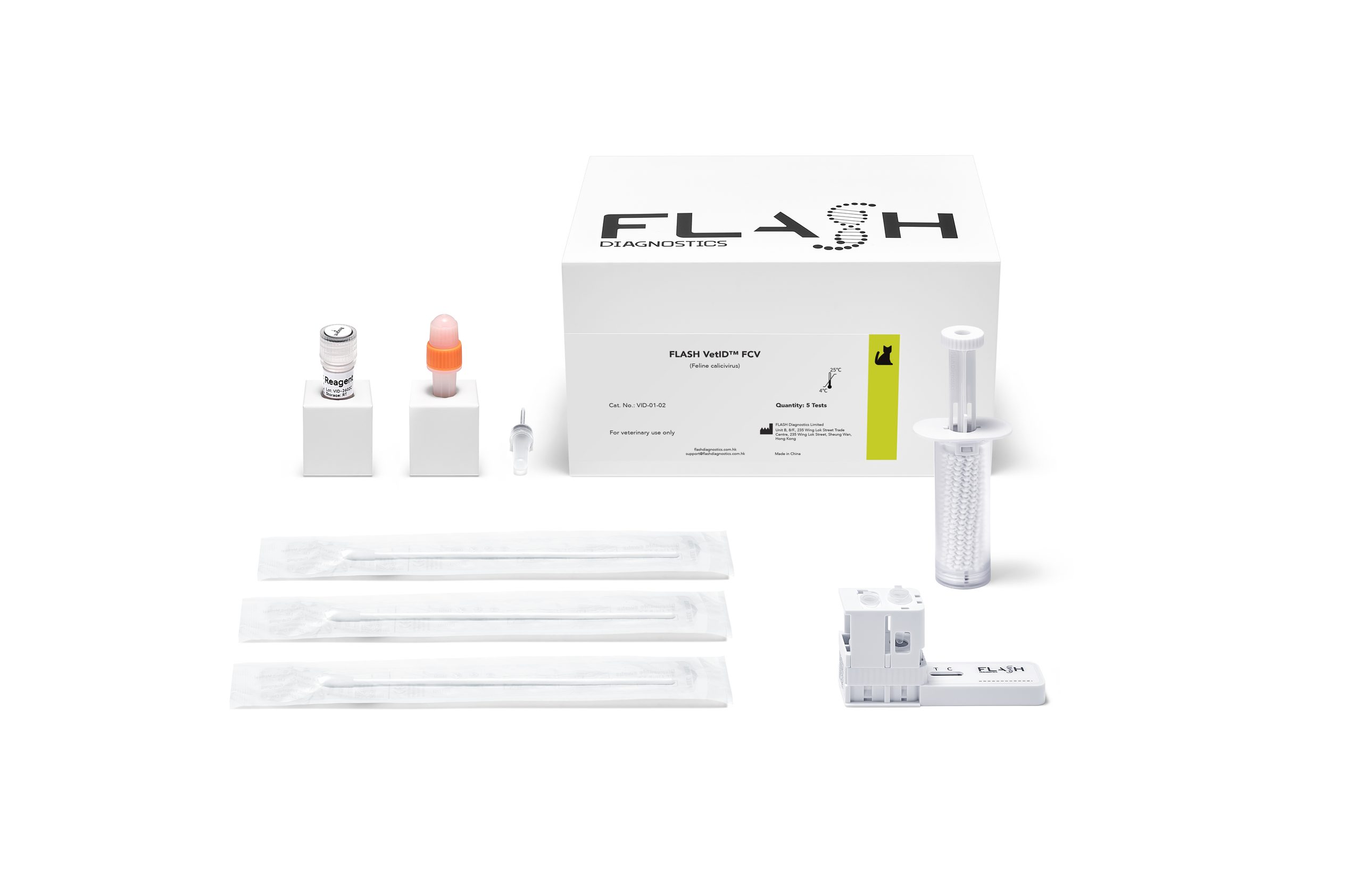
FLASH VetIDTM FCV
Fast test for the qualitative detection of RNA of Feline calicivirus in conjunctival, nasal, and oropharyngeal swabs of the cat.
- Confirms active shedding
- Sample: conjunctival and oropharyngeal swabs (essential), add a nasal swab if secretions are present
35
minutes
Total assay time
Detect
viral RNA
Test
Room
temperature
Storage
12
months
Shelf life
Clinical suspicion:
- Oral ulceration of the tongue, hard palate, or nares
- Acute sneezing with serous-to-mucopurulent oculonasal discharge
- Gingivostomatitis and excessive salivation
- Fever, lameness and shifting-leg soreness (“limping kitten syndrome”)
- Rapidly progressive facial/limb oedema, high fever, jaundice (suspected virulent systemic FCV – VS-FCV)
Screening / prevention programs:
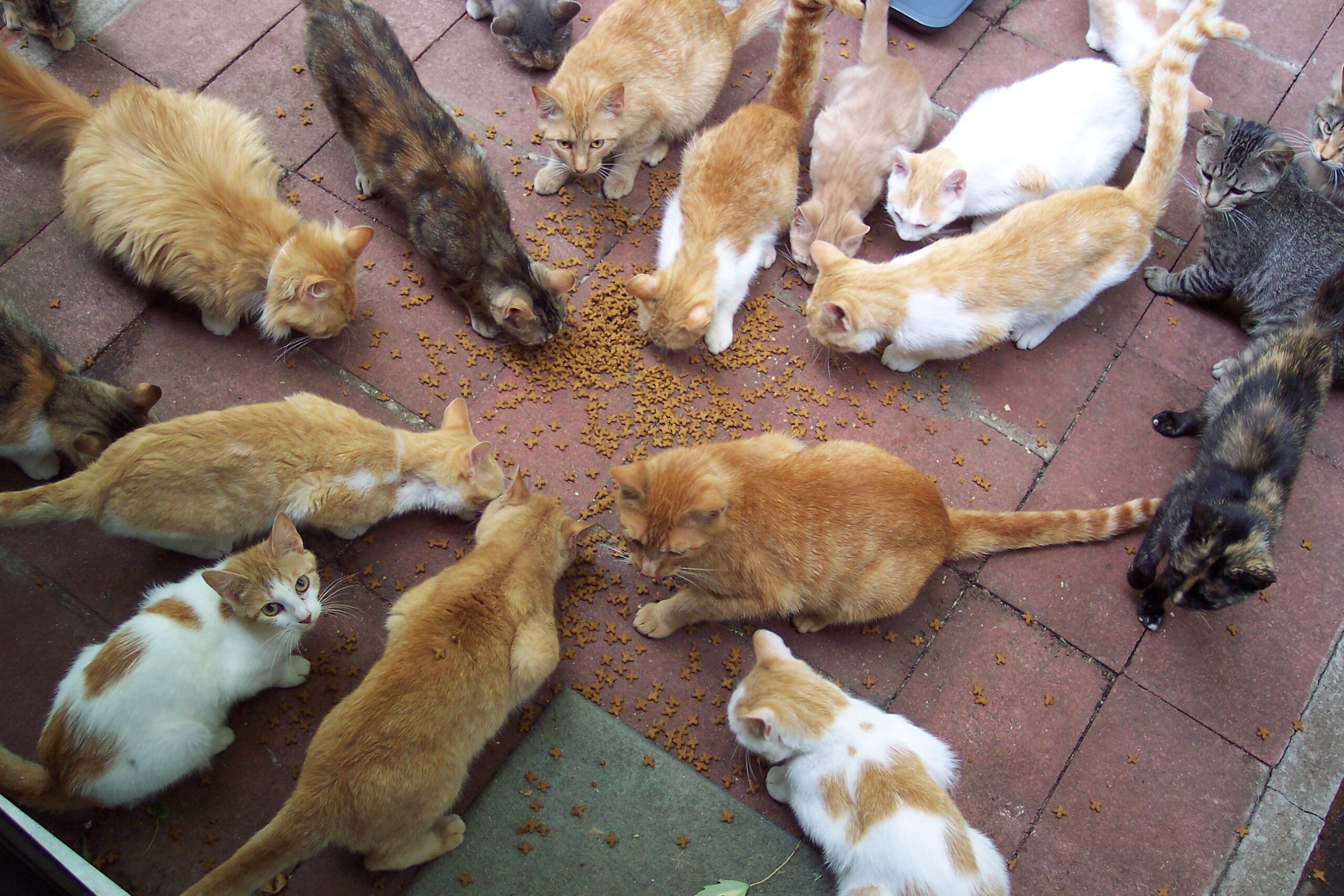
- New arrivals in shelters, catteries ,and multi-cat households before mixing
- Outbreak investigation in group housing at the first sign of oral or respiratory disease
- Pre-breeding and pre-show screening of queens and studs
- Monitoring of chronic carriers implicated in recurring cattery outbreaks
Pathogen and transmission
Feline calicivirus (FCV) is a small, non-enveloped, single-stranded RNA virus of the family Caliciviridae, one of the principal viral agents of feline upper respiratory disease complex (“cat flu”) alongside feline herpesvirus-1. FCV exists as a continuum of antigenically diverse strains rather than fixed serotypes, complicating vaccine cross-protection. The virus is shed in oral, ocular, and nasal secretions and spreads via direct contact, contaminated fomites, and short-range aerosols. Unlike enveloped respiratory viruses, FCV is notably resistant in the environment and can remain infectious on surfaces for extended periods.
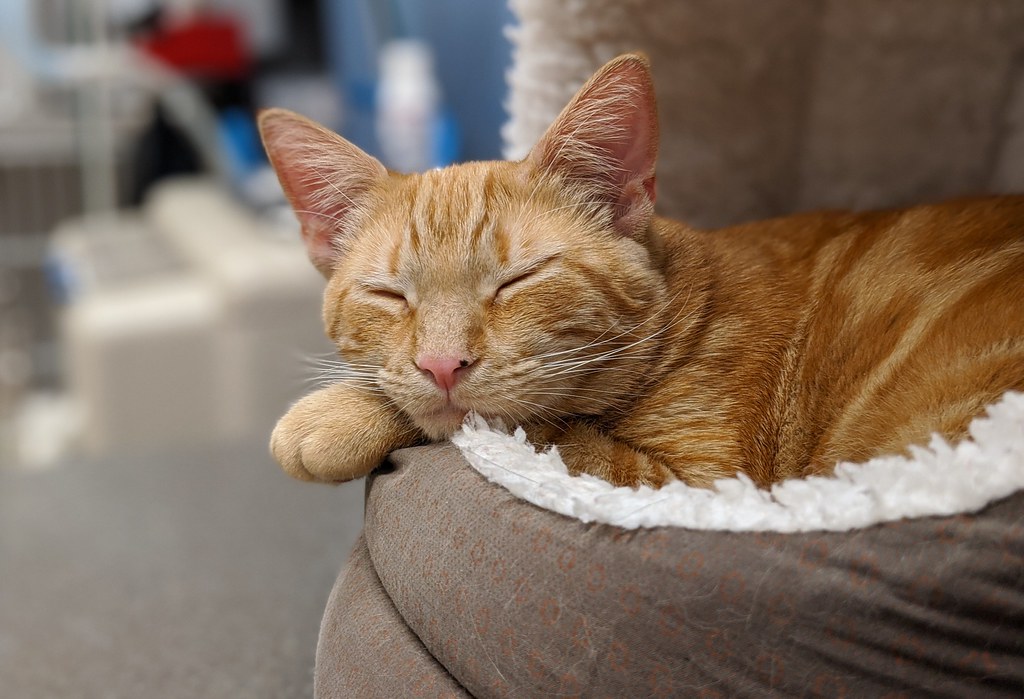
Species-Specific Manifestations
Most infections present as self-limiting oral and upper respiratory disease, but the clinical spectrum is broad: oral ulceration, gingivostomatitis, sneezing, conjunctivitis, and transient shifting-leg polyarthritis in kittens. A minority of strains cause virulent systemic FCV (VS-FCV), an outbreak-associated syndrome with facial/limb oedema, high fever, jaundice, and high mortality even in previously vaccinated adults. Chronic carriers can shed virus continuously or intermittently for months to years, acting as a silent reservoir in group-housed populations.
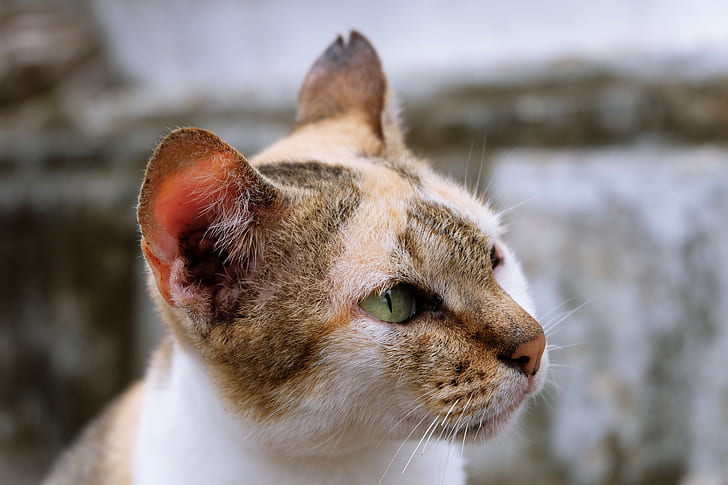
The Diagnostic Value Proposition
Because FCV strains are antigenically heterogeneous, antibody- and antigen-based assays are prone to false negatives against divergent field strains. Nucleic acid detection targets conserved genomic regions and reliably identifies current shedding regardless of strain variation. In outbreak settings, a molecular result in minutes supports isolation decisions at first presentation.
Overall workflow
1. Prepare the sample in 5 minutes with the SampleDirect cartridge
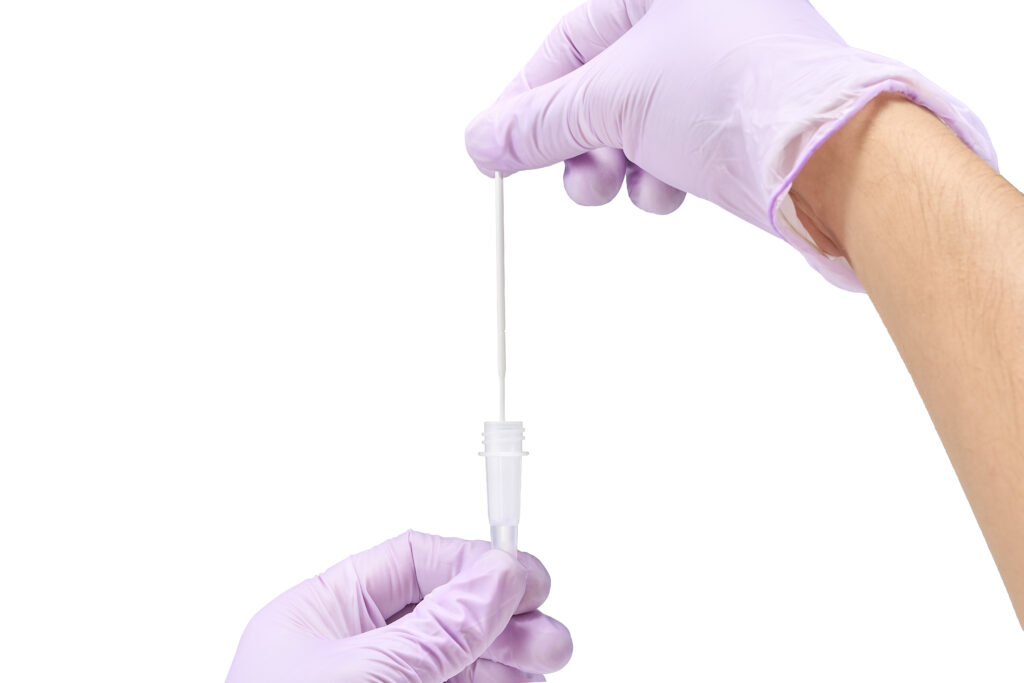
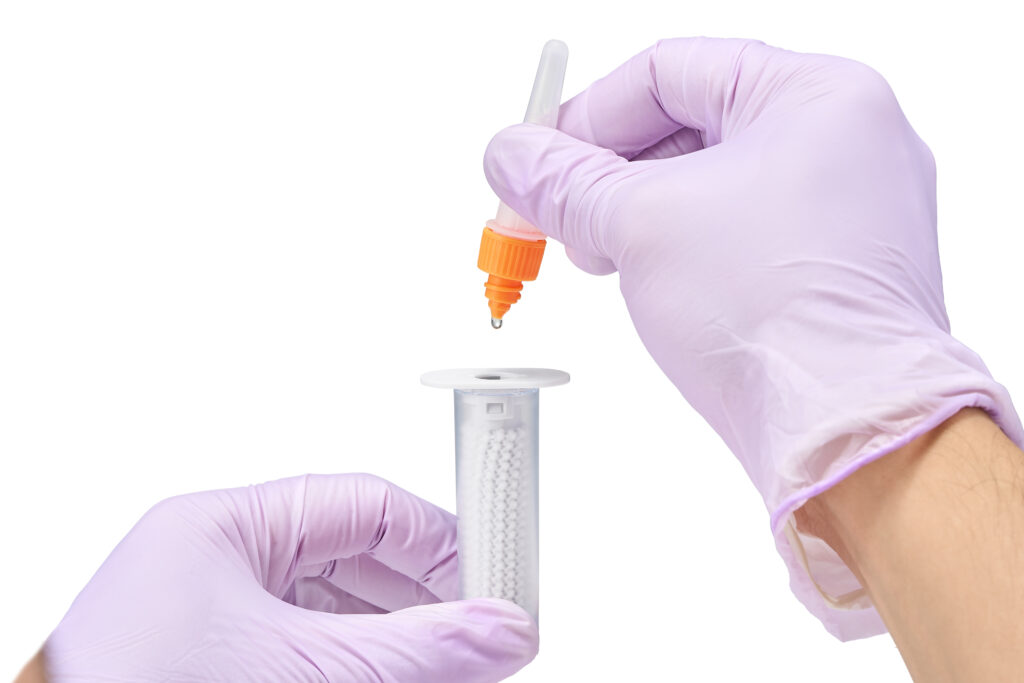
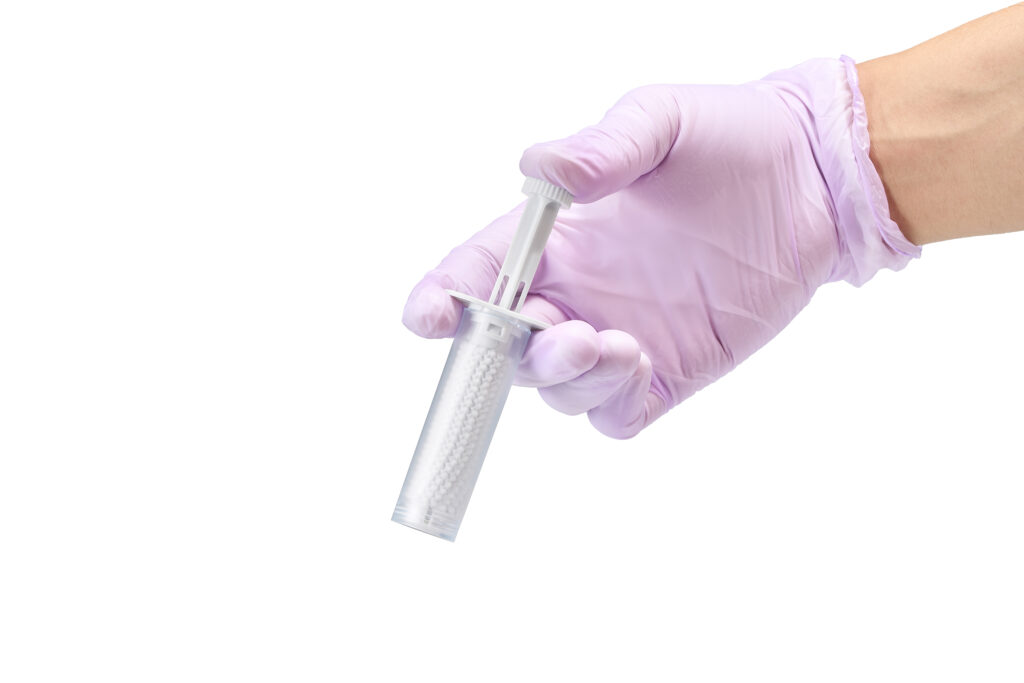
2. Transfer sample into the test cartridge and run it on the FLASH BaseTM
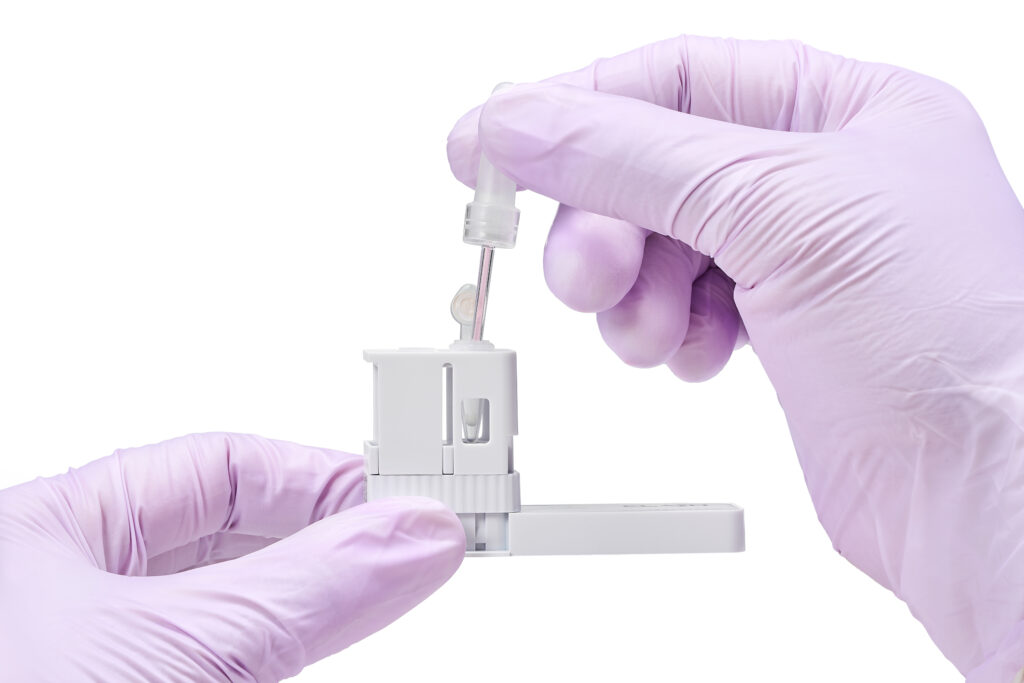
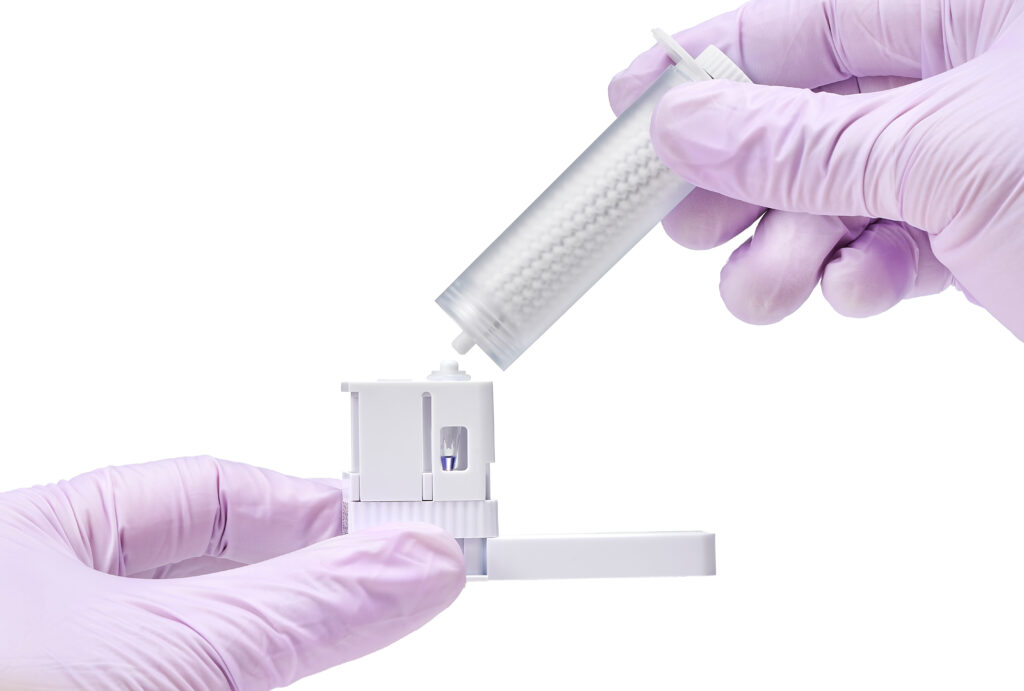
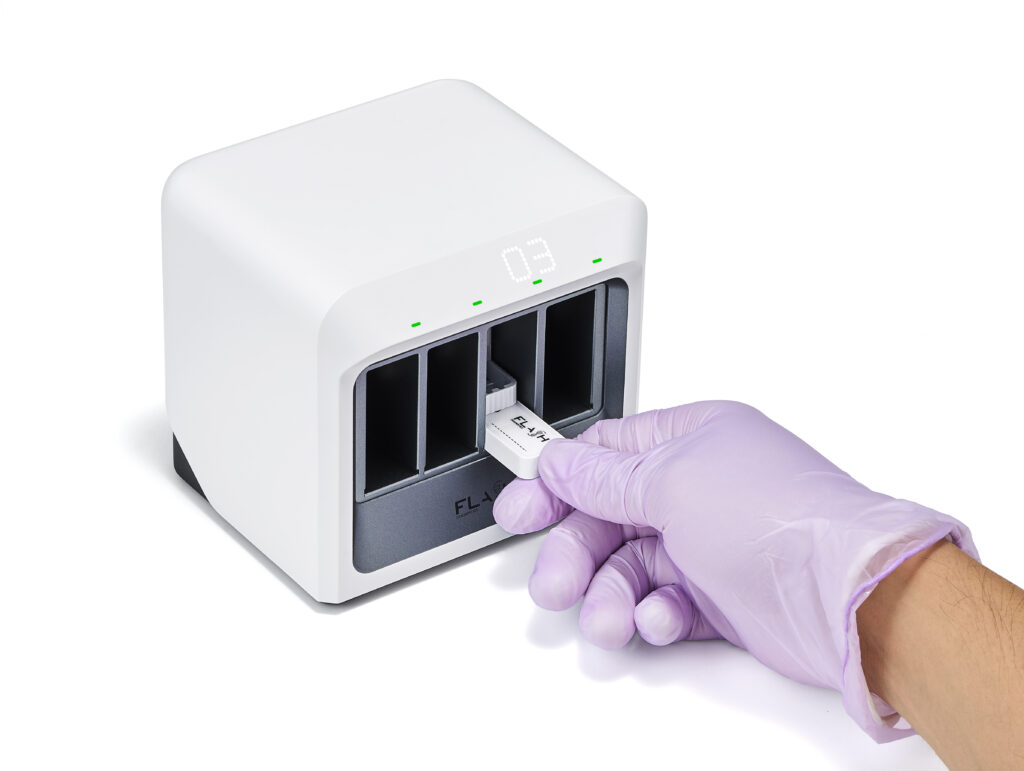
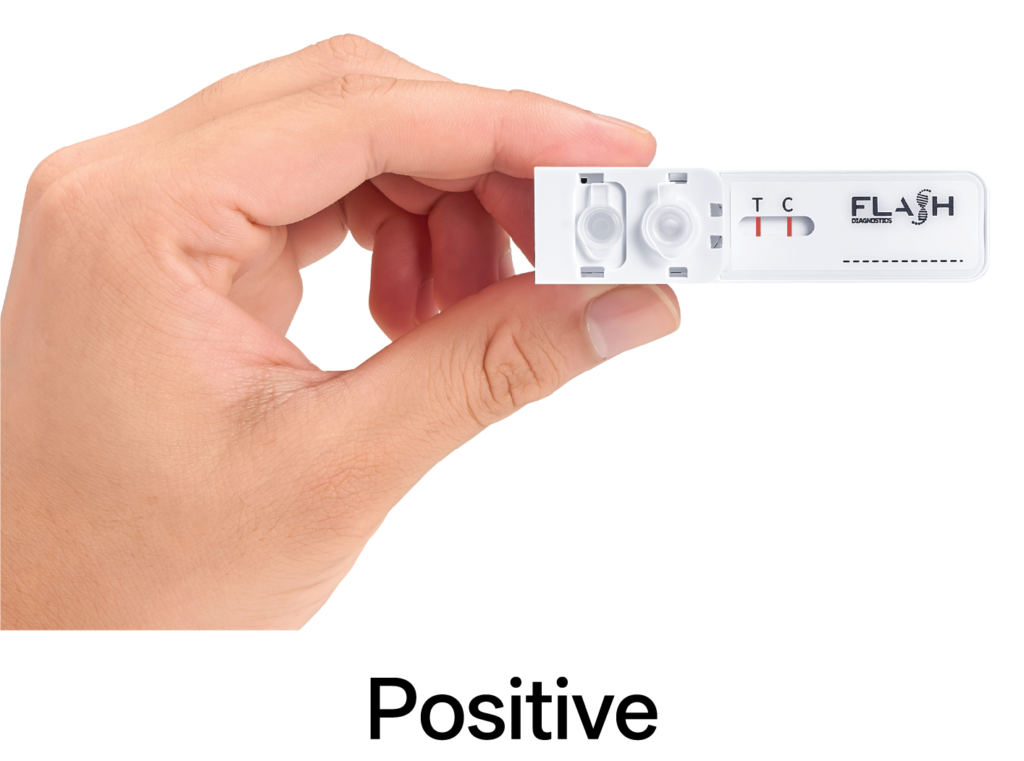
3. Activate the test cartridge and read the results
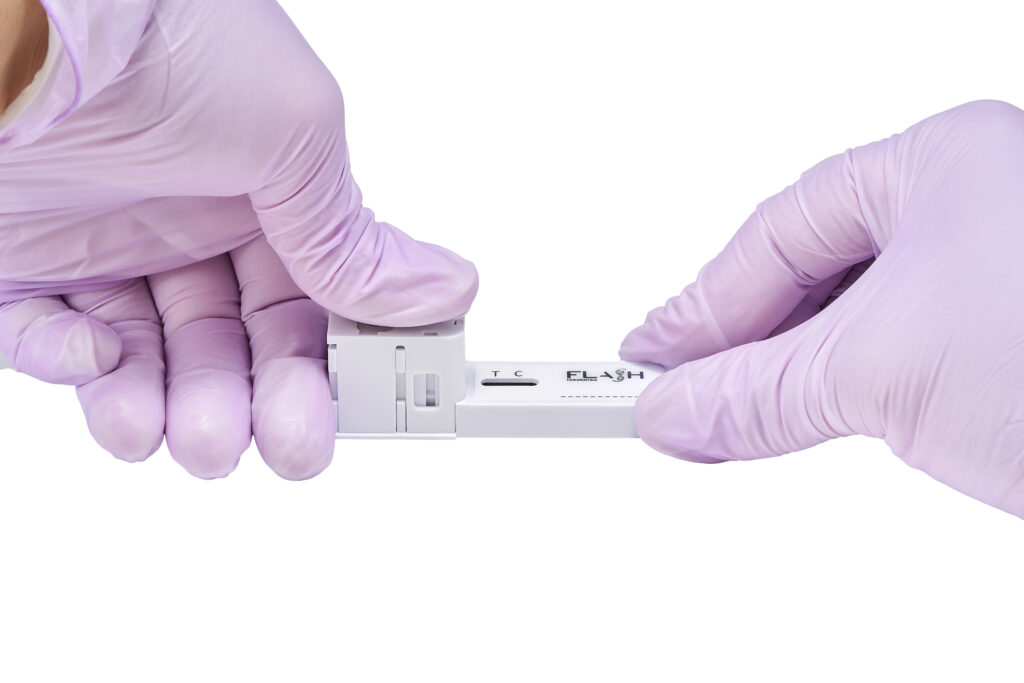
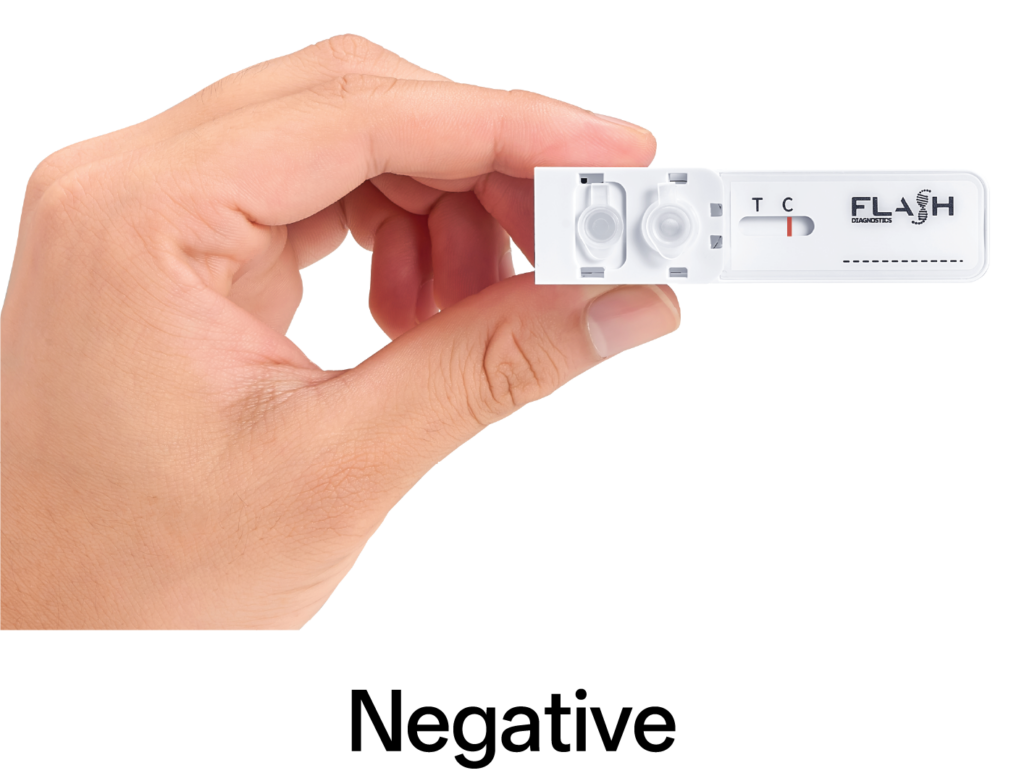
OR
General information
Target: Feline calicivirus
Species: Feline
Sample type: Oropharyngeal, nasal, and conjunctival swab
Result interpretation: Visual – lateral flow strip
Format: Single-use disposable test kit
Reagents: Lyophilized beads for isothermal amplification reaction
Hands-on sample preparation: 5 minutes
Reaction time: 30 minutes
Analytical limit of detection: 10,000 copies per reaction
Shelf life and storage: 12 months at room temperature