

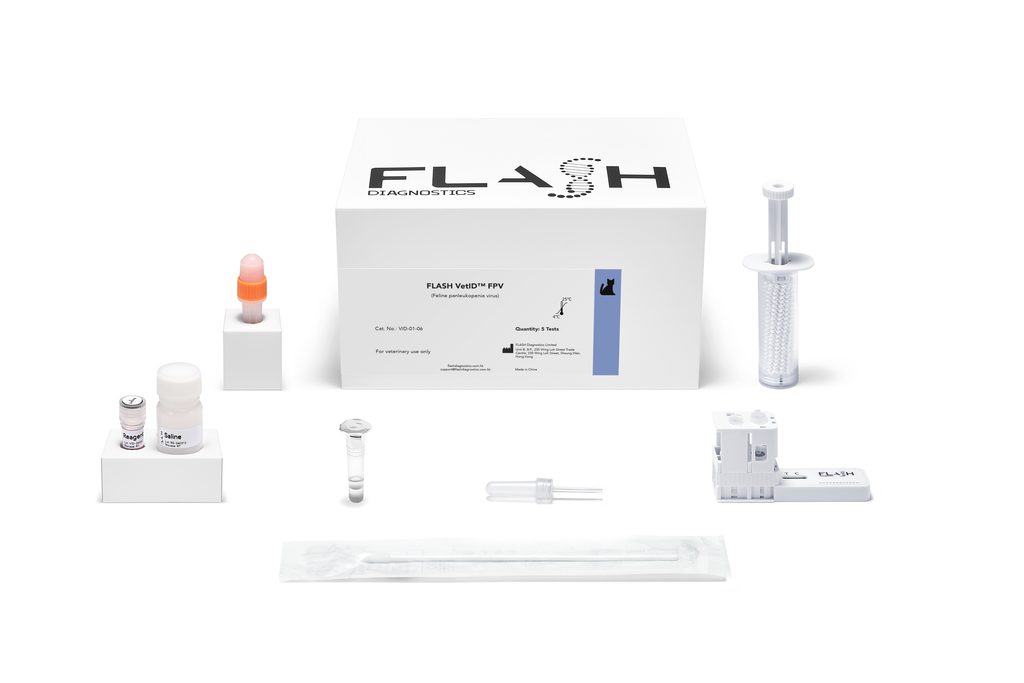
FLASH VetIDTM FPV
Fast test for the qualitative detection of DNA of Feline panleukopenia virus (FPV) in fecal or rectal swabs of the cat.
- Detects viral DNA – more sensitive than fecal antigen tests
- Sensitivity 95.24% & specificity 100.00% (n=37)
35
minutes
Total assay time
Rectal
or fecal swab
Sample
Room
temperature
Storage
12
months
Shelf life
Clinical suspicion:
- Depression, anorexia, pyrexia, vomiting, and diarrhoea with rapid dehydration
- Sudden death in an otherwise apparently healthy kitten
- Kittens under 6 months of age, especially in shelters or multi-cat households
- Ataxia or other cerebellar signs in a kitten (suggestive of in utero or perinatal infection)
- History of abortion, stillbirth, or fading kittens in a queen from an affected environment
Screening / prevention programs:
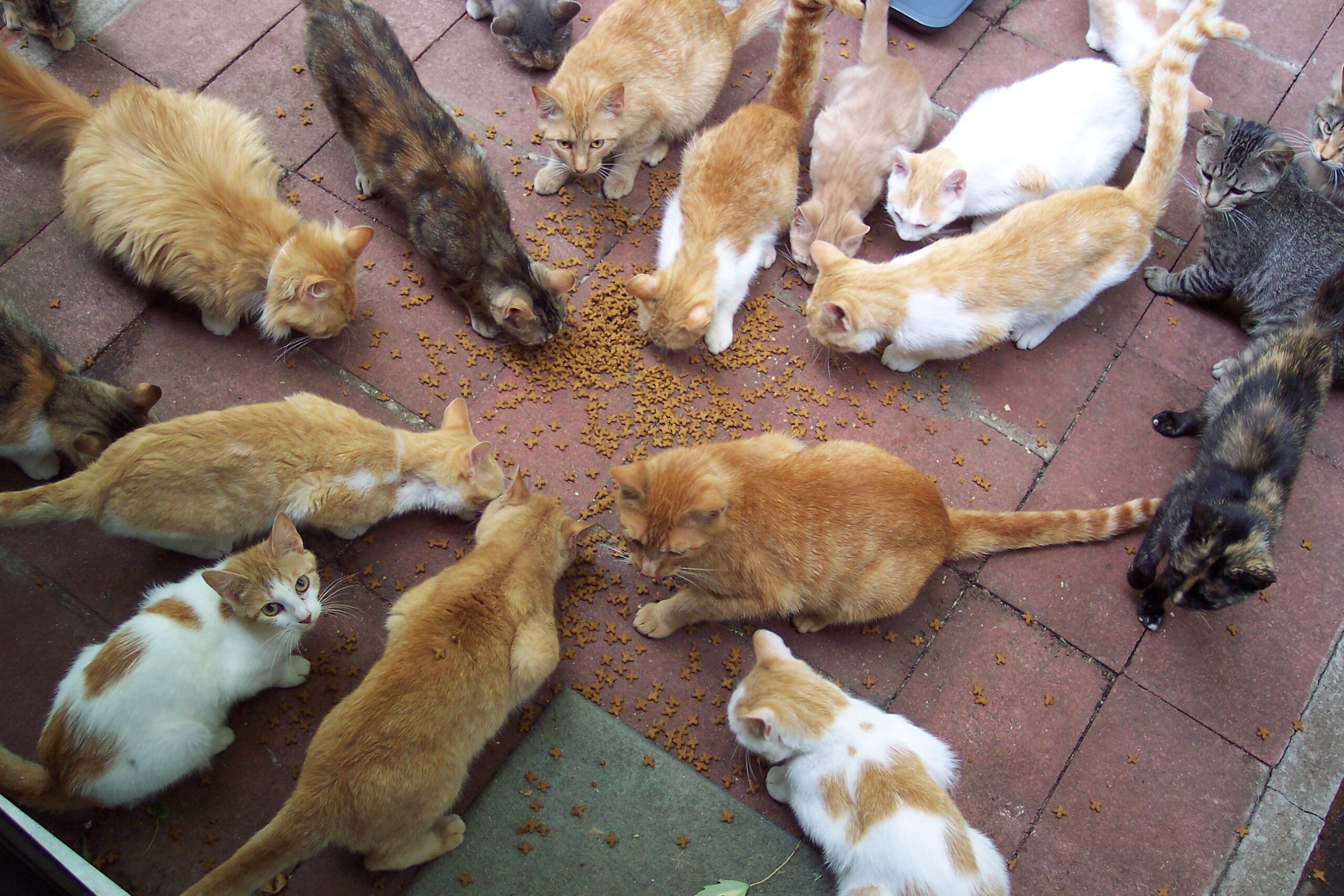
- Shelter and multi-cat household screening before introducing new arrivals
- Pre-breeding screening of queens, particularly after any suspected exposure
- Screening of litters and in-contact cats following a confirmed case
- Monitoring of exposed but asymptomatic cats before mixing with the wider colony
Pathogen and transmission
Feline panleukopenia virus (FPV) is a small, non-enveloped, single-stranded DNA virus closely related to canine parvovirus (CPV-2). Transmission is fecal-oral, via direct contact, contaminated environments, and fomites; and the virus is exceptionally resistant outside the host – under favourable conditions it can remain infectious for several months. Cats typically begin shedding 2–3 days before signs appear, driving recurring outbreaks in shelters and breeding catteries.
Species-Specific Manifestations
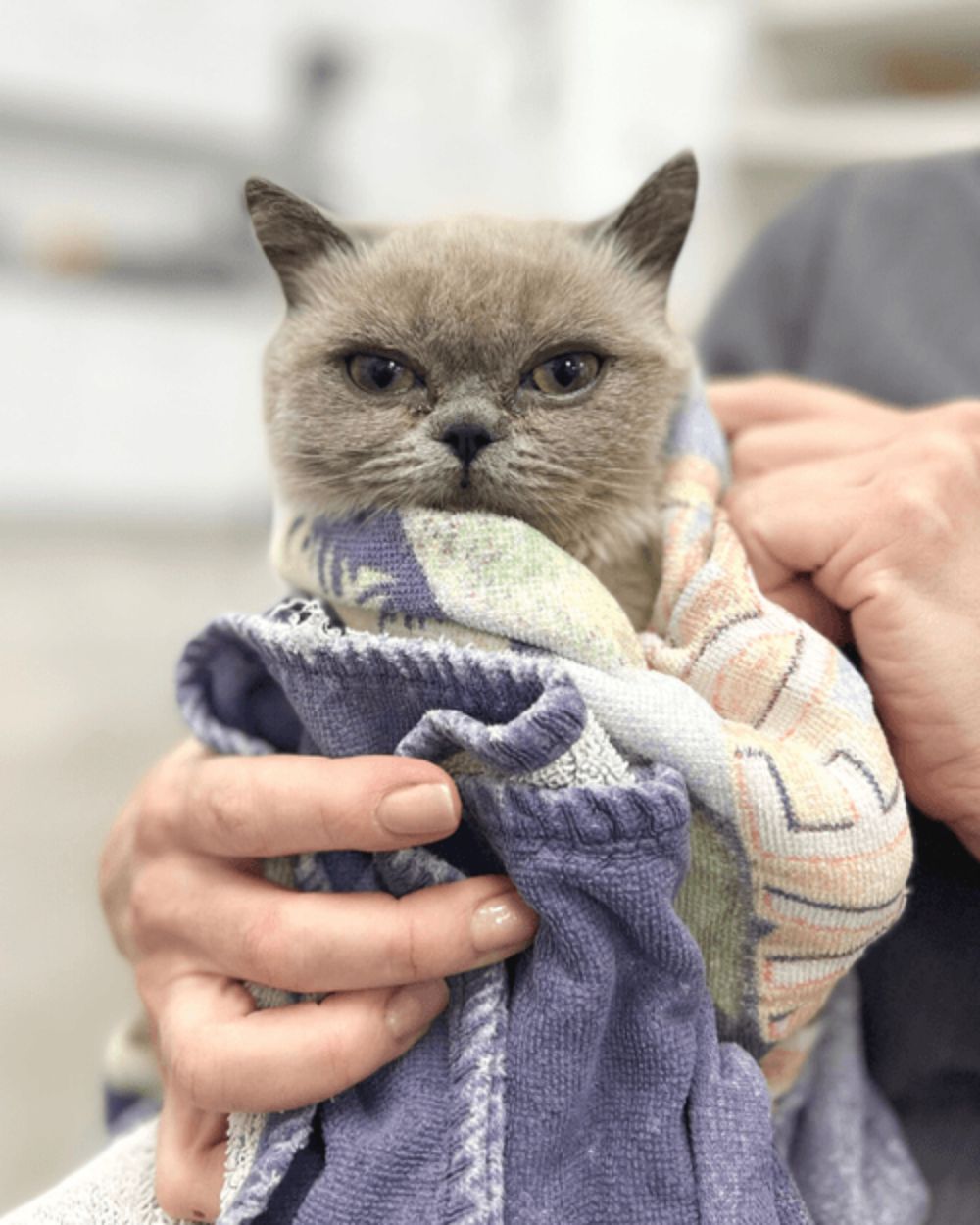
FPV preferentially infects rapidly dividing cells, causing intestinal barrier injury, neutropenia, and a high risk of sepsis; kittens can deteriorate rapidly and some die suddenly with minimal warning. In utero or perinatal infection can produce cerebellar hypoplasia, abortion or stillbirth, and neurologic sequelae in surviving kittens. Notably, leukopenia is not universal at presentation – published data indicate only around two thirds of infected cats are leukopenic on admission – so a normal CBC does not rule out FPV.
The Diagnostic Value Proposition
Fecal antigen tests require a comparatively high viral load to trigger a visible result, which can produce false negatives early in infection or with intermittent shedding. Nucleic-acid detection is more sensitive at lower viral loads, supporting earlier and more reliable confirmation. As with CPV, a modified-live vaccine can cause transient positive results for a few weeks (1-3) post-vaccination, so recent vaccination history should be factored into interpretation of a positive result in a recently vaccinated kitten.
Overall workflow
1. Prepare the sample in 5 minutes with the SampleDirect cartridge
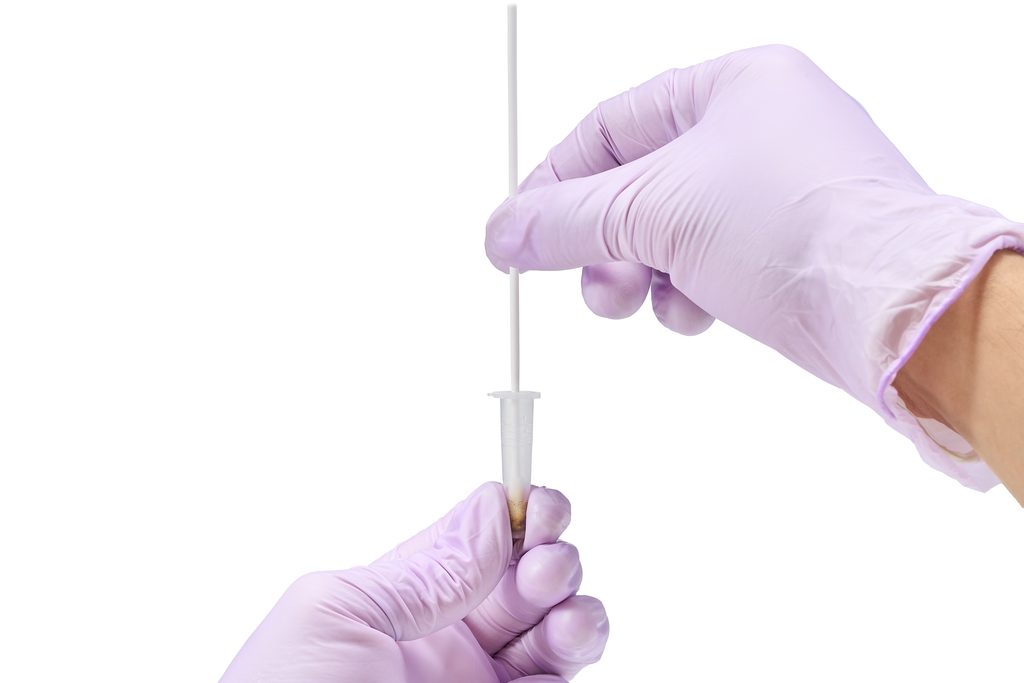
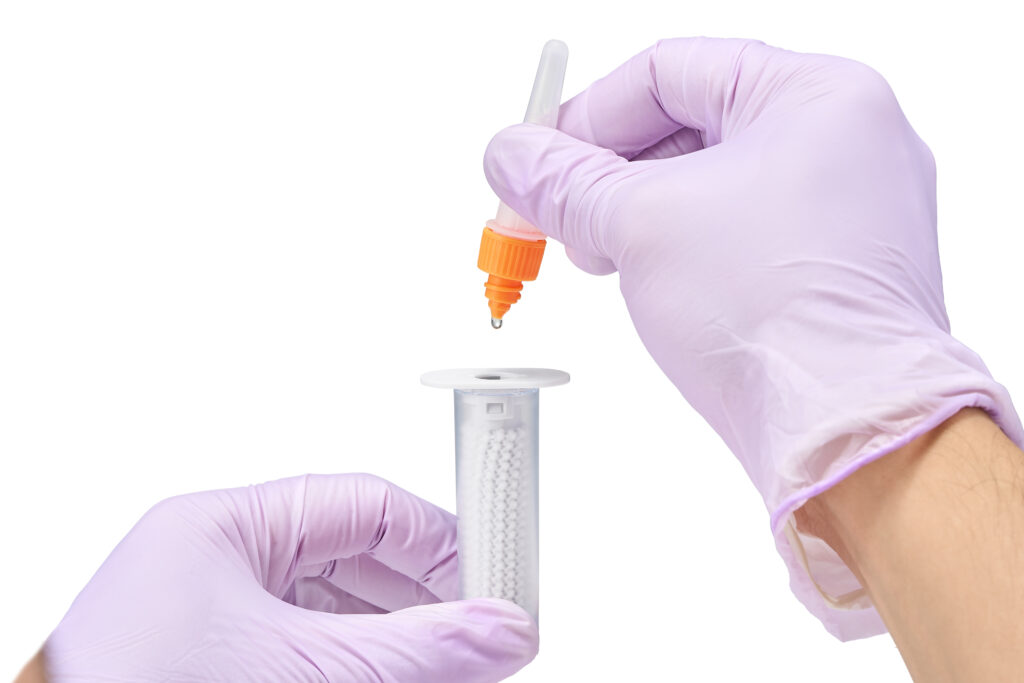
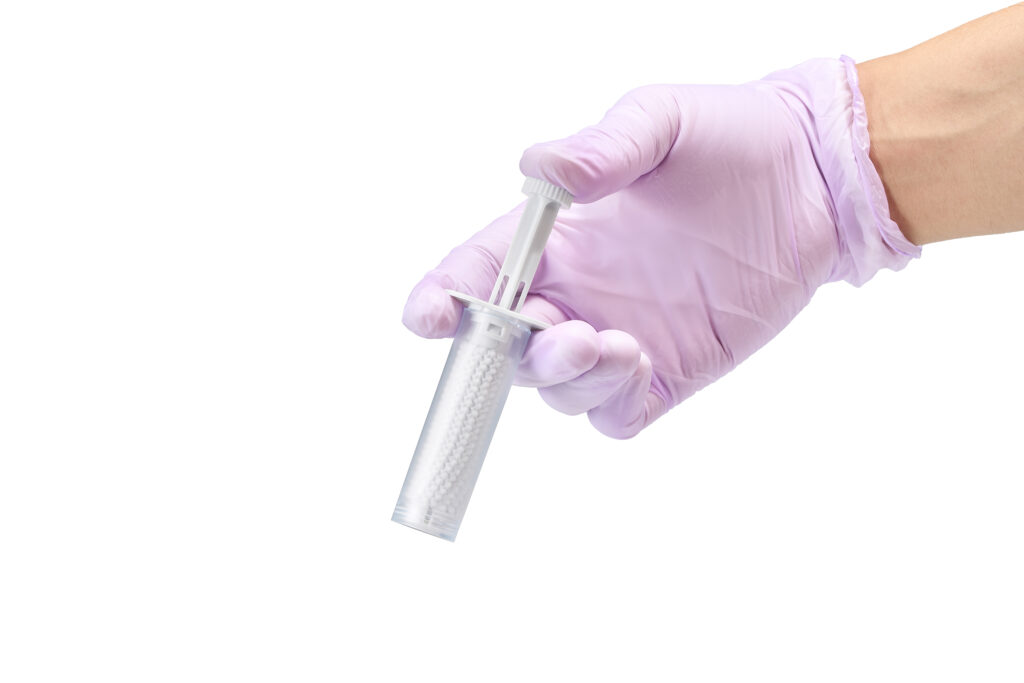
2. Transfer sample into the test cartridge and run it on the FLASH BaseTM
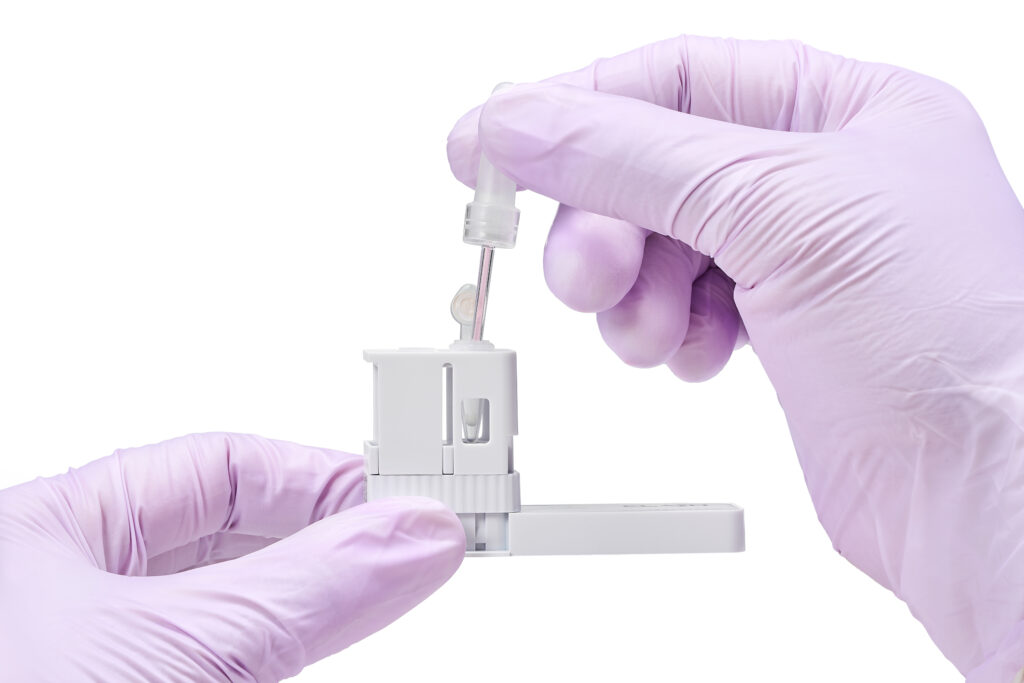
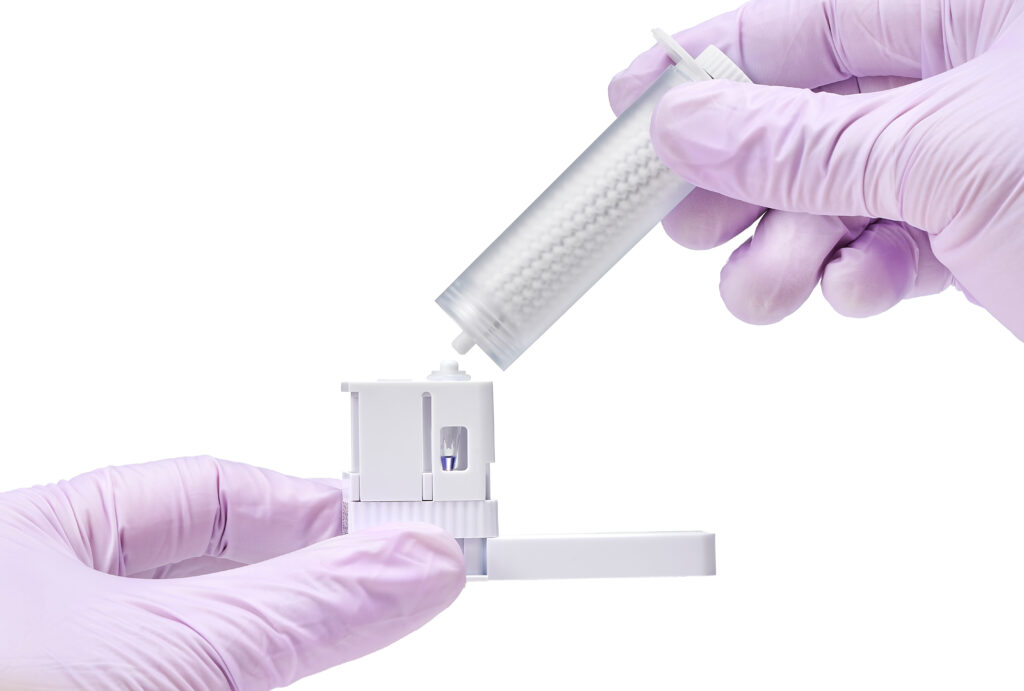
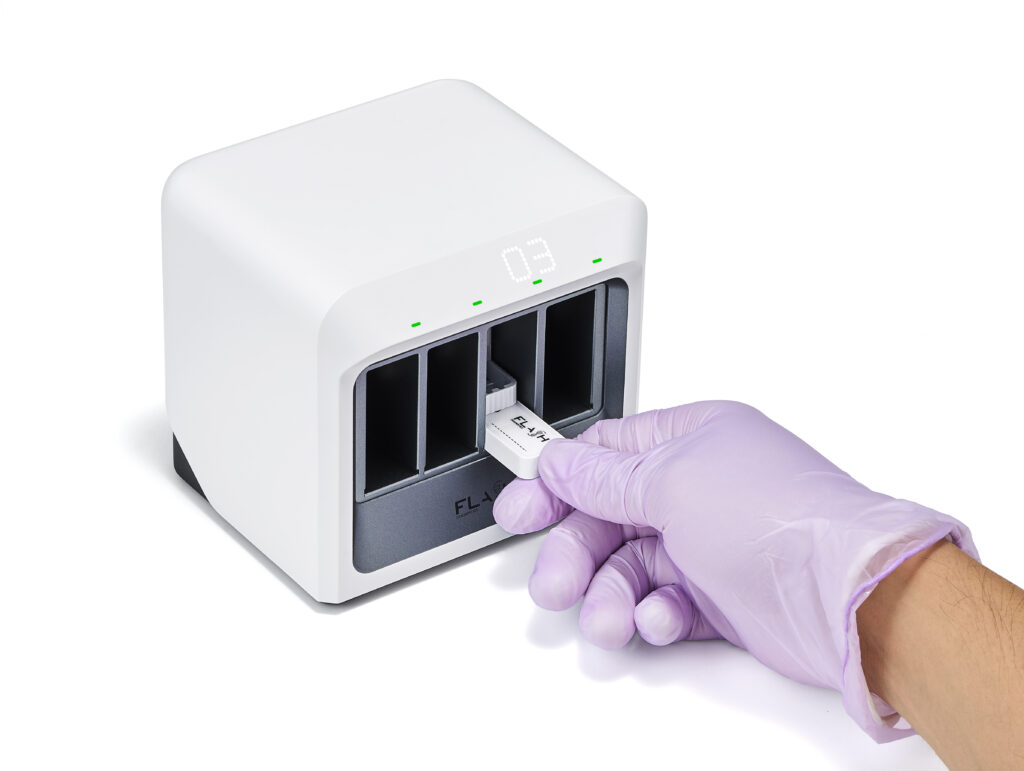
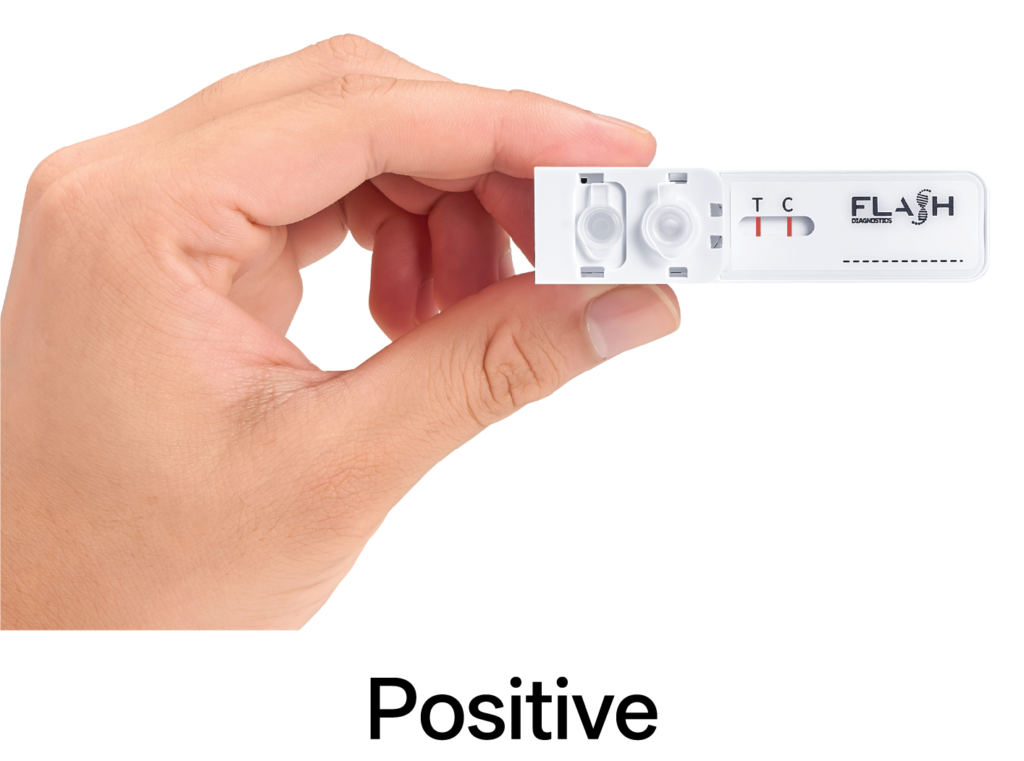
3. Activate the test cartridge and read the results
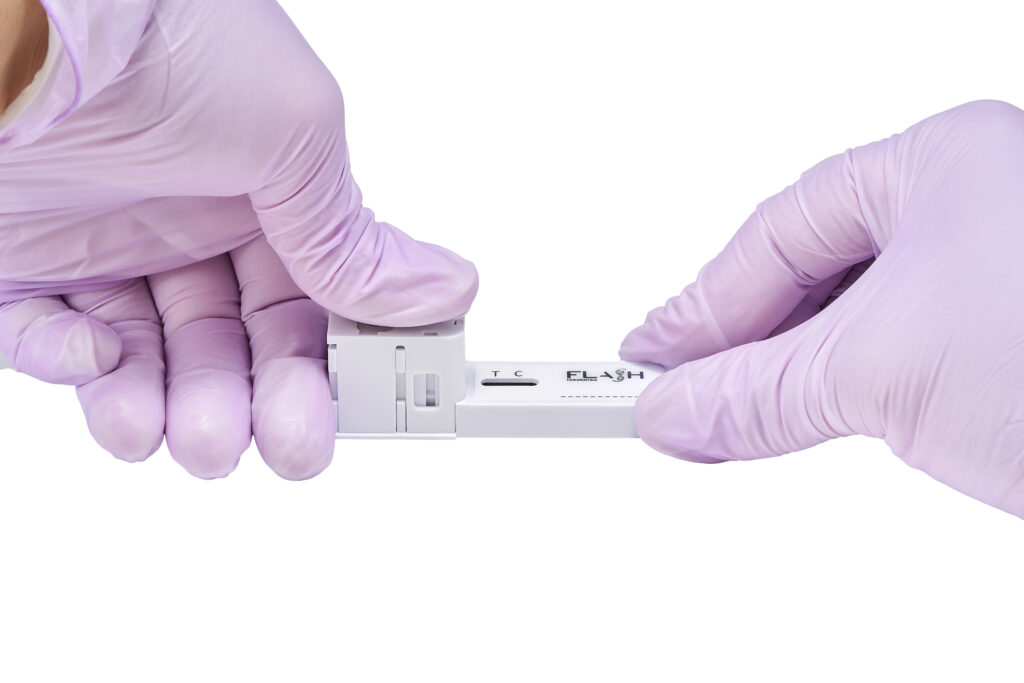
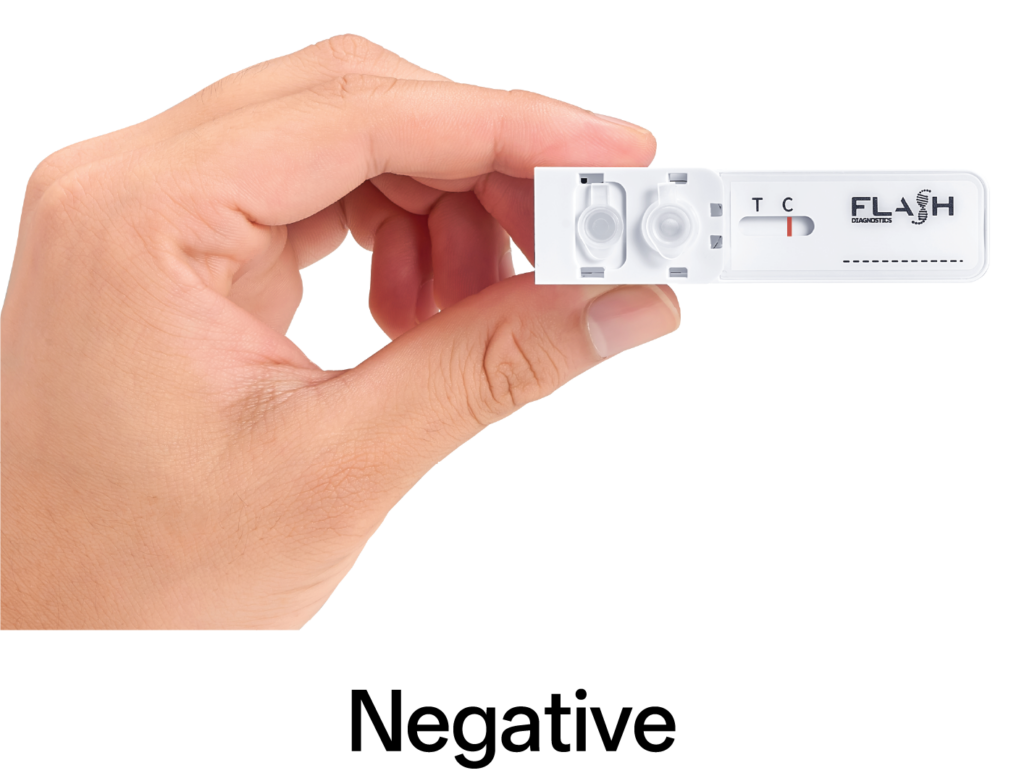
OR
General information
Target: Feline panleukopenia virus
Species: Feline
Sample type: Fecal or rectal swab
Result interpretation: Visual – lateral flow strip
Format: Single-use disposable test kit
Reagents: Lyophilized beads for isothermal amplification reaction
Hands-on sample preparation: 6 minutes
Reaction time: 30 minutes
Analytical limit of detection: 2,000 copies per reaction
Shelf life and storage: 12 months at room temperature