

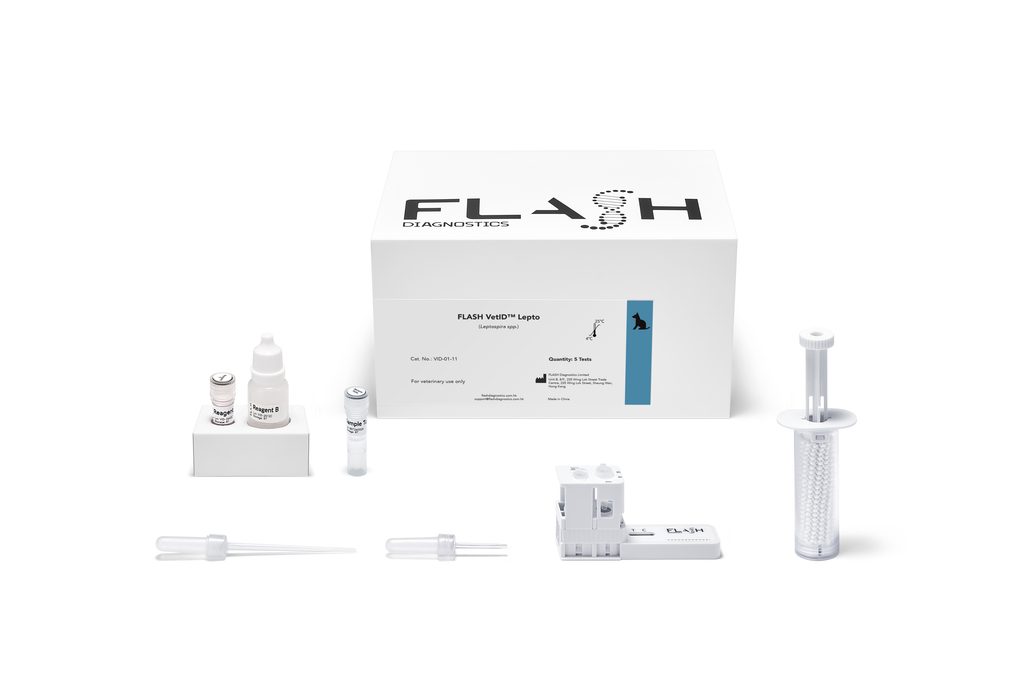
FLASH VetIDTM Lepto
Fast test for the qualitative detection of DNA of Leptospira spp. in whole blood of the dog.
- Detection is not limited to serovars represented in current canine vaccines
- Detects DNA of six pathogenic Leptospira species*
- Not confounded by vaccine-induced antibodies
40
minutes
Total assay time
50 μL
EDTA whole blood
Sample
Room
temperature
Storage
12
months
Shelf life
Clinical suspicion:
- Acute fever, lethargy, anorexia, or vomiting, even before obvious organ dysfunction develops
- Acute kidney injury with azotaemia, polyuria/polydipsia or anuria, especially with sudden onset
- Icterus or biochemical evidence of acute hepatic or cholestatic injury
- Thrombocytopenia, petechiae, haemorrhage or suspected leptospiral pulmonary haemorrhage
- Any dog with compatible illness – lifestyle and vaccination status do not reliably exclude infection
Screening / prevention programs:
- Early testing at first presentation of acute fever, when treatment can’t wait for seroconversion
- Recent exposure to rodents, wildlife, standing water, flooding, farms, or kennels
- Vaccinated dogs with compatible illness, since vaccine antibodies do not cause a positive molecular result and current vaccines do not cover every pathogenic type.
- Outbreak or contact investigations after a linked confirmed case
Pathogen and transmission
Pathogenic Leptospira are thin, motile spirochaetes that infect dogs worldwide. Dogs acquire infection when mucous membranes or damaged skin contact organisms shed by reservoir hosts, persisting in contaminated water or soil. Leptospires disseminate through the bloodstream and can rapidly injure the kidneys, liver and lungs. The early febrile phase is often nonspecific and may precede biochemical evidence of organ dysfunction, yet progression to acute kidney injury or pulmonary haemorrhage can be rapid. Leptospirosis is also zoonotic, so early recognition changes both patient management and clinic biosafety.
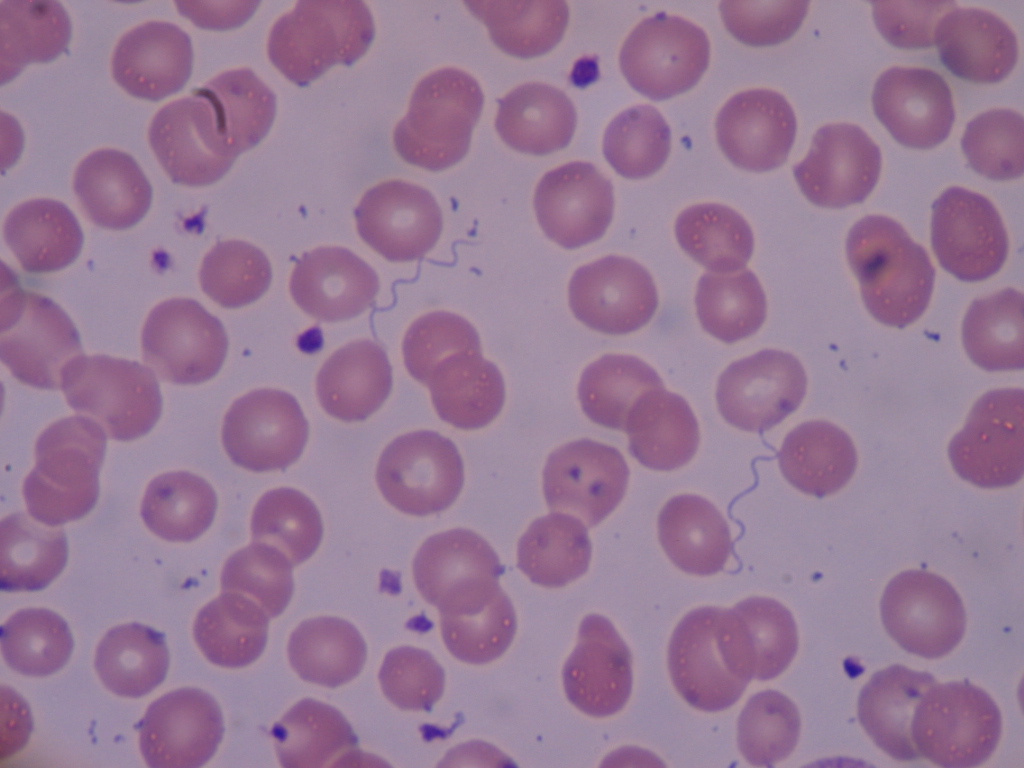
Species-Specific Manifestations
Canine leptospirosis is caused by multiple pathogenic species – including L. interrogans, L. borgpetersenii, L. kirschneri, L. noguchii, L. santarosai and L. weilii – and the clinical syndrome does not reliably reveal which one is responsible. Across these infections, acute kidney injury is common, with hepatic injury, thrombocytopenia, pancreatitis, pulmonary haemorrhage, myositis or cardiac involvement also recognised. Vaccine protection is serovar-based and geographically variable, and serology cannot reliably identify the infecting type.
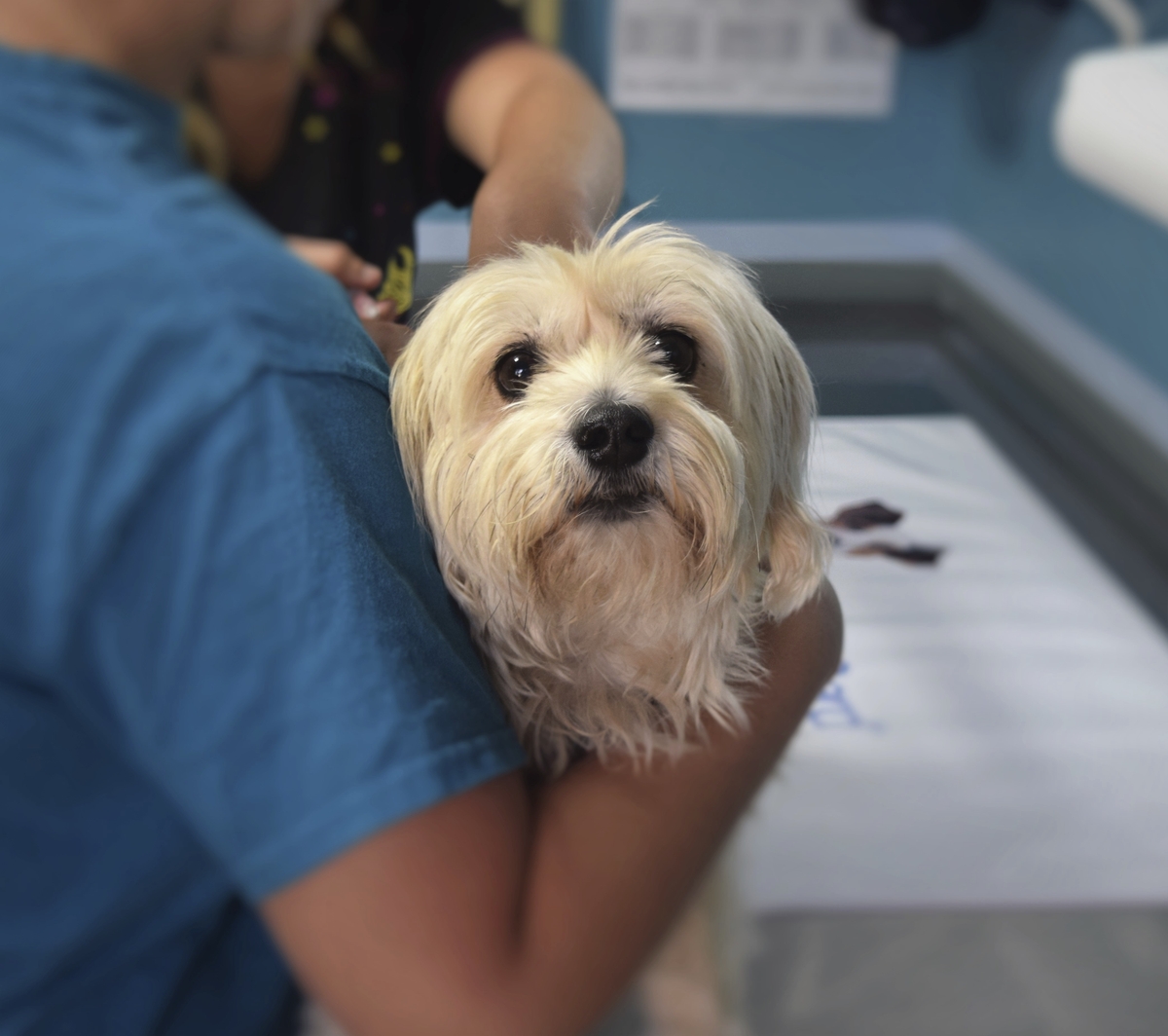
The Diagnostic Value Proposition
FLASH VetIDTM Leptospira spp. detects pathogenic Leptospira infection in whole blood before seroconversion. The test detects pathogenic species beyond vaccine serovars and is not affected by vaccination status. Get results in as little as 40 minutes within the same consult to support early treatment decisions and enhance biosafety management.

Overall workflow
1. Prepare the sample in 10 minutes with the SampleDirect cartridge
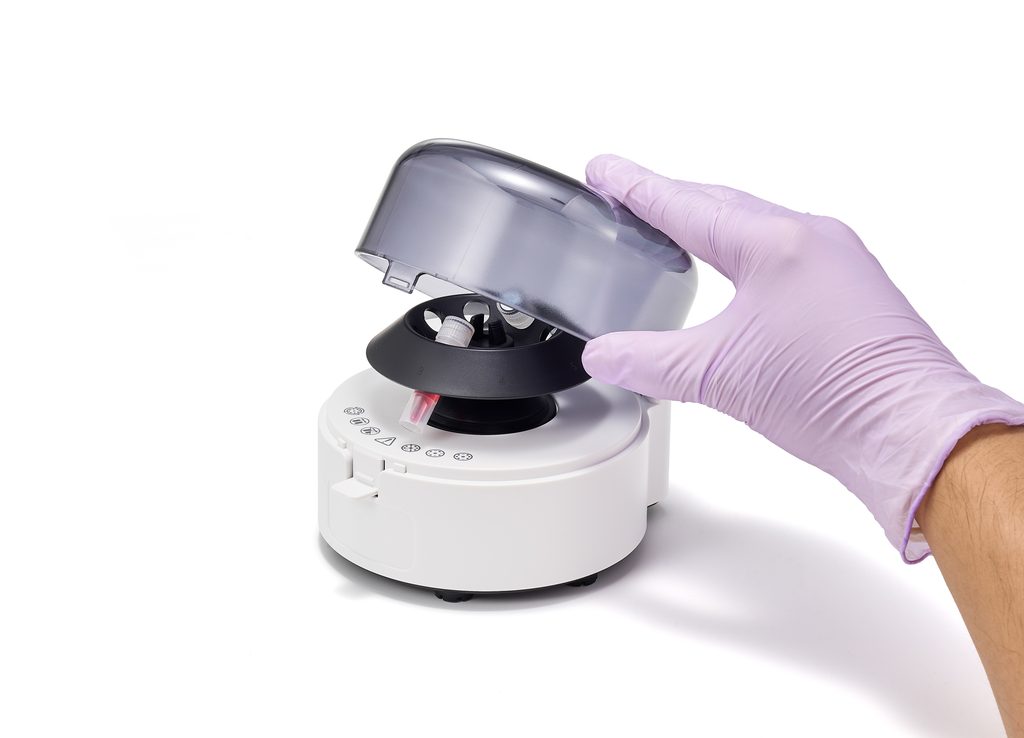
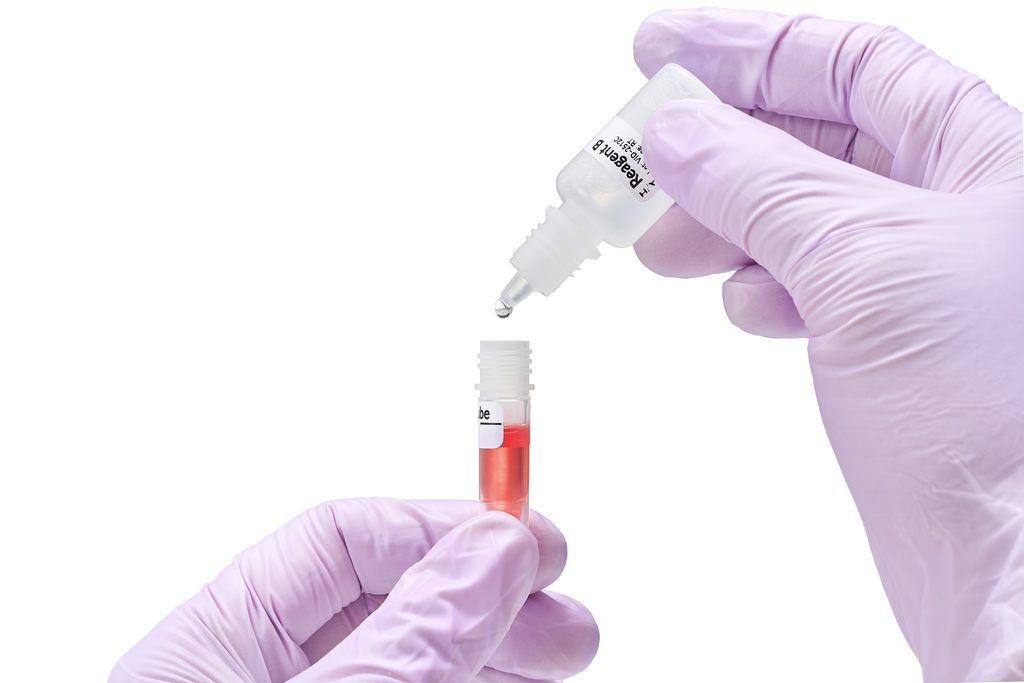
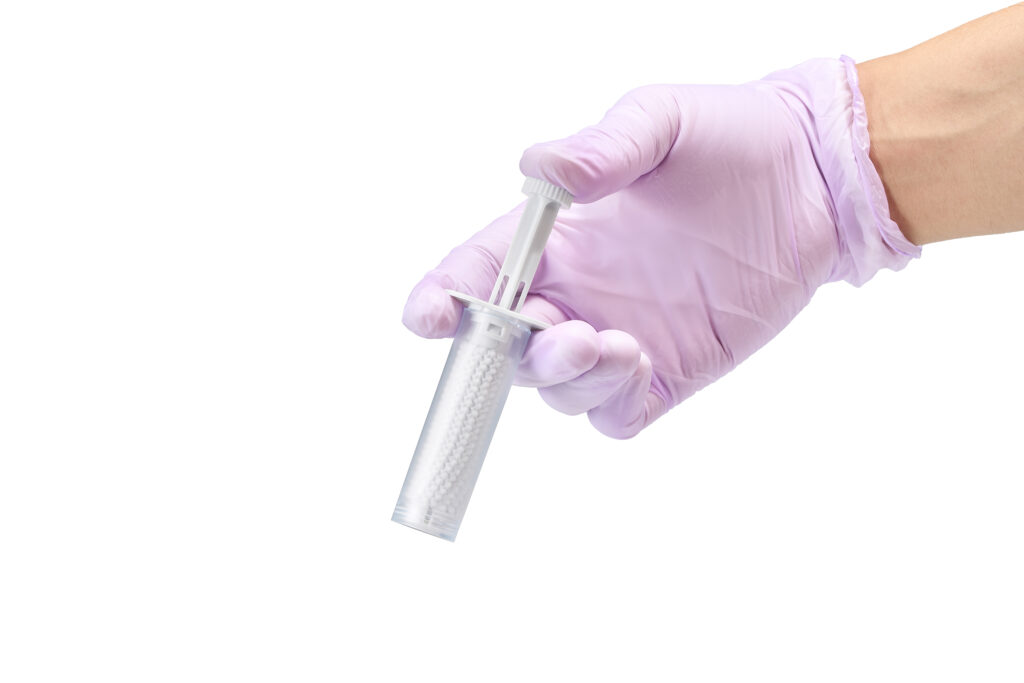
2. Transfer sample into the test cartridge and run it on the FLASH BaseTM
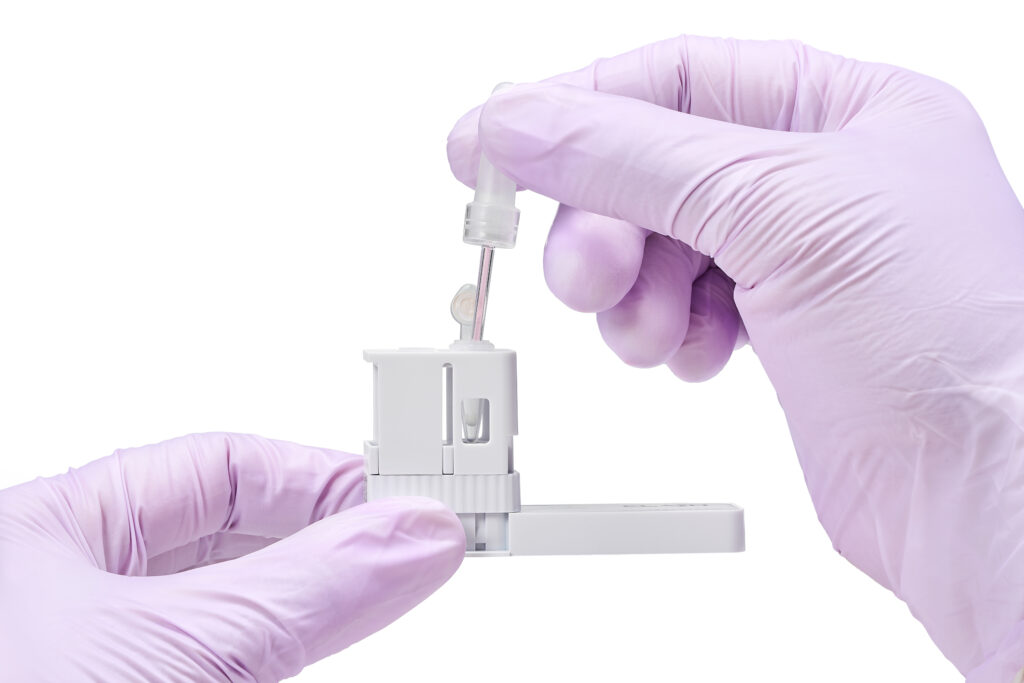
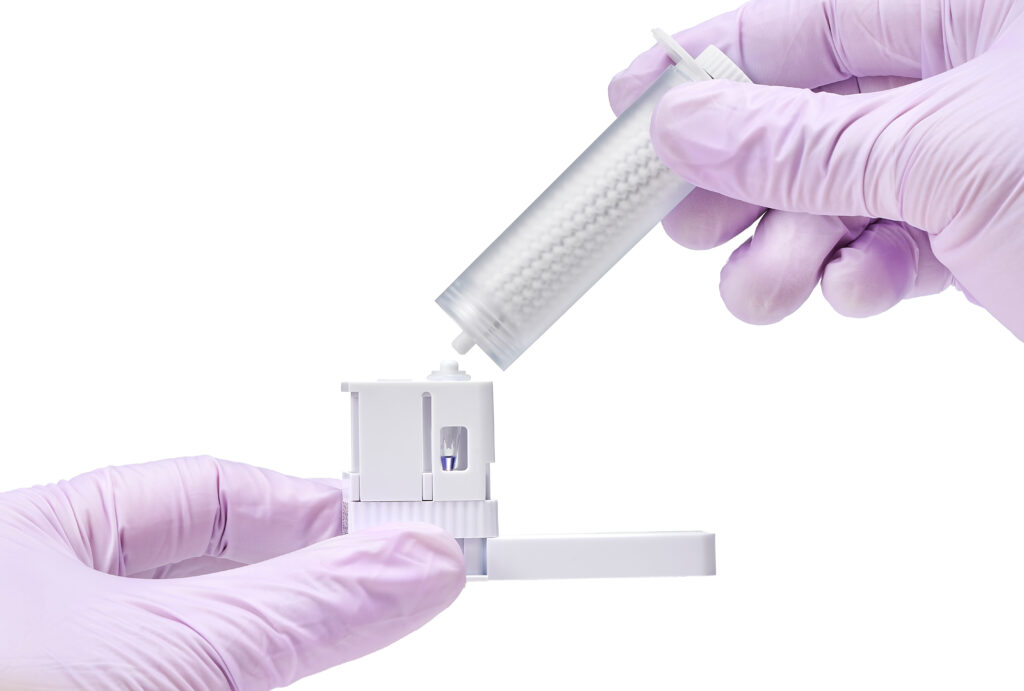
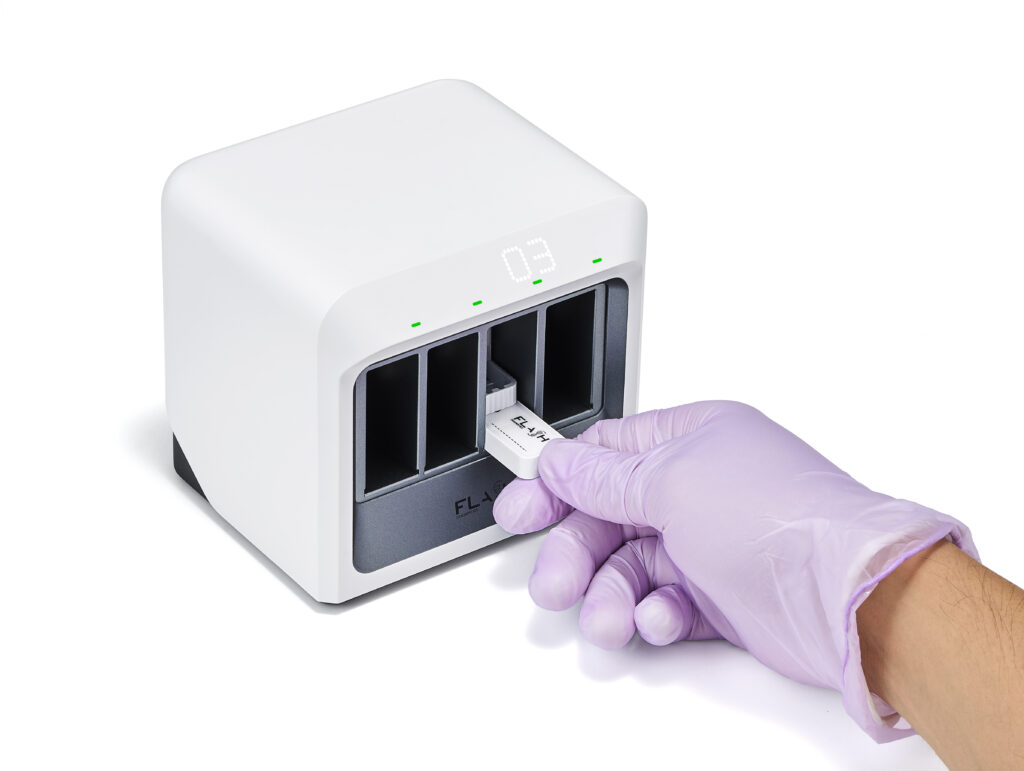
3. Activate the test cartridge and read the results
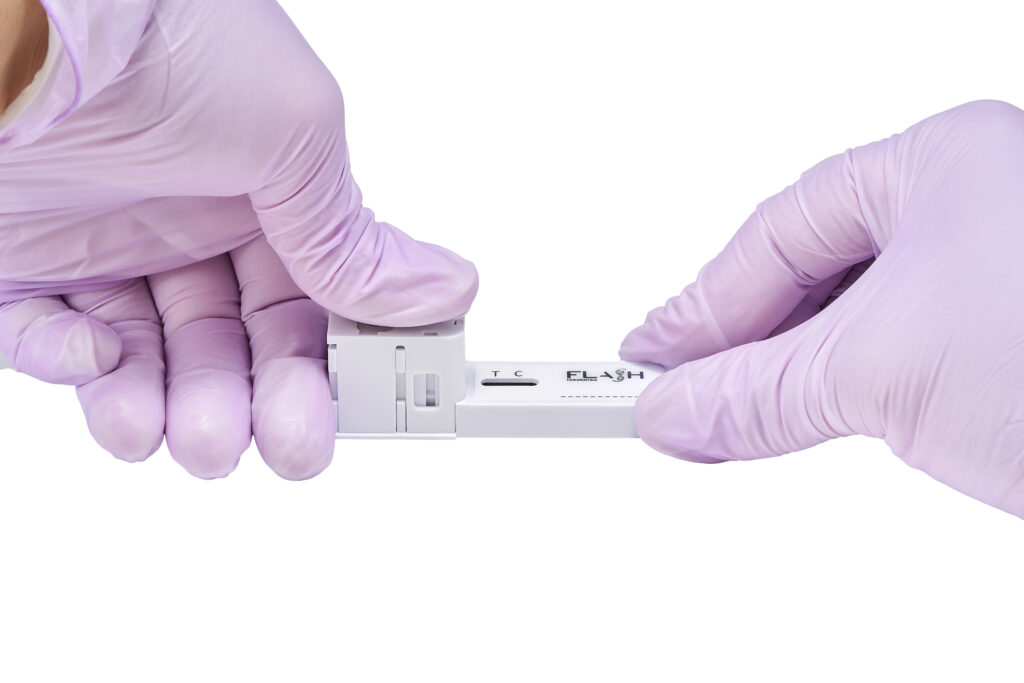
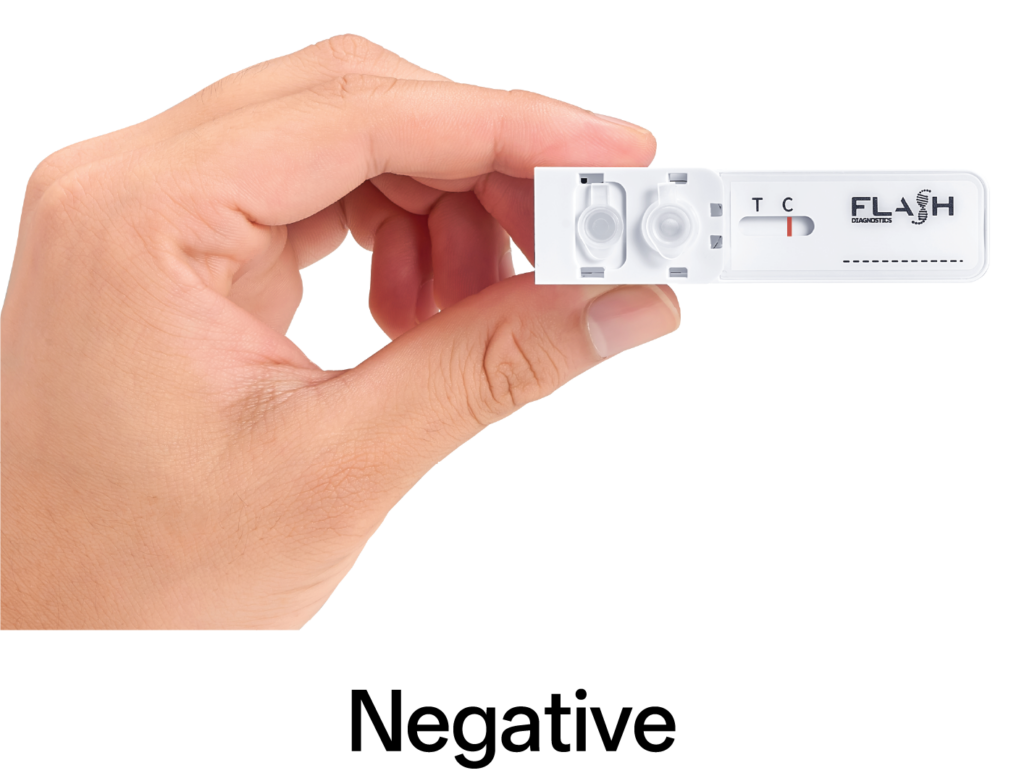
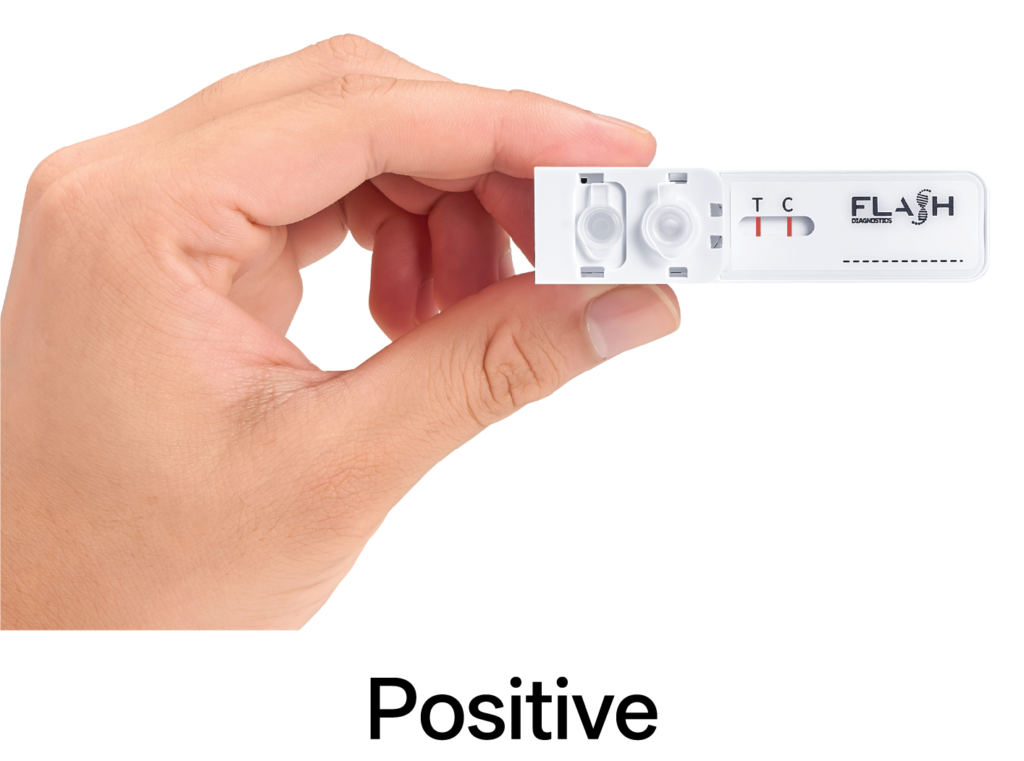
OR
General information
Target: Leptospira spp.
Species: Canine
Sample type: 50 μL EDTA blood
Result interpretation: Visual – lateral flow strip
Format: Single-use disposable test kit
Reagents: Lyophilized beads for isothermal amplification reaction
Hands-on sample preparation: 5 minutes + 5 minutes centrifugation
Reaction time: 30 minutes
Analytical limit of detection: 5,000 copies per reaction
Shelf life and storage: 12 months at room temperature
* Species covered L. borgpetersenii; L. interrogans; L. kirschneri; L. noguchii; L. santarosai; L. weilii.