

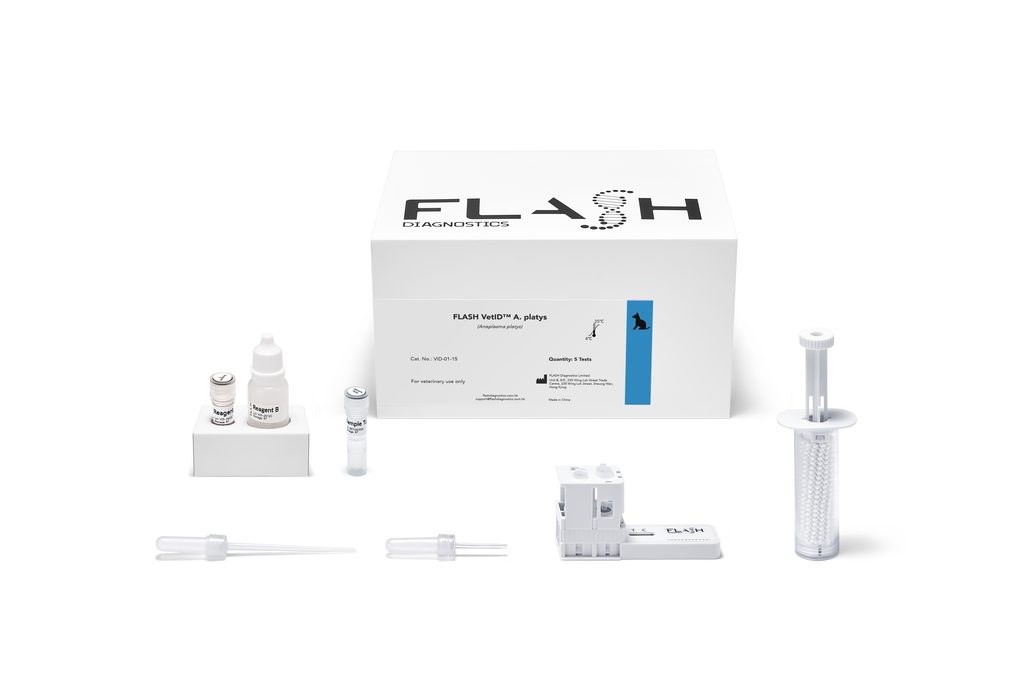
FLASH VetIDTM A. platys
Fast test for the qualitative detection of DNA of Anaplasma platys in whole blood of the dog.
- Detects DNA directly – more specific than blood smear, where platelet-inclusion findings are frequently false positive.
40
minutes
Total assay time
50 μL
EDTA whole blood
Sample
Room
temperature
Storage
12
months
Shelf life
Clinical suspicion:
- Cyclic or recurring thrombocytopenia, sometimes with fever, depression or anorexia
- Pale mucous membranes, petechiae, nasal discharge or lymphadenopathy
- Dogs in warm-climate, kennel or household settings with brown dog tick exposure
- Signs suggesting possible coinfection with Ehrlichia canis or Babesia spp.
- Persistent or relapsing low platelet counts without an obvious alternative cause
Screening / prevention programs:
- Blood donor screening in endemic areas
- Dogs with recurring or unexplained thrombocytopenia on routine bloodwork
- Kennel and multi-dog household screening where tick control is inconsistent
- Monitoring dogs with prior confirmed infection for recrudescence
Pathogen and transmission
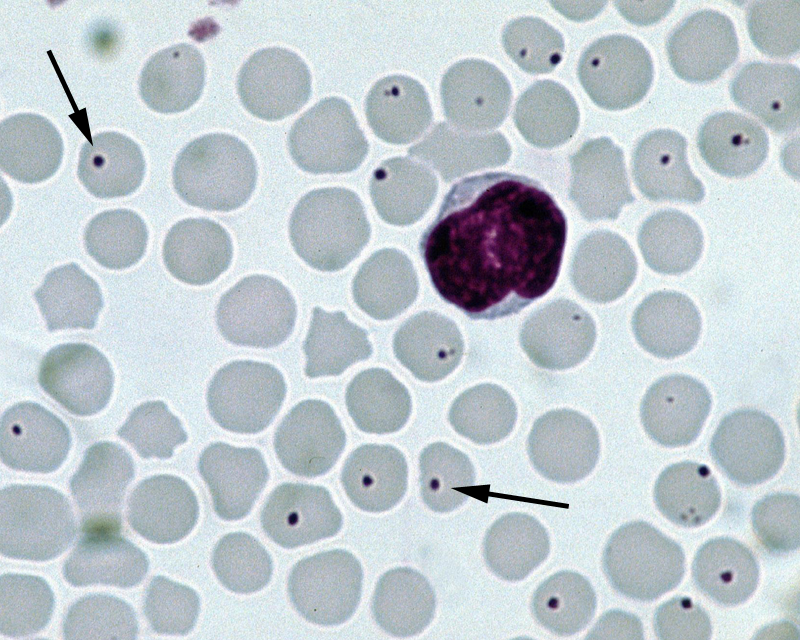
Anaplasma platys is an intracellular bacterium that infects platelets, causing infectious cyclic thrombocytopenia in dogs. It is most closely associated with the brown dog tick complex, though the precise vector role of different lineages within that complex is still being clarified across regions. Attention has concentrated on warm-climate, kennel-associated settings, including the Mediterranean, Latin America, parts of Asia, and the southwestern United States.
Species-Specific Manifestations
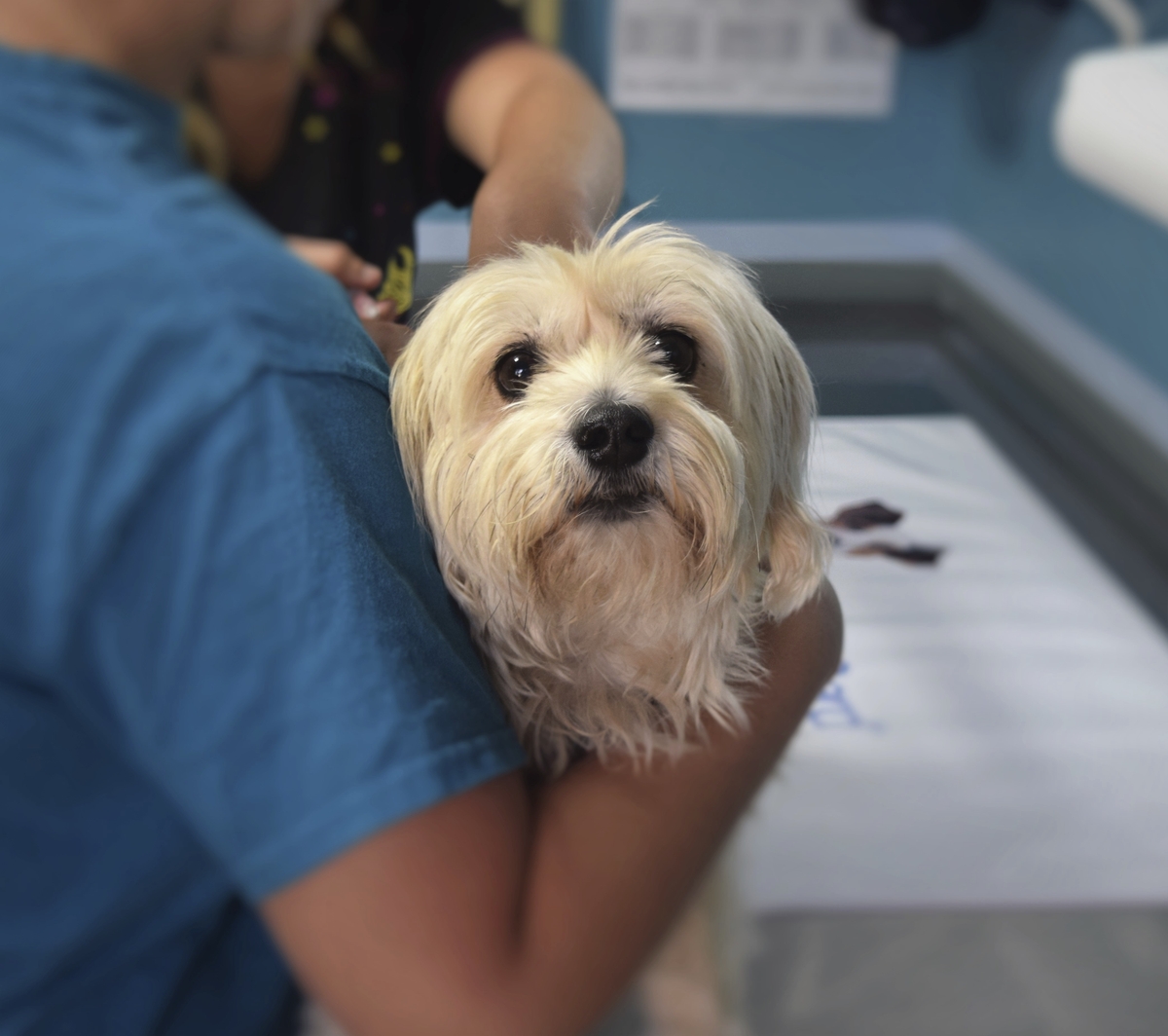
Infection is often subclinical or mild, particularly in reports from the United States, but a clearer clinical syndrome – fever, depression, anorexia, pale mucous membranes, petechiae, nasal discharge, and lymphadenopathy – has been described in several other regions, notably parts of the Mediterranean. The hallmark feature is cyclic thrombocytopenia. Coinfection with Ehrlichia canis or Babesia spp. is common, which can make it difficult to attribute a severe presentation to A. platys alone.
The Diagnostic Value Proposition
Blood smear cytology is prone to false positives for A. platys: in one study, platelet inclusions were suspected in about a quarter of smears, but confirmed by qPCR in only about a third of those cases. Rapid or serologic Anaplasma assays typically report only genus-level results and can cross-react with A. phagocytophilum, so they cannot reliably confirm A. platys specifically – direct DNA detection avoids that ambiguity and gives a species-level answer.

Overall workflow
1. Prepare the sample in 10 minutes with the SampleDirect cartridge
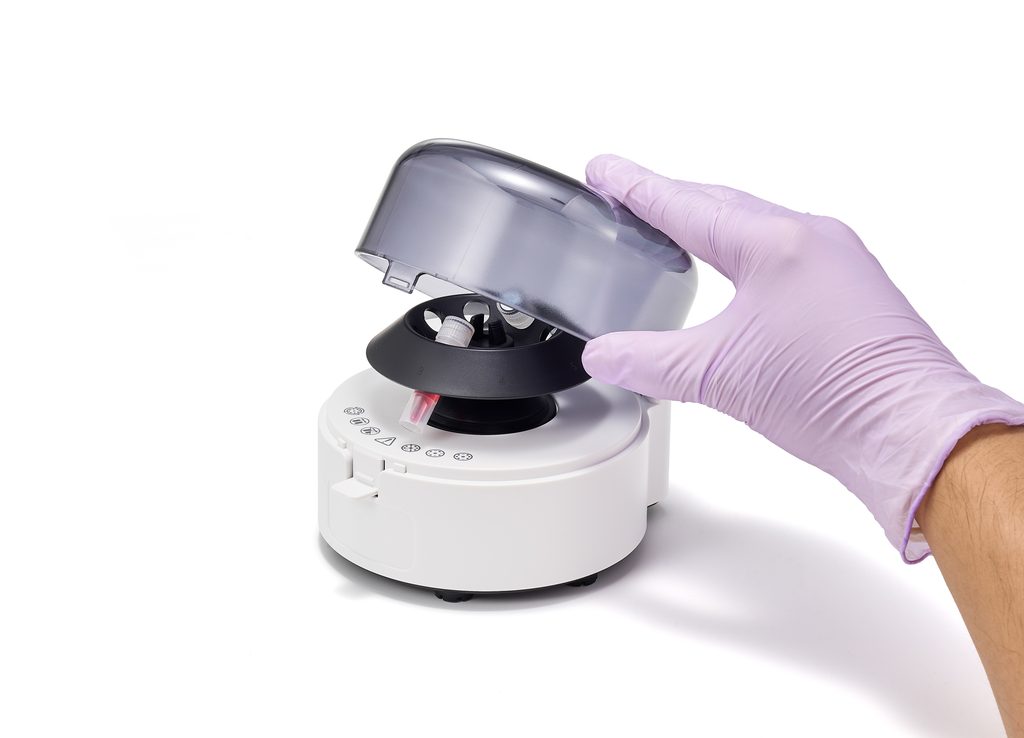
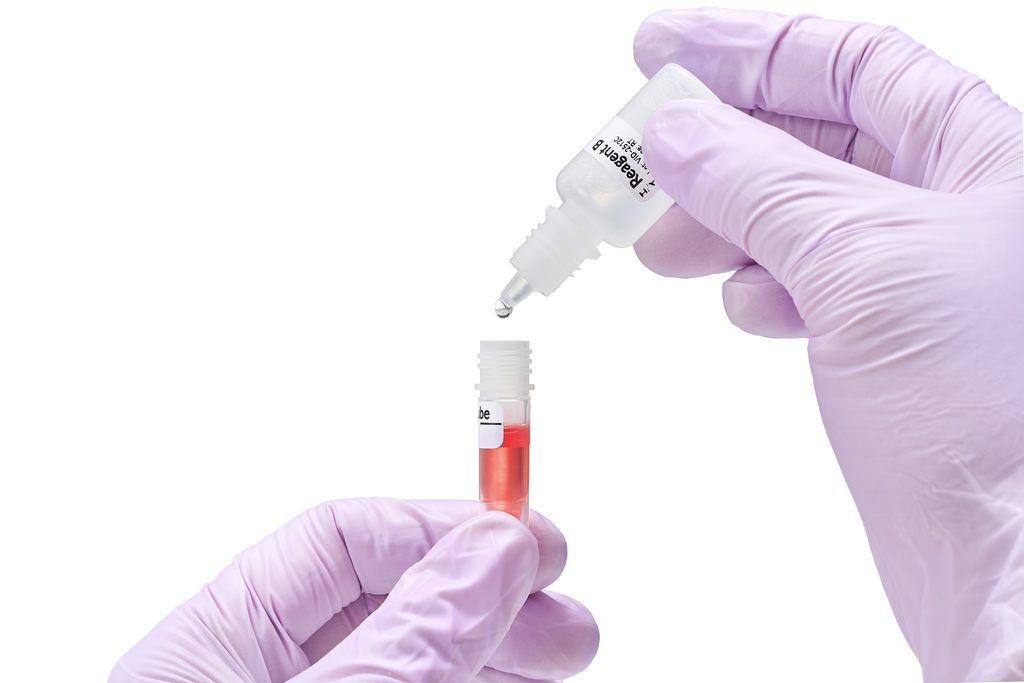
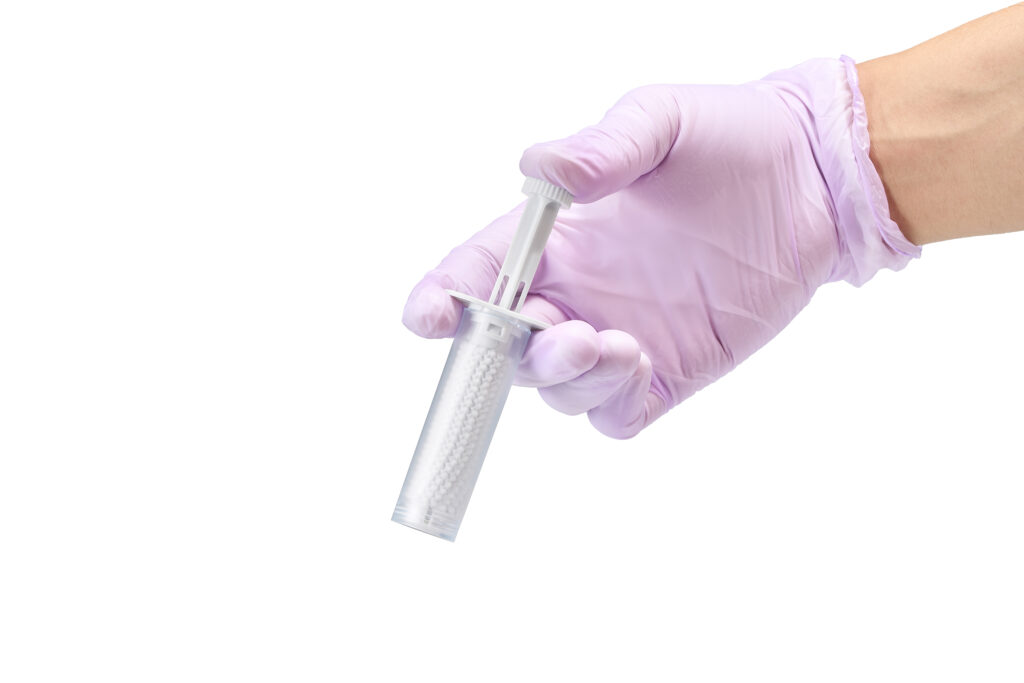
2. Transfer sample into the test cartridge and run it on the FLASH BaseTM
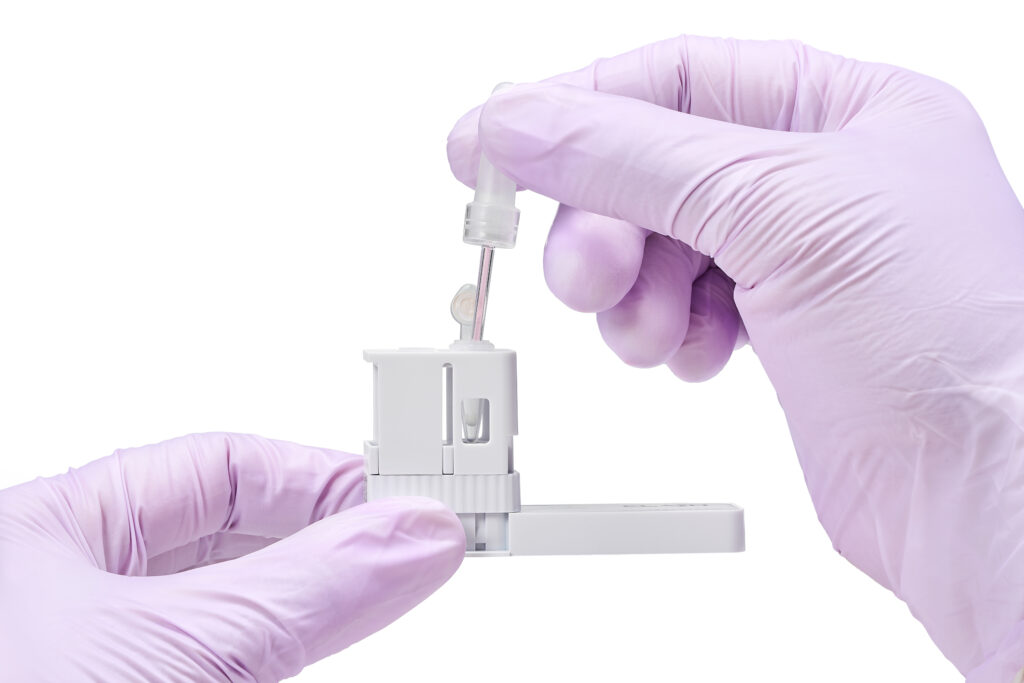
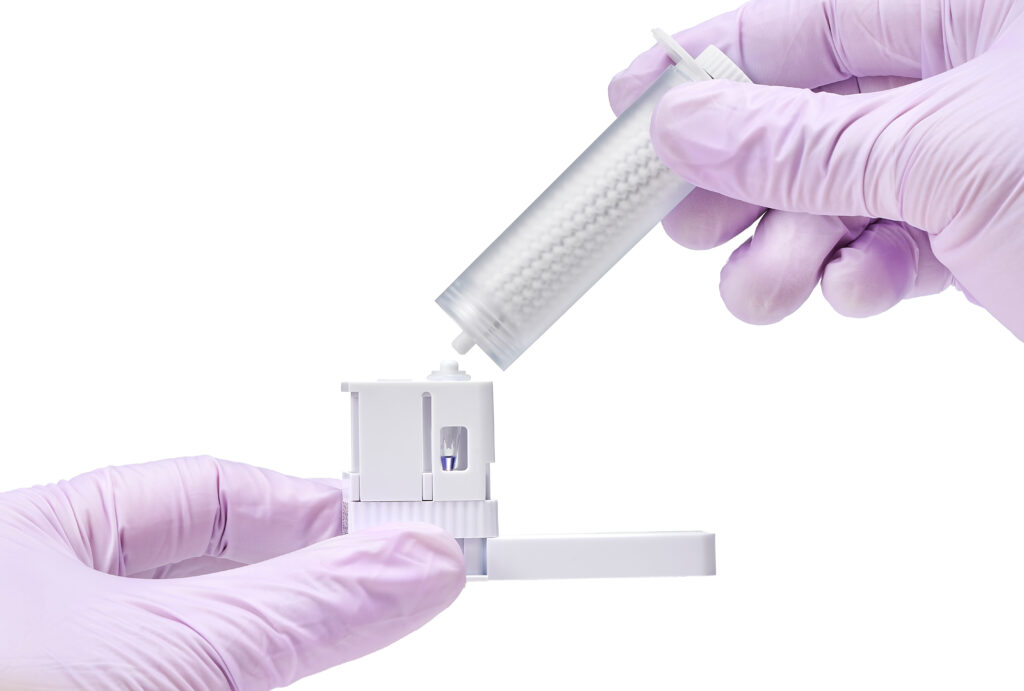
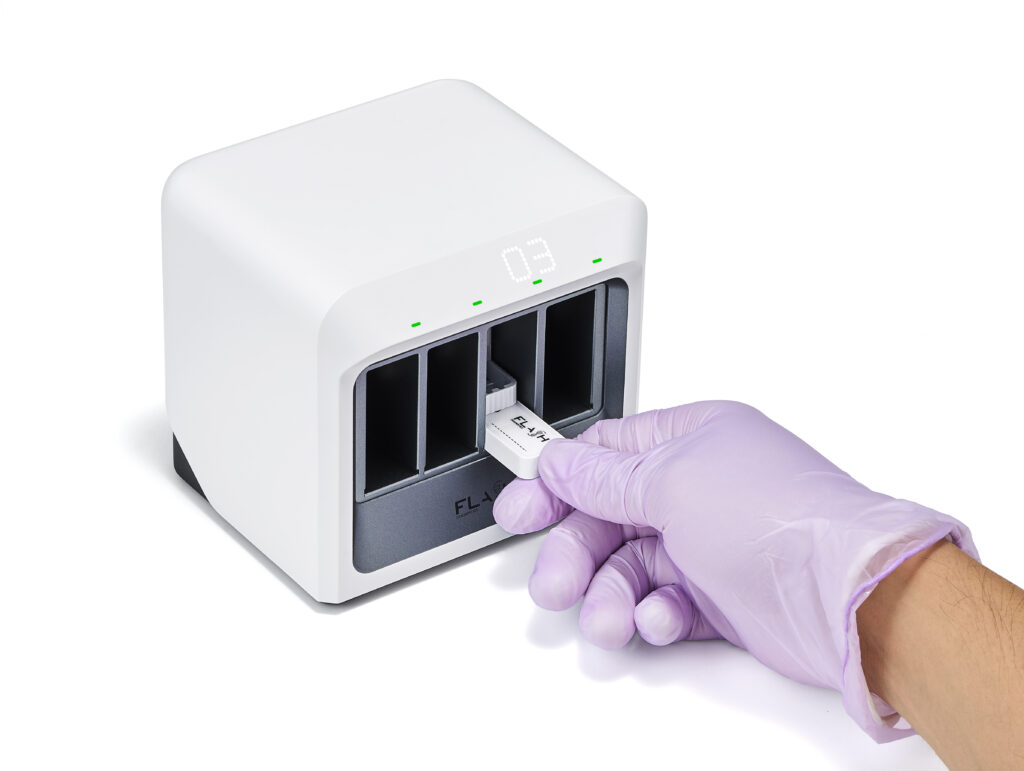
3. Activate the test cartridge and read the results
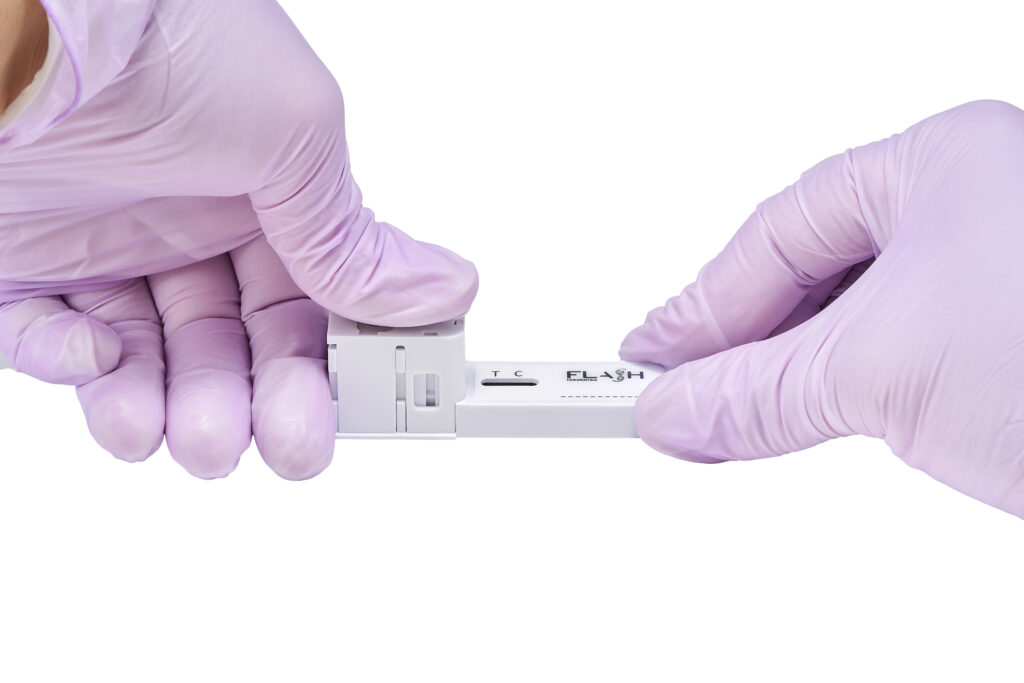
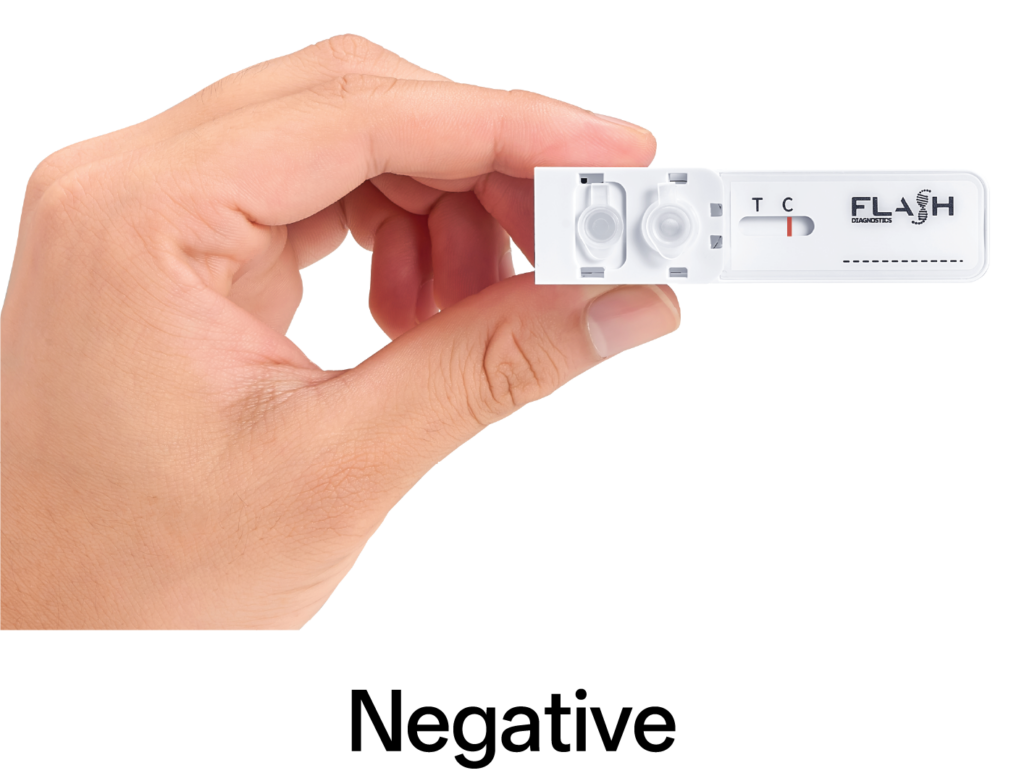
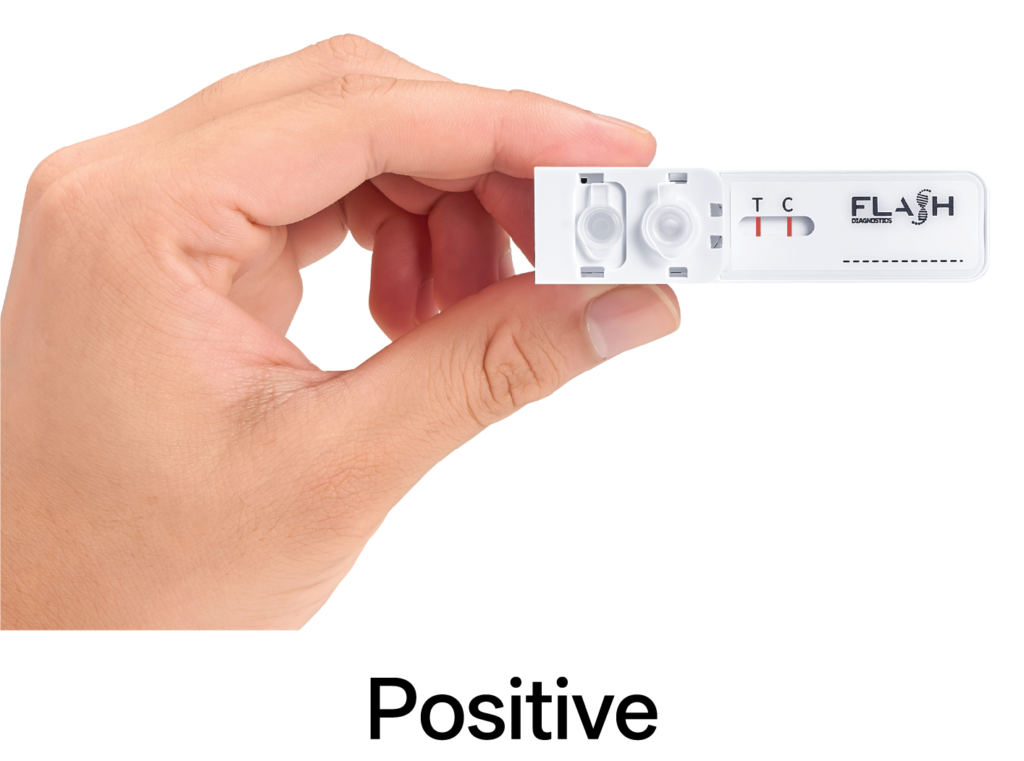
OR
General information
Target: Anaplasma platys
Species: Canine
Sample type: 50 μL EDTA blood
Result interpretation: Visual – lateral flow strip
Format: Single-use disposable test kit
Reagents: Lyophilized beads for isothermal amplification reaction
Hands-on sample preparation: 5 minutes + 5 minutes centrifugation
Reaction time: 30 minutes
Analytical limit of detection: 1,000 copies per reaction
Shelf life and storage: 12 months at room temperature