

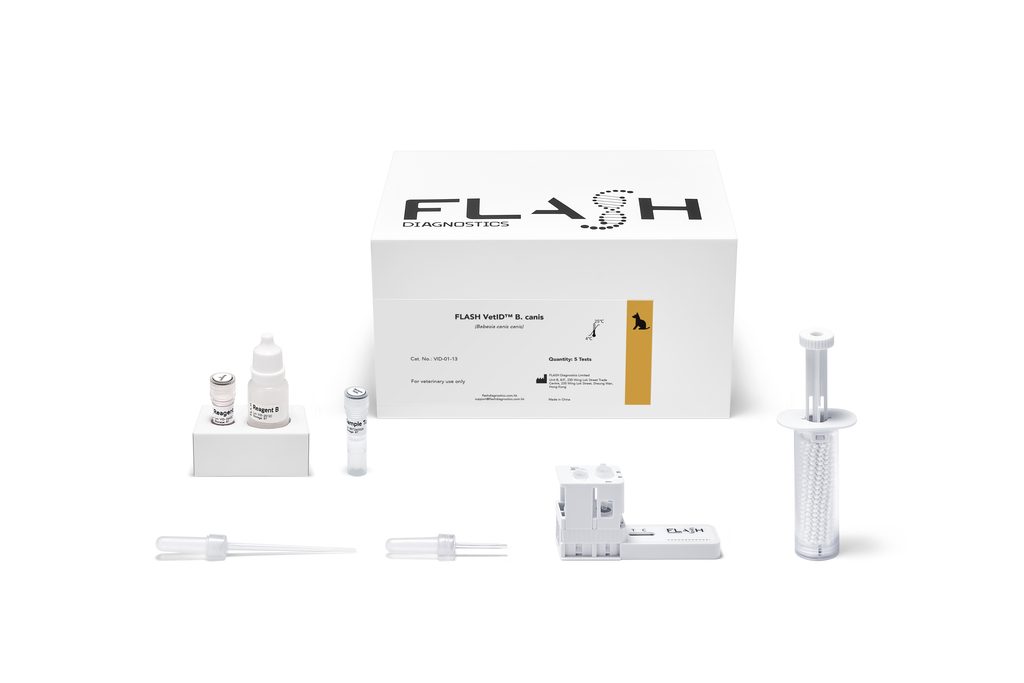
FLASH VetIDTM B. canis
Fast test for the qualitative detection of DNA of Babesia canis canis in whole blood of the dog.
- Detects DNA directly – more sensitive than blood smear, especially in low-level or chronic infection
- Aids to select the appropriate combination drug therapy
40
minutes
Total assay time
50 μL
EDTA whole blood
Sample
Room
temperature
Storage
12
months
Shelf life
Clinical suspicion:
- Lethargy, fever, pale or icteric mucous membranes, and red-tinged urine after tick exposure
- Rapid, severe (peracute or acute) onset with vomiting and anorexia
- Suspected complications: unusual bleeding, neurologic signs, or signs of organ dysfunction
- Recent travel to or residence in an endemic area with confirmed tick exposure
- Unexplained thrombocytopenia and anaemia occurring together
Screening / prevention programs:
- Blood donor screening in endemic areas
- Dogs travelling to or returning from endemic regions
- Kennel or hunting-dog populations with high tick exposure
- Post-treatment monitoring for persistence or relapse
Pathogen and transmission
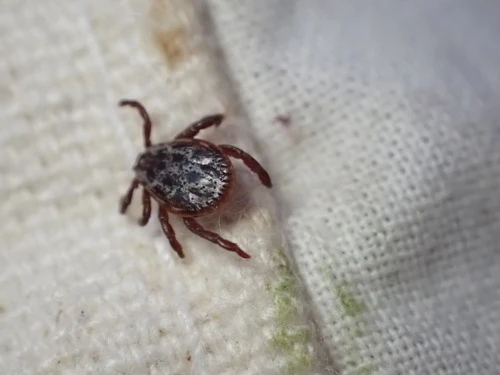
Babesia canis senso stricto is the classical large canine piroplasm across much of Europe, transmitted principally by Dermacentor reticulatus. Experimental work has demonstrated transmission within as little as 8 hours of tick attachment, meaning prompt tick removal alone is not a reliable safeguard – fast-acting preventive products matter just as much.
Species-Specific Manifestations
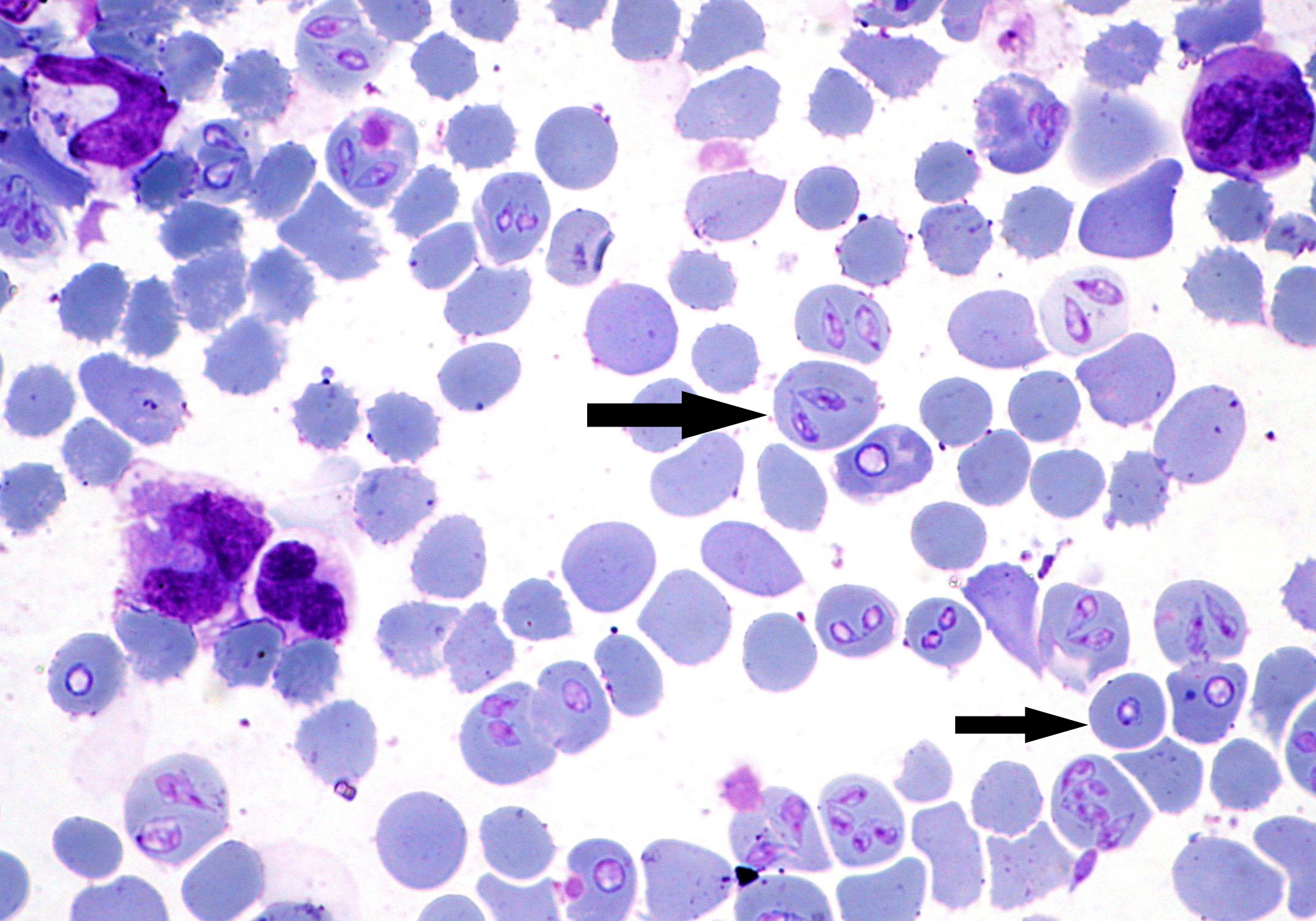
Disease ranges from subclinical to peracute and fatal. The typical acute presentation follows a 1–3 week incubation: lethargy, fever, anorexia, jaundice and red-coloured urine. Severity is driven less by parasite burden alone than by the host’s inflammatory response – systemic inflammatory response syndrome (SIRS), acute kidney injury, disseminated intravascular coagulation (DIC), and multi-organ dysfunction are the major drivers of poor outcome. In one recent species-confirmed case series, thrombocytopenia and anaemia were near-universal findings, with overall mortality around 15%.

The Diagnostic Value Proposition
Nucleic acid detection is more sensitive than blood smear, particularly in low-level or chronic infection, and provides species confirmation that morphology alone cannot. Antibody testing is not useful for ruling out early disease, since detectable titres typically take about two weeks to develop. Clinical improvement after treatment does not guarantee parasitological cure – documented treatment failures support confirming clearance by PCR rather than assuming cure from symptom resolution alone.
Overall workflow
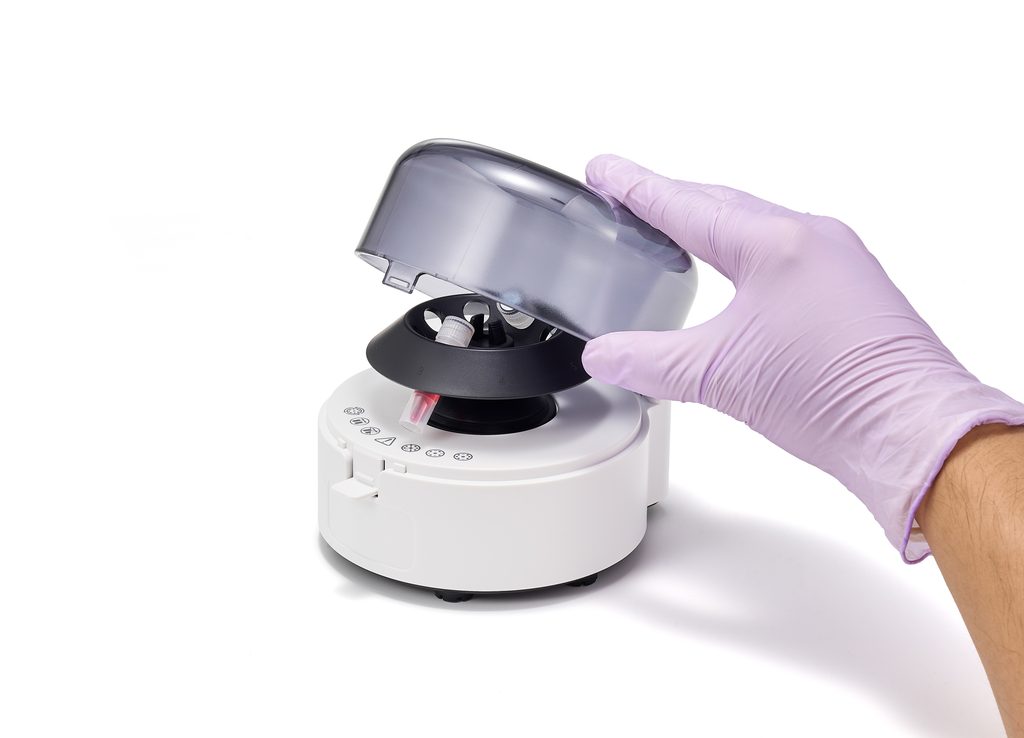
1. Prepare the sample in 10 minutes with the SampleDirect cartridge
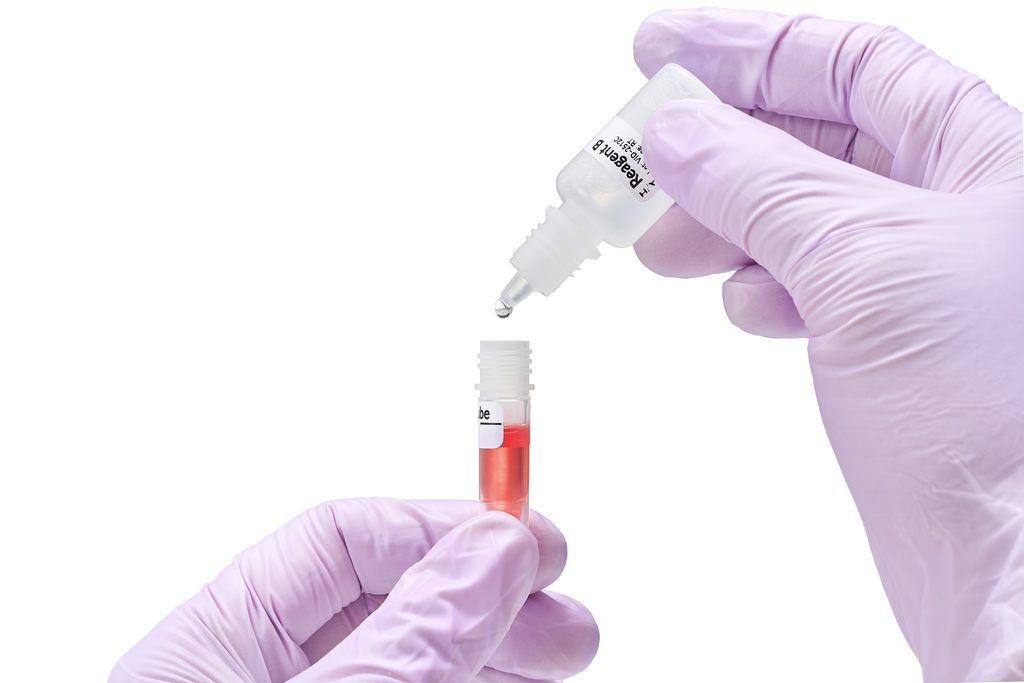
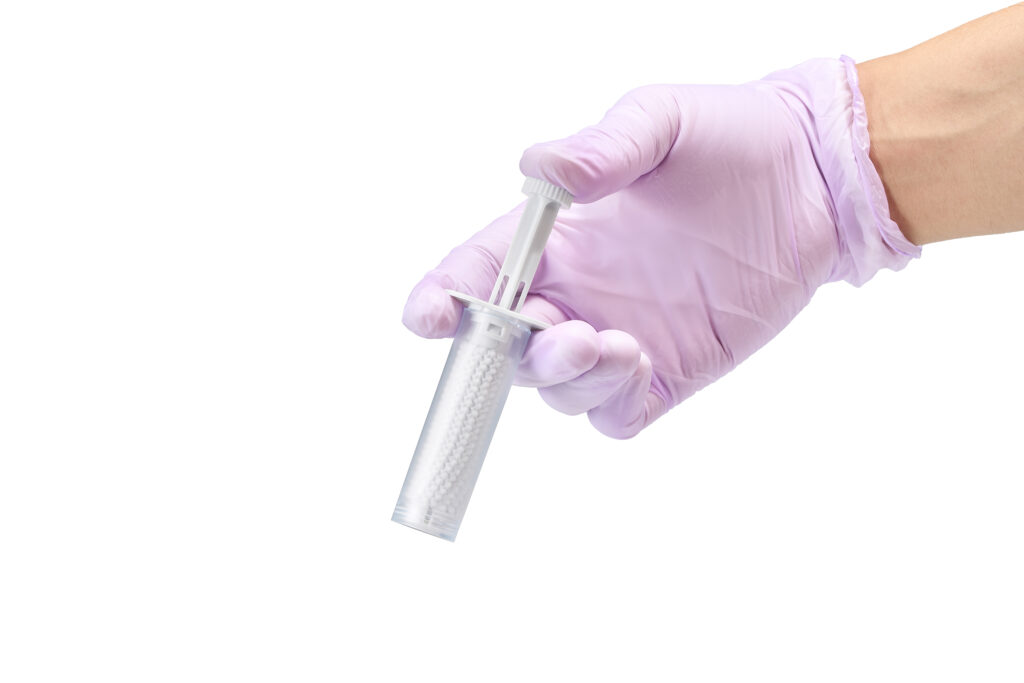
2. Transfer sample into the test cartridge and run it on the FLASH BaseTM
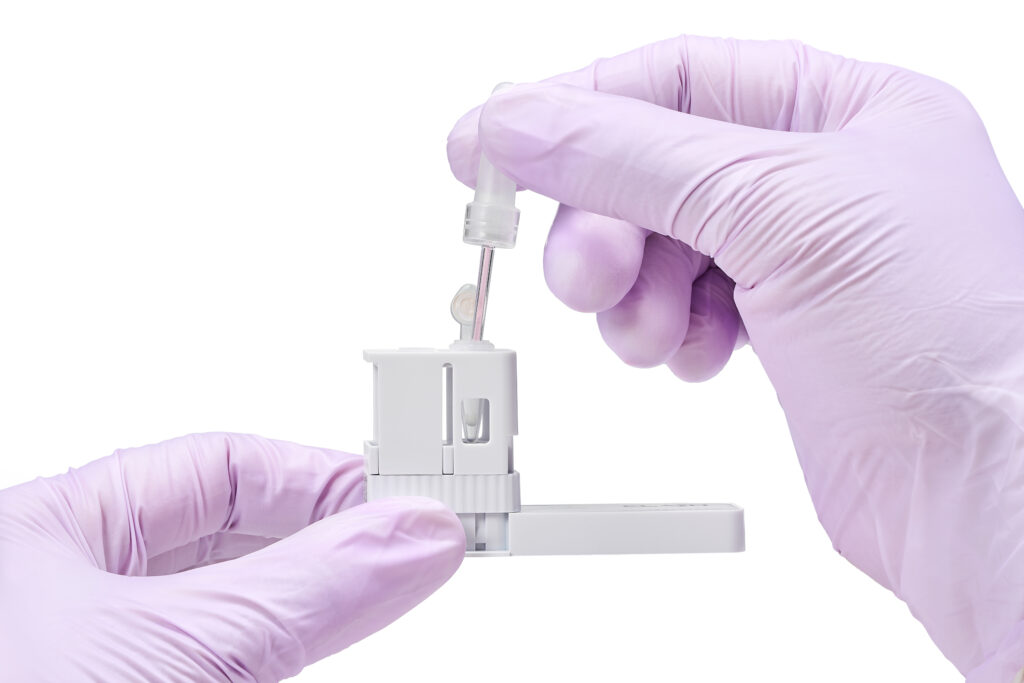
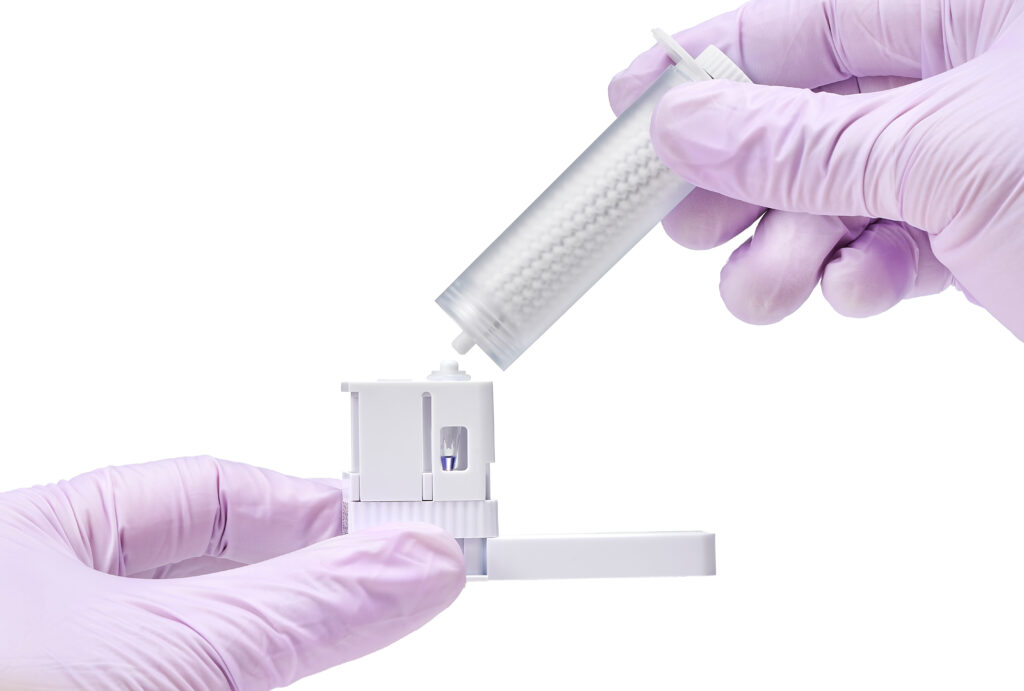
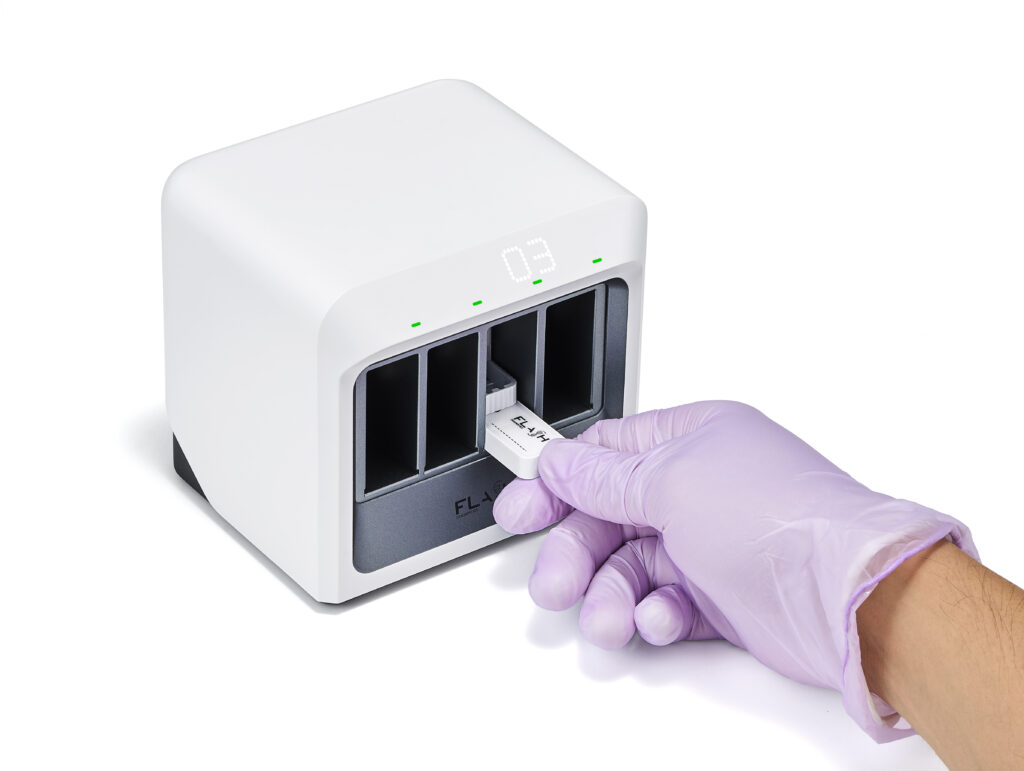
3. Activate the test cartridge and read the results
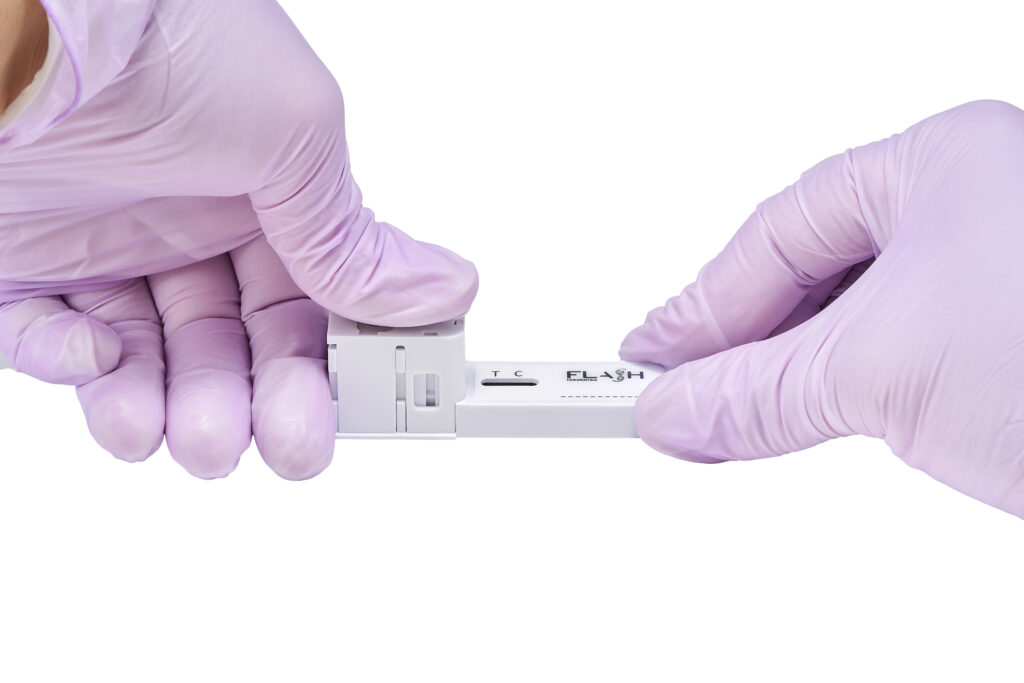
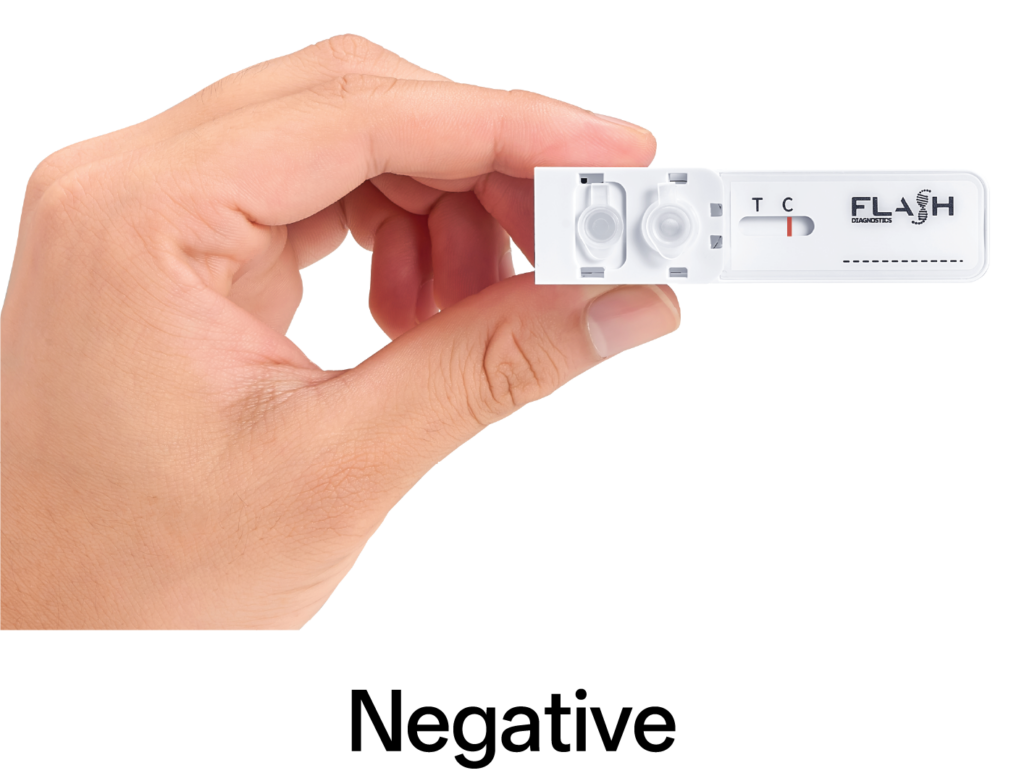
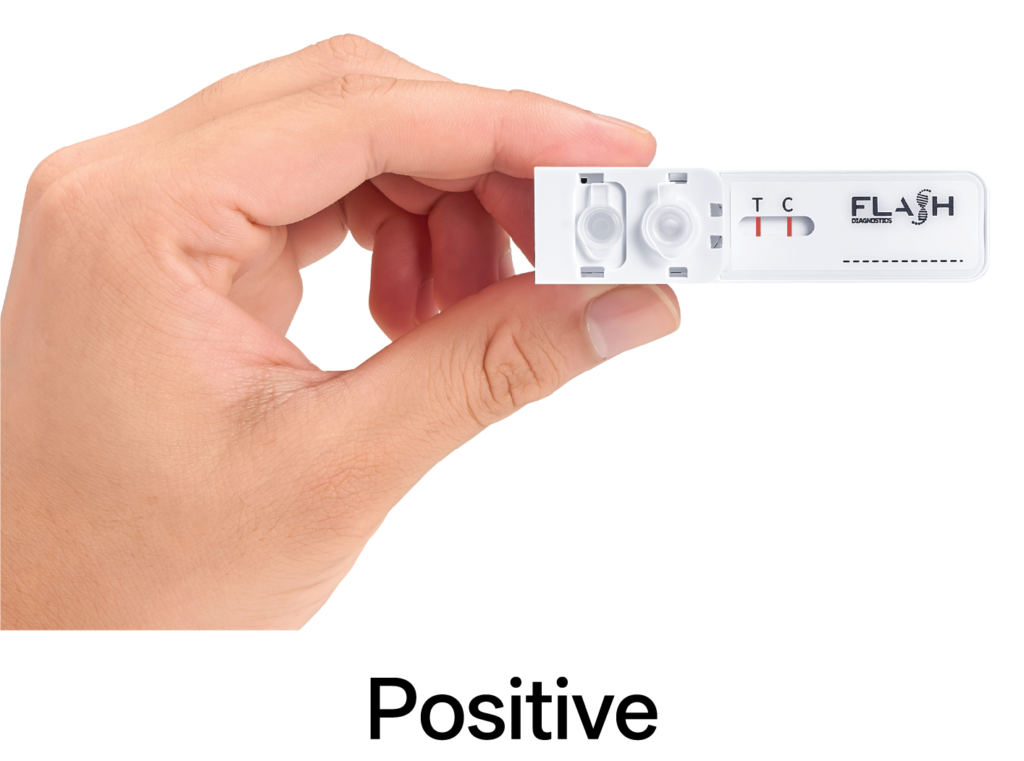
OR
General information
Target: Babesia canis canis
Species: Canine
Sample type: 50 μL EDTA blood
Result interpretation: Visual – lateral flow strip
Format: Single-use disposable test kit
Reagents: Lyophilized beads for isothermal amplification reaction
Hands-on sample preparation: 5 minutes + 5 minutes centrifugation
Reaction time: 30 minutes
Analytical limit of detection: 2,500 copies per reaction
Shelf life and storage: 12 months at room temperature