

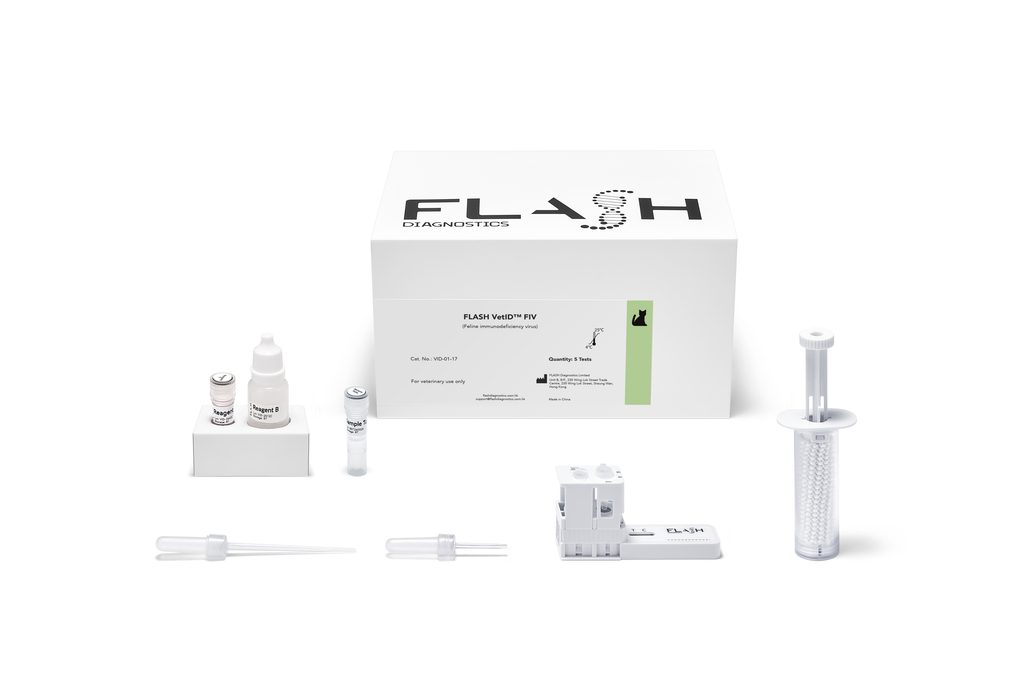
FLASH VetIDTM FIV
Fast test for the qualitative detection of cell-associated proviral DNA of Feline immunodeficiency virus (FIV) in whole blood of the cat.
- Detects integrated, cell-associated FIV proviral DNA
- Not affected by maternal or vaccine-induced antibodies
What is the total assay time for FLASH VetIDTM FIV?
The total assay time for FLASH VetIDTM FIV is 40 minutes. This refers to the complete duration required to perform the test.
What is the required sample for FLASH VetIDTM FIV?
The required sample for FLASH VetIDTM FIV is 50 μL EDTA whole blood. This specific sample type is necessary for accurate testing.
What is the recommended storage temperature for FLASH VetIDTM FIV?
The recommended storage temperature for FLASH VetIDTM FIV is room temperature. This ensures the stability and efficacy of the test kit.
What is the shelf life of FLASH VetIDTM FIV?
The shelf life of FLASH VetIDTM FIV is 12 months. This indicates the period during which the test kit remains effective when stored correctly.
What are the clinical suspicions that indicate FIV testing?
- Adult or older cats with outdoor access, fighting history, or bite-wound abscesses, especially intact males
- Chronic or recurrent gingivostomatitis or periodontitis
- Recurrent or unusually severe respiratory, skin, gastrointestinal or urinary infections
- Unexplained weight loss, recurrent fever, or generalised lymphadenopathy
- Unexplained cytopenias, lymphoma, or neurologic disease when retrovirus status is unknown
When is FIV testing recommended for screening or prevention programs?
- First presentation when FIV status is unknown and an immediate clinical or housing decision is needed
- Confirming infection after a positive antibody result, before assigning lifelong status
- Kittens under 6 months or FIV-vaccinated cats, where maternal or vaccine antibodies complicate antibody test results interpretation
- Strong clinical suspicion or recent exposure despite a negative antibody result
- Before breeding, donation, or multi-cat entry – pair with antibody testing for the most complete assessment
Pathogen and transmission
Feline immunodeficiency virus (FIV) is an enveloped RNA retrovirus of the genus Lentivirus. After infecting a leukocyte, viral RNA is reverse-transcribed and integrated into the host genome as proviral DNA, establishing lifelong infection. FIV occurs worldwide and spreads mainly through penetrating bite wounds that inoculate infected saliva and cells; vertical transmission and spread within stable, non-fighting households are uncommon.
Species-Specific Manifestations
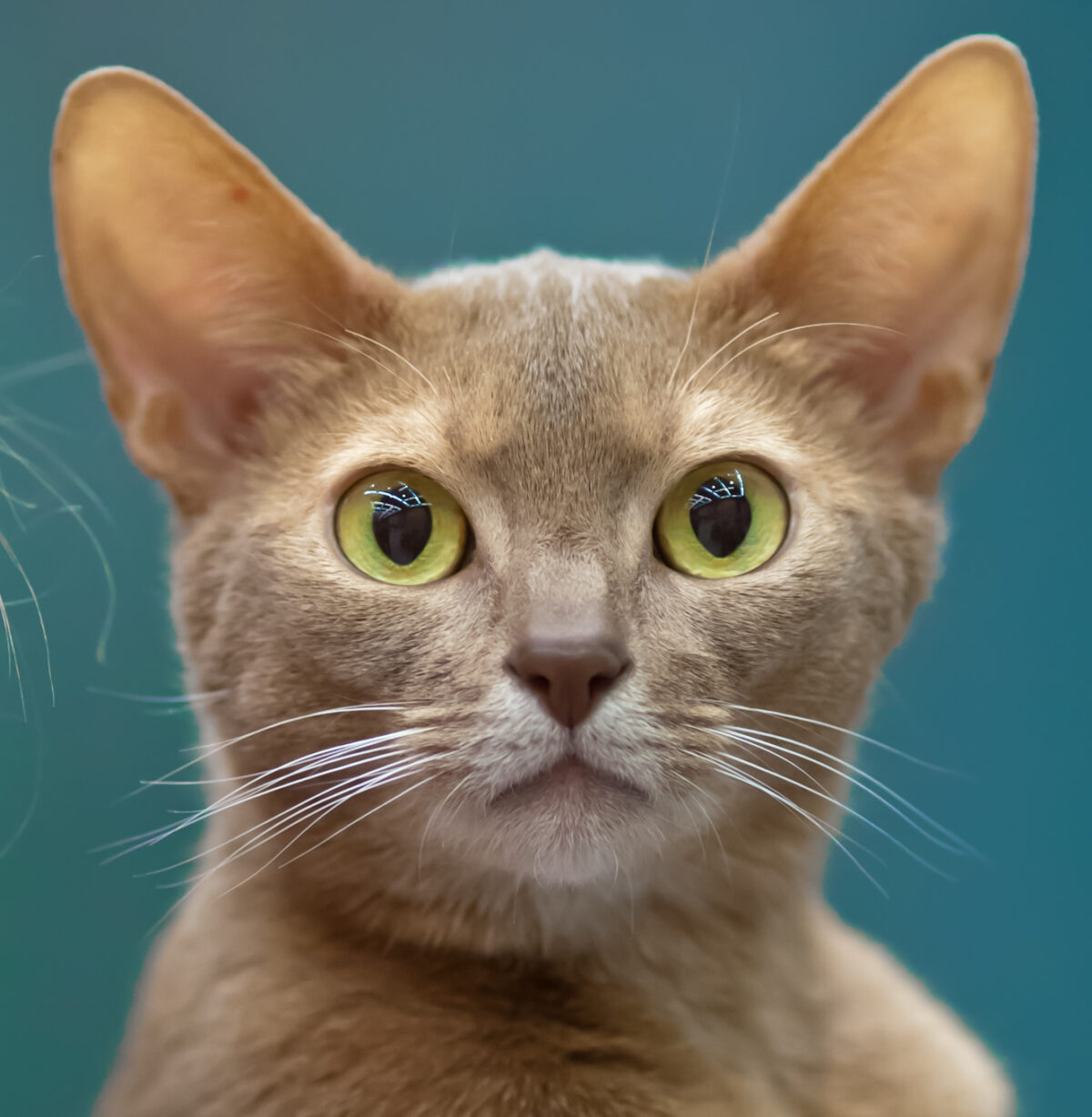
Acute infection may pass unnoticed, with transient fever, lymphadenopathy, and lymphopenia. The asymptomatic phase can last years, while the provirus remains present throughout. Progressive immune dysfunction can later predispose cats to chronic infections, gingivostomatitis, weight loss, neoplasia, and neurologic disease. Because these signs are often driven by secondary disease, establishing FIV status can change the diagnostic and management plan.
The Diagnostic Value Proposition
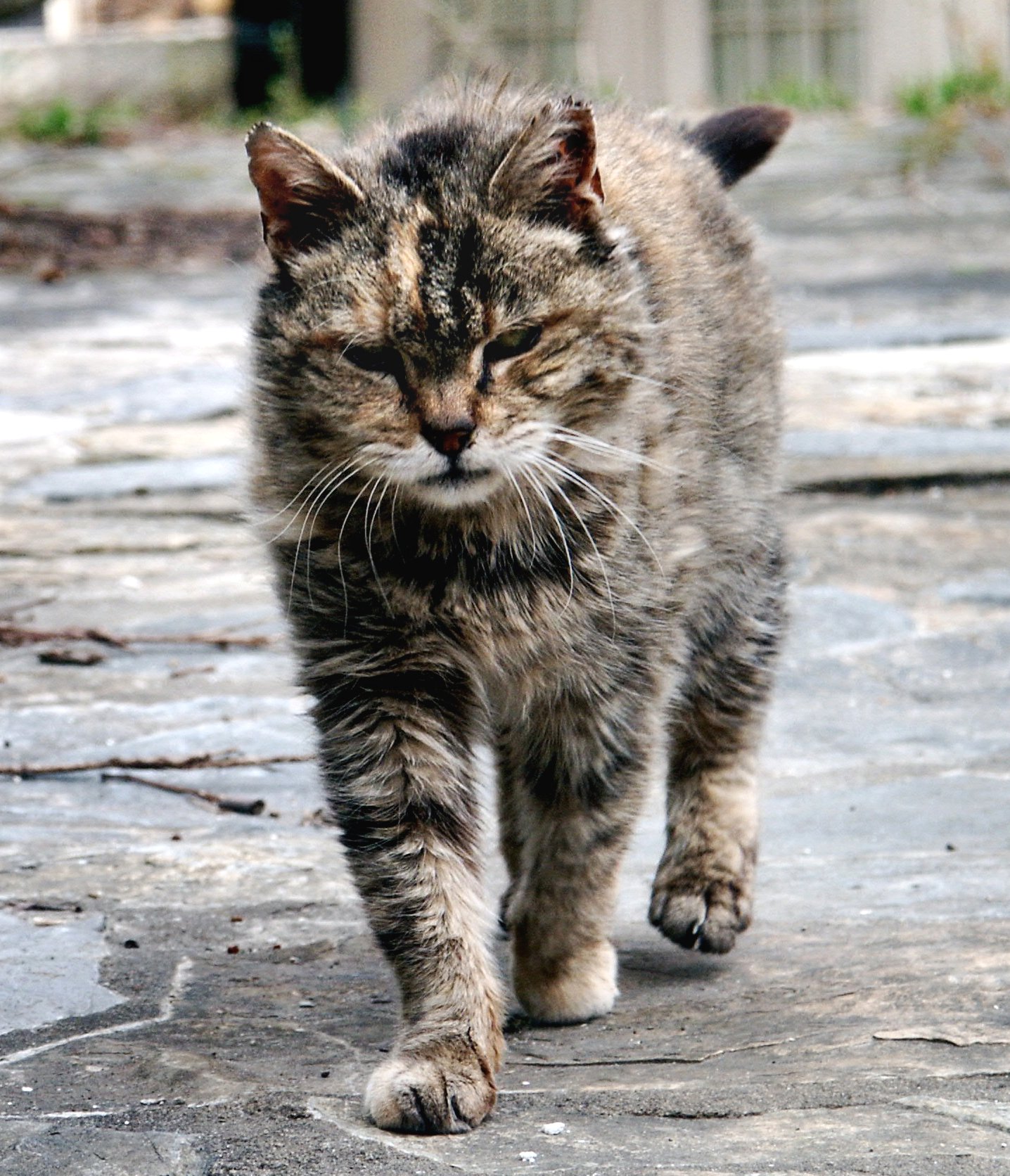
Because FIV is a lifelong proviral infection, integrated DNA is the most direct molecular target for confirming it – detecting the virus itself rather than inferring status from antibody response. This closes real antibody blind spots: maternal or vaccine-induced antibodies can cause antibody-positive results without infection, while early infection can produce antibody-negative results despite true infection. Whole blood is essential because the target is cell-associated – serum or plasma remove most of the infected leukocytes that carry it and viral RNA may be very low during latent or asymptomatic infection.
Overall workflow
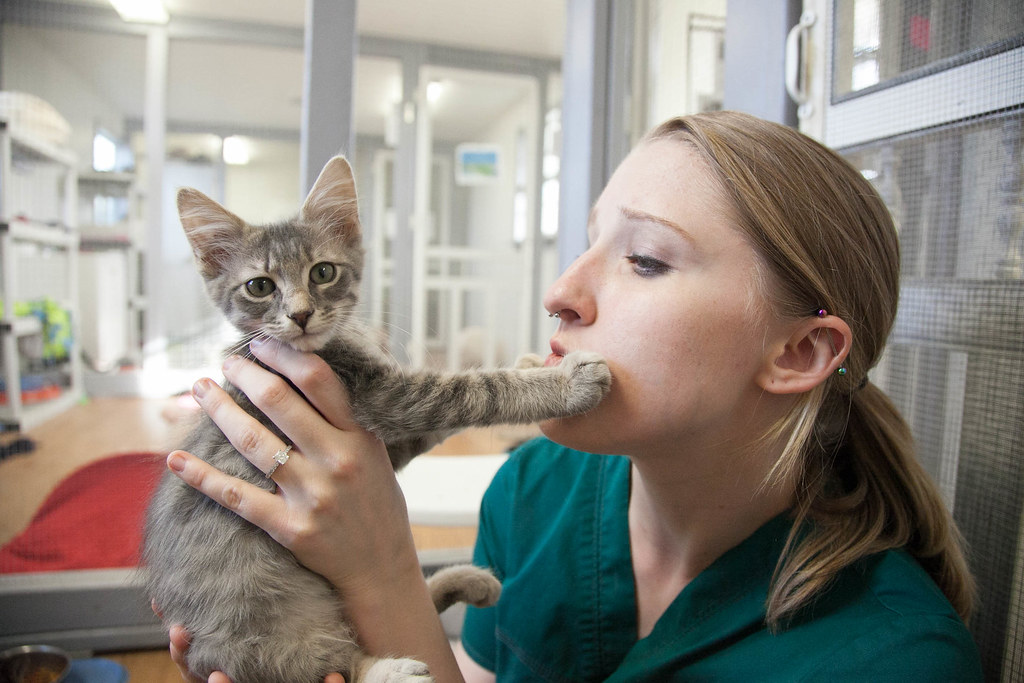
1. Prepare the sample in 10 minutes with the SampleDirect cartridge
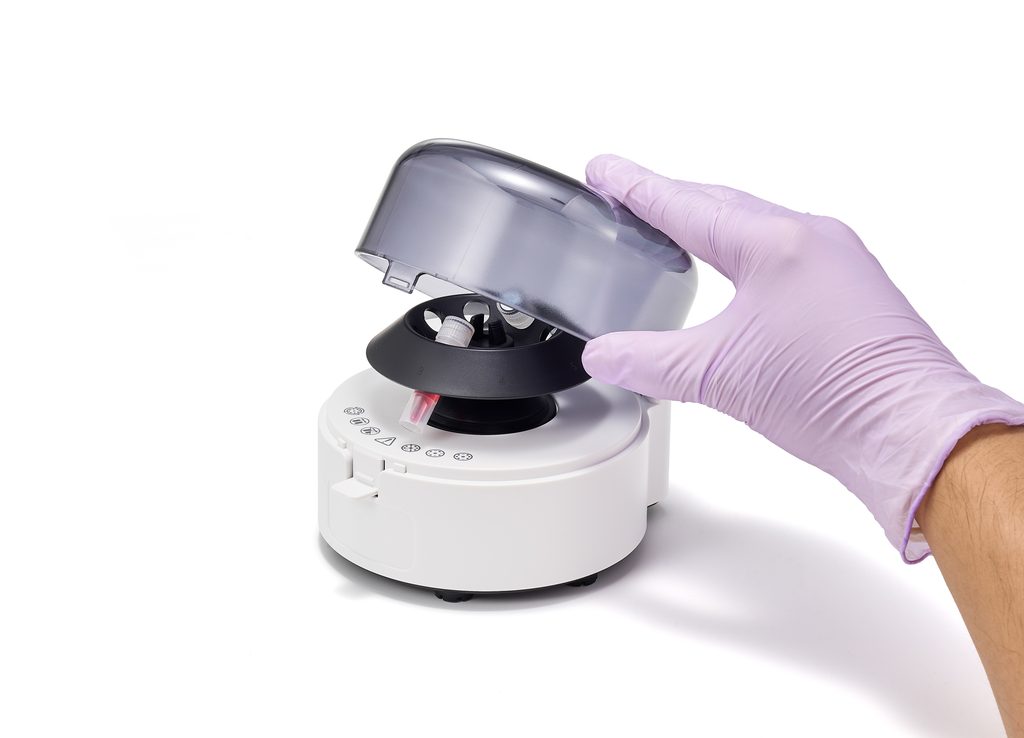
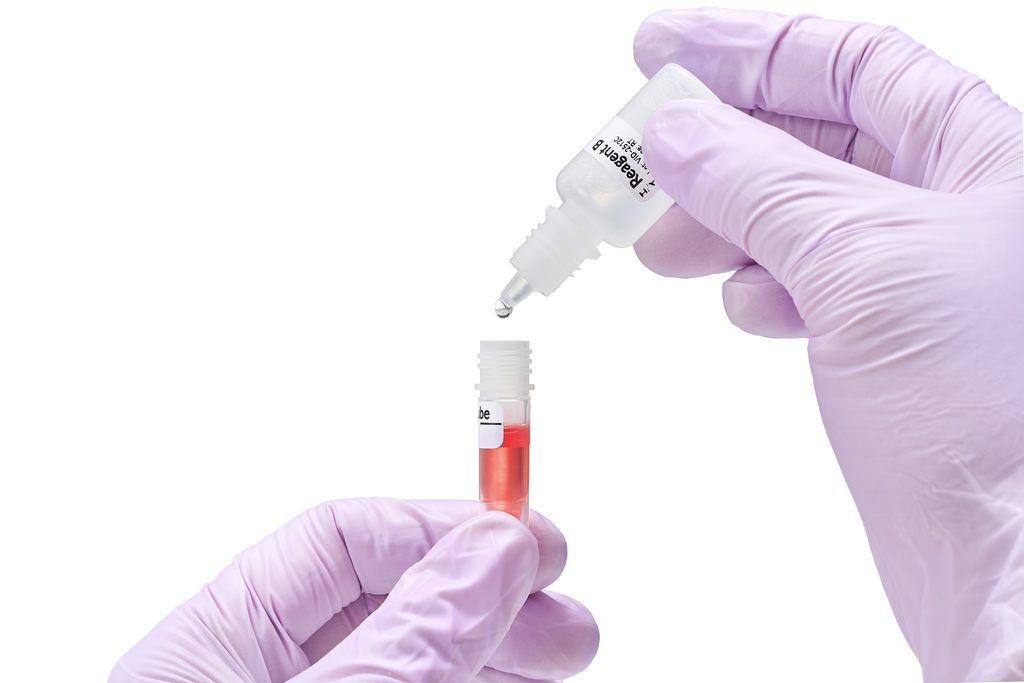
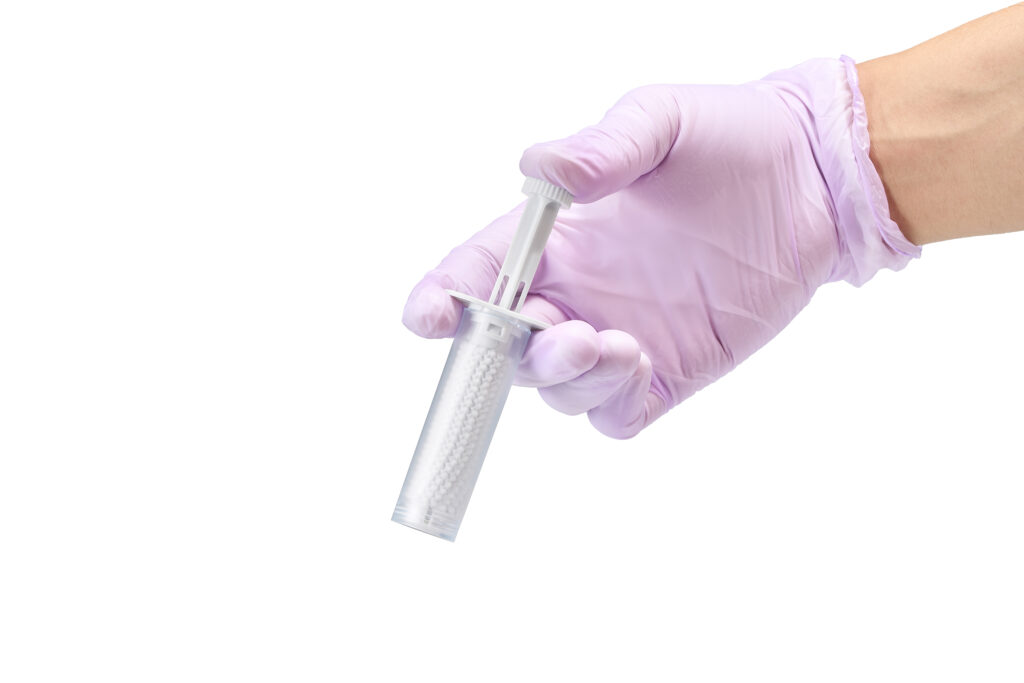
2. Transfer sample into the test cartridge and run it on the FLASH BaseTM
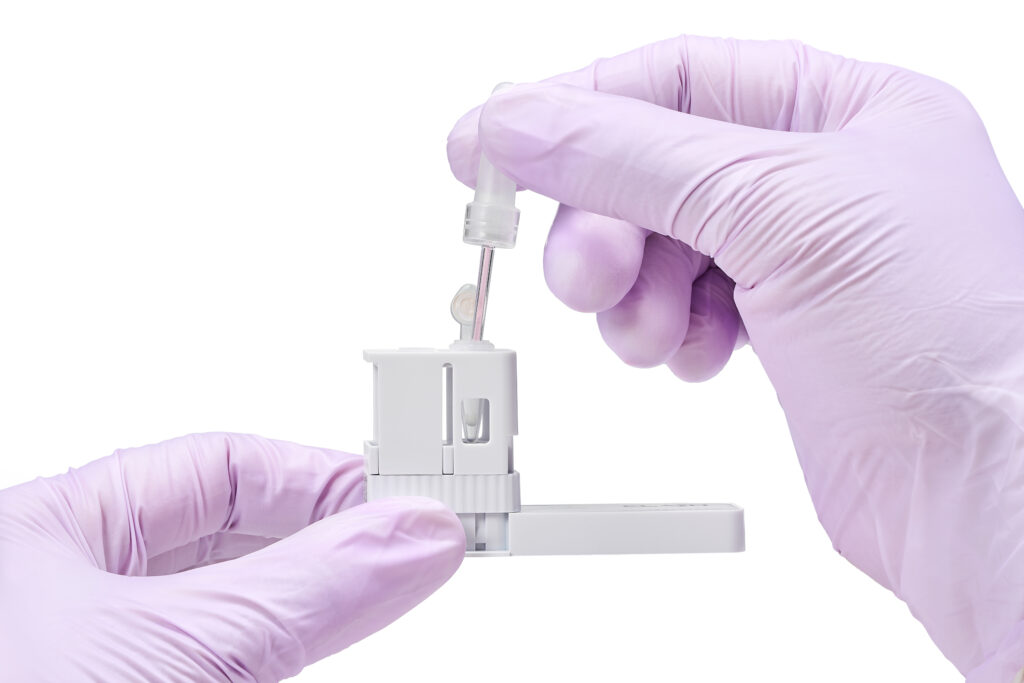
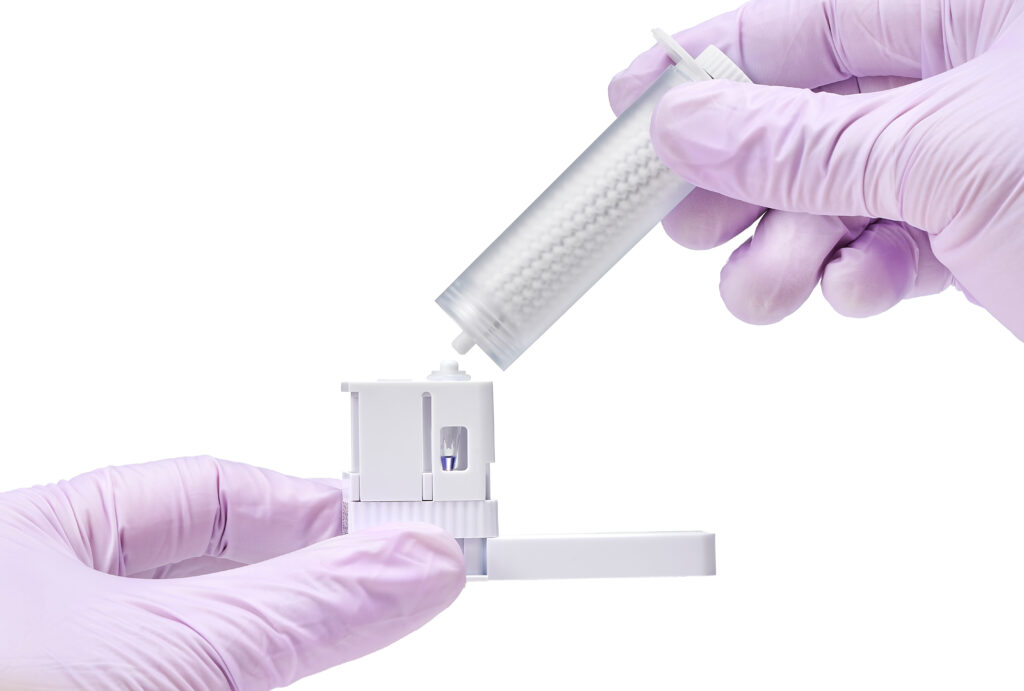
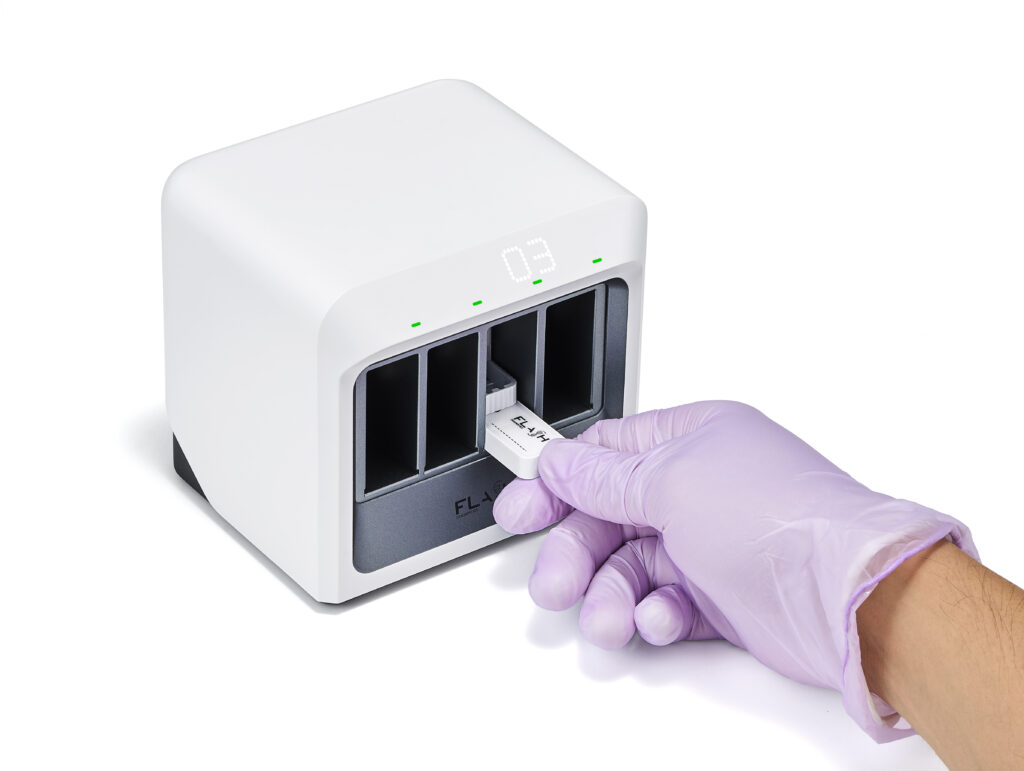
3. Activate the test cartridge and read the results
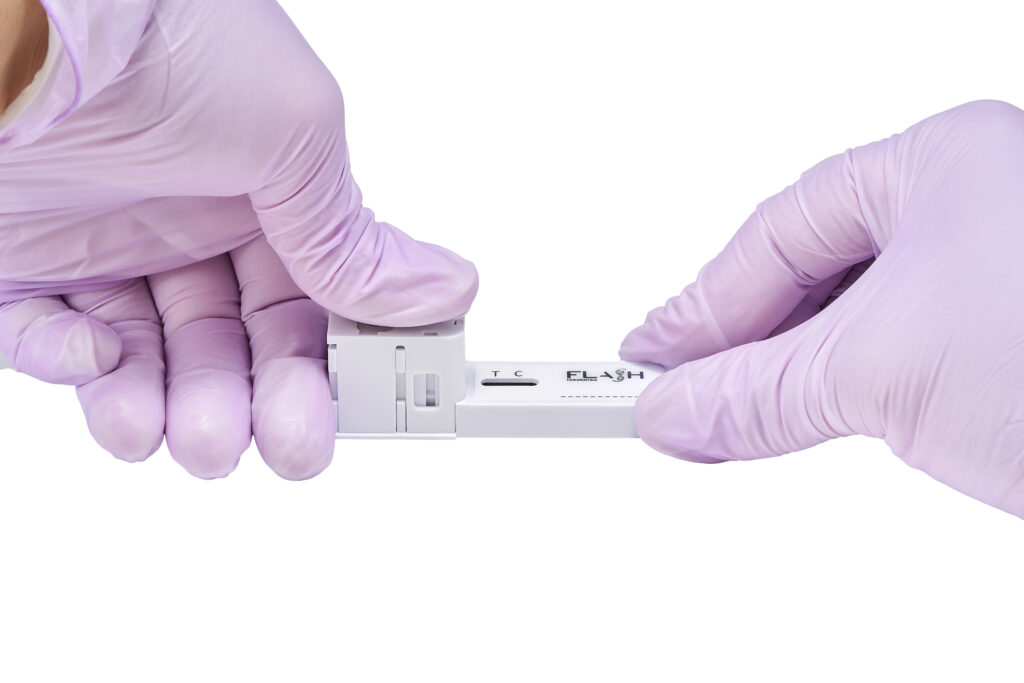
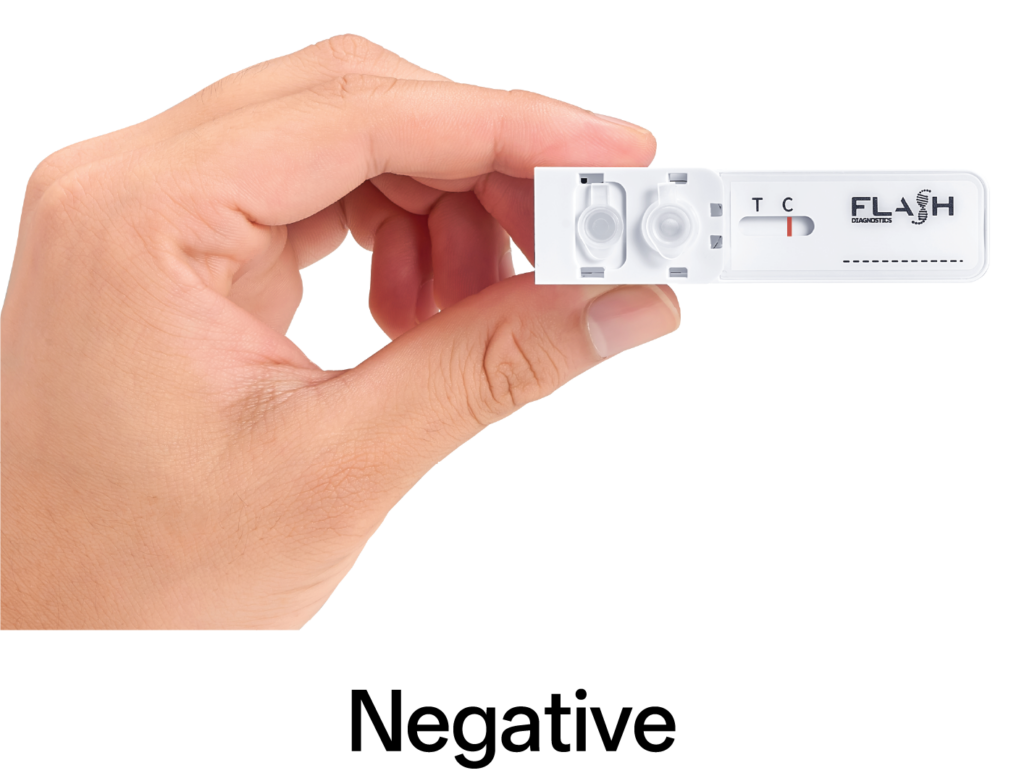
OR
General information
Target: Feline immunodeficiency virus
Species: Feline
Sample type: 50 μL EDTA blood
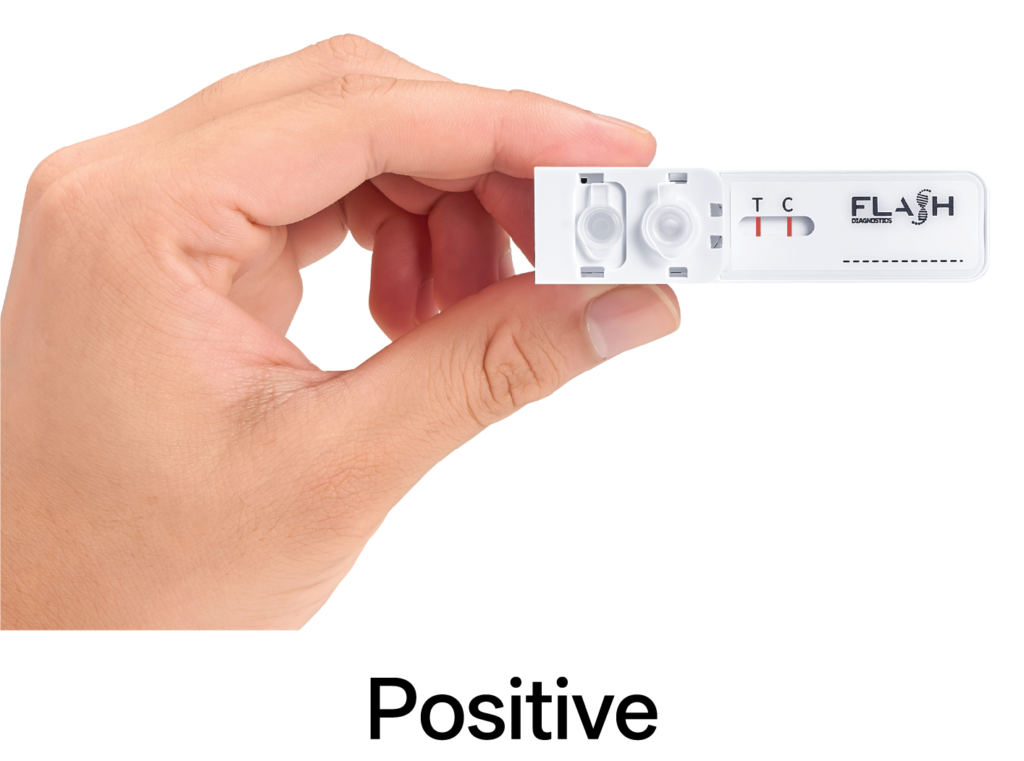
Result interpretation: Visual – lateral flow strip
Format: Single-use disposable test kit
Reagents: Lyophilized beads for isothermal amplification reaction
Hands-on sample preparation: 5 minutes + 5 minutes centrifugation
Reaction time: 30 minutes
Analytical limit of detection: 2,000 copies per reaction
Shelf life and storage: 12 months at room temperature