

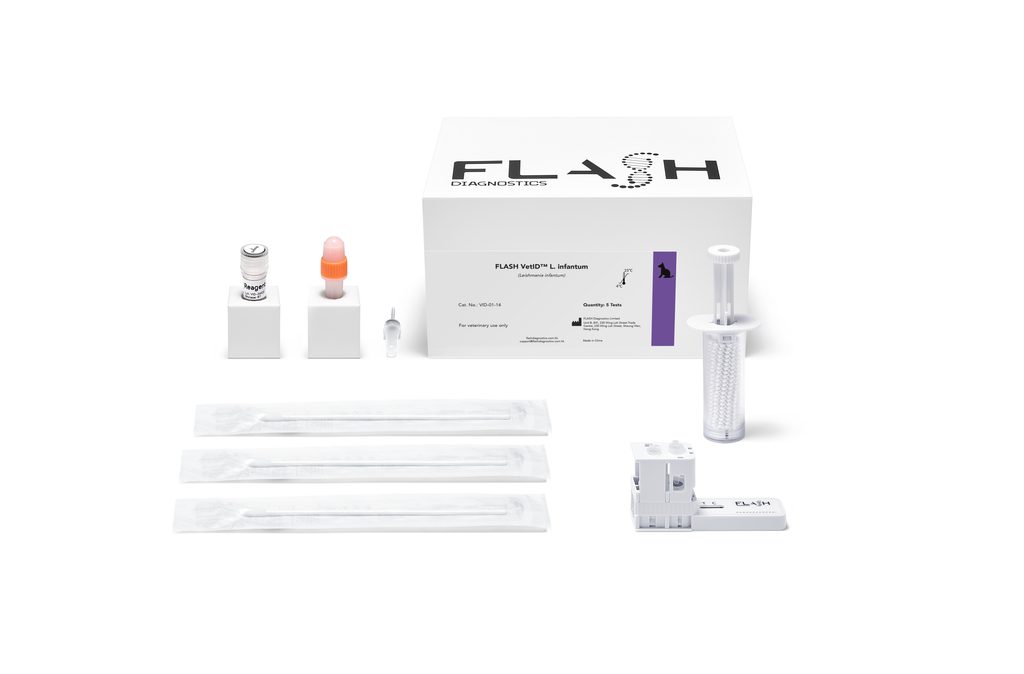
What is FLASH VetIDTM L. infantum and what does it detect?
Fast test for the qualitative detection of DNA of Leishmania infantum in lymph node aspirates or skin ulcer swab of the dog.
- Sample: lymph node fine needle aspirate (FNA) or skin ulcer swab
- Supports longitudinal disease management
What is the total assay time for FLASH VetIDTM L. infantum?
The total assay time for the FLASH VetIDTM L. infantum test is 35 minutes, providing rapid results for canine Leishmania infantum detection.
What does the FLASH VetIDTM L. infantum test detect?
The FLASH VetIDTM L. infantum test detects parasite DNA, specifically for Leishmania infantum, providing a direct method for identifying the pathogen.
What are the storage requirements for FLASH VetIDTM L. infantum?
The FLASH VetIDTM L. infantum test kit requires storage at room temperature, ensuring ease of handling and accessibility.
What is the shelf life of FLASH VetIDTM L. infantum?
The shelf life of the FLASH VetIDTM L. infantum test kit is 12 months, ensuring a long usability period.
Clinical suspicion:
- Exfoliative or ulcerative dermatitis, especially over the face, ear tips, and pressure points
- Generalised lymphadenomegaly with weight loss and lethargy
- Onychogryphosis (excessively long, brittle claws)
- Progressive renal signs – polyuria/polydipsia, proteinuria – in chronic disease
- Epistaxis, ocular lesions (uveitis, blepharitis), or lameness in advanced cases
Screening / prevention programs:
- Annual testing of dogs resident in or travelling to endemic Mediterranean and expanding regions
- Pre-breeding screening, as vertical and venereal transmission have been reported
- Screening of imported or rehomed dogs from endemic areas before introduction to a household or kennel
- Baseline and periodic monitoring of subclinically infected dogs to catch progression early
Pathogen and transmission
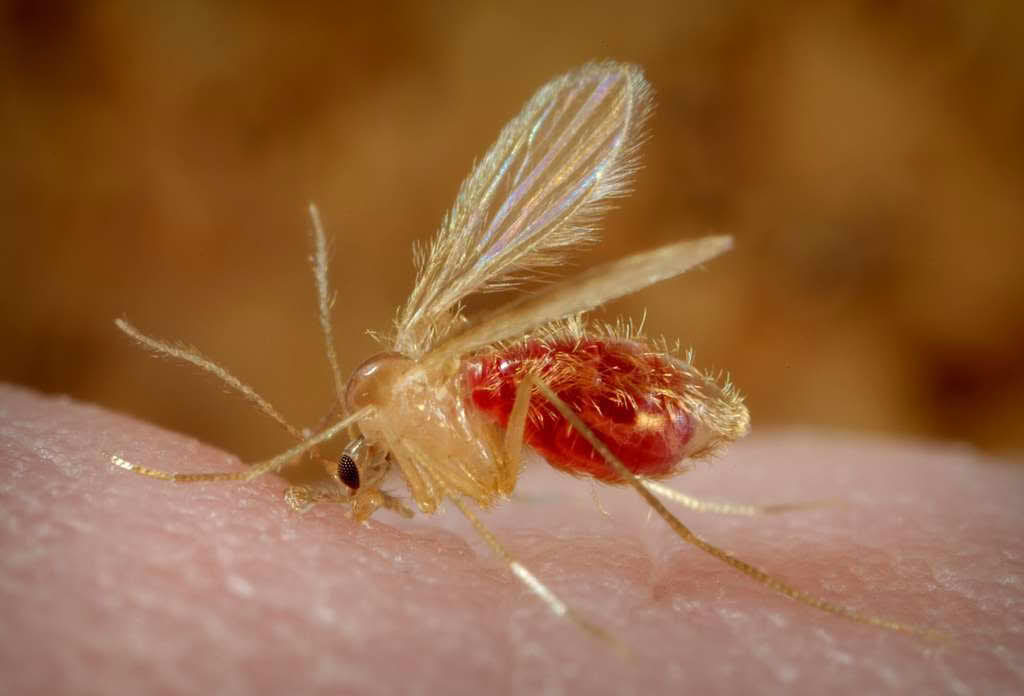
Leishmania infantum is a vector-borne protozoan parasite transmitted principally by the bite of infected female Phlebotomus sandflies. It is endemic across the Mediterranean basin and increasingly reported beyond its traditional range, tracking vector distribution. Vertical (transplacental), venereal, and blood-transfusion transmission have also been documented, so a dog’s infection status can matter even outside sandfly season. Canine leishmaniosis is also an important zoonosis: dogs are the principal reservoir for human visceral leishmaniasis in endemic regions.
Species-Specific Manifestations
Clinical presentation in dogs is notably variable, ranging from subclinical infection to severe multisystemic disease. Cutaneous signs (exfoliative dermatitis, ulcers, onychogryphosis) and generalised lymphadenomegaly are classic early findings; progressive immune-complex glomerulonephritis and chronic kidney disease are the major causes of morbidity and mortality in advanced cases. Clinical staging (per LeishVet-type guidelines) drives treatment intensity and prognosis, so distinguishing exposure from active infection is central to case management.
The Diagnostic Value Proposition
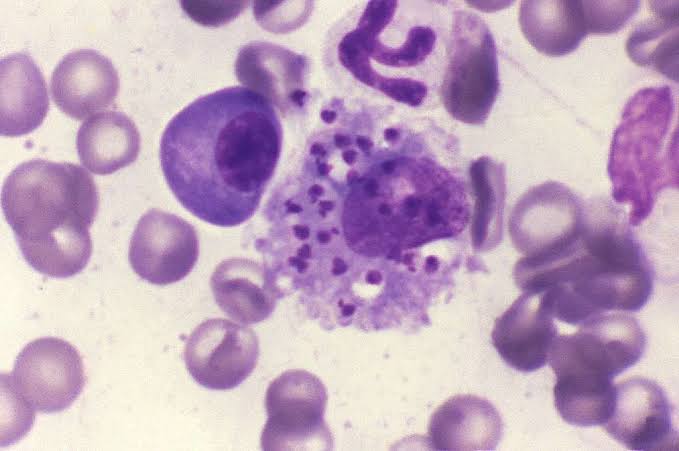
Serology detects antibody exposure but cannot reliably distinguish current infection from past exposure, and titres can lag behind early infection. FLASH VetIDTM L. infantum identifies the parasite itself, valuable in early or localised disease before seroconversion, in immunosuppressed dogs with blunted antibody responses, and for gauging parasite burden alongside quantitative serology. Lymph node aspirate or skin swabs from an affected site are the preferred samples. Assay sensitivity is much lower in urine and blood.
Overall workflow
1. Prepare the sample in 5 minutes with the SampleDirect cartridge
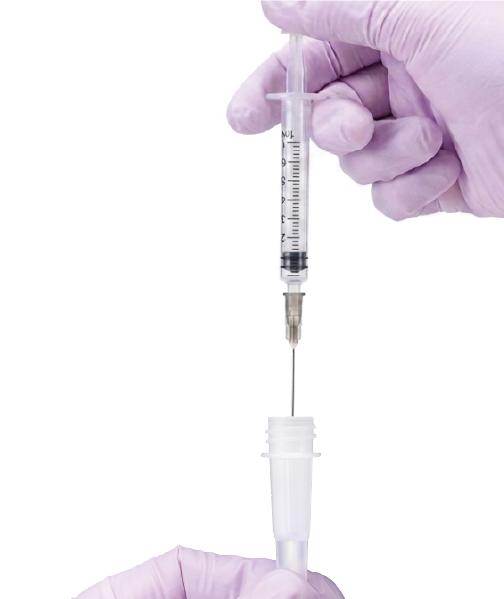
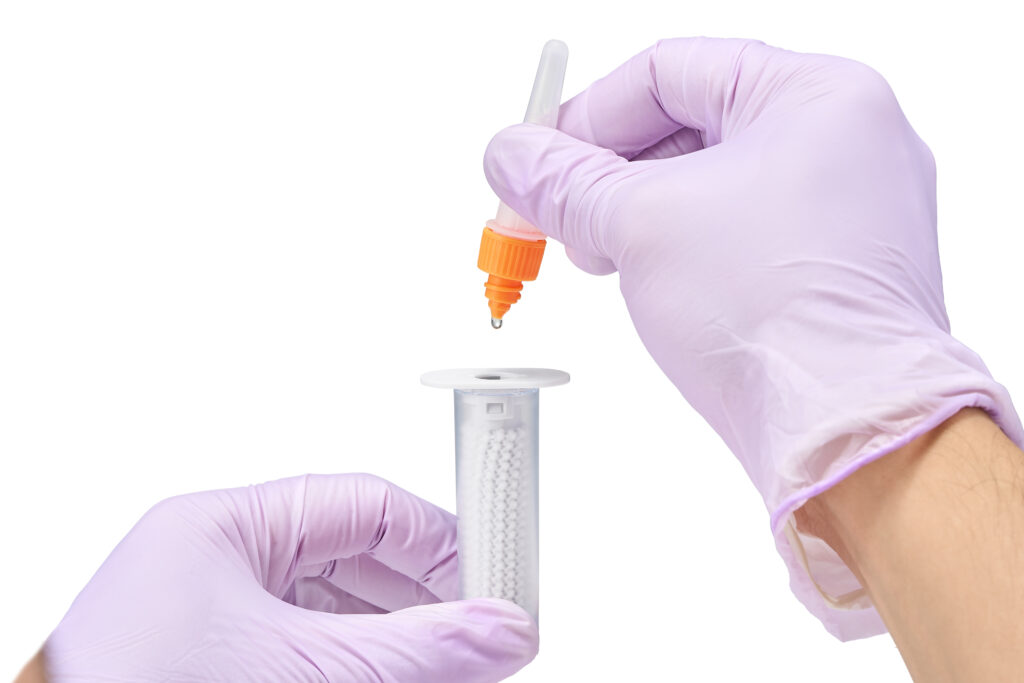
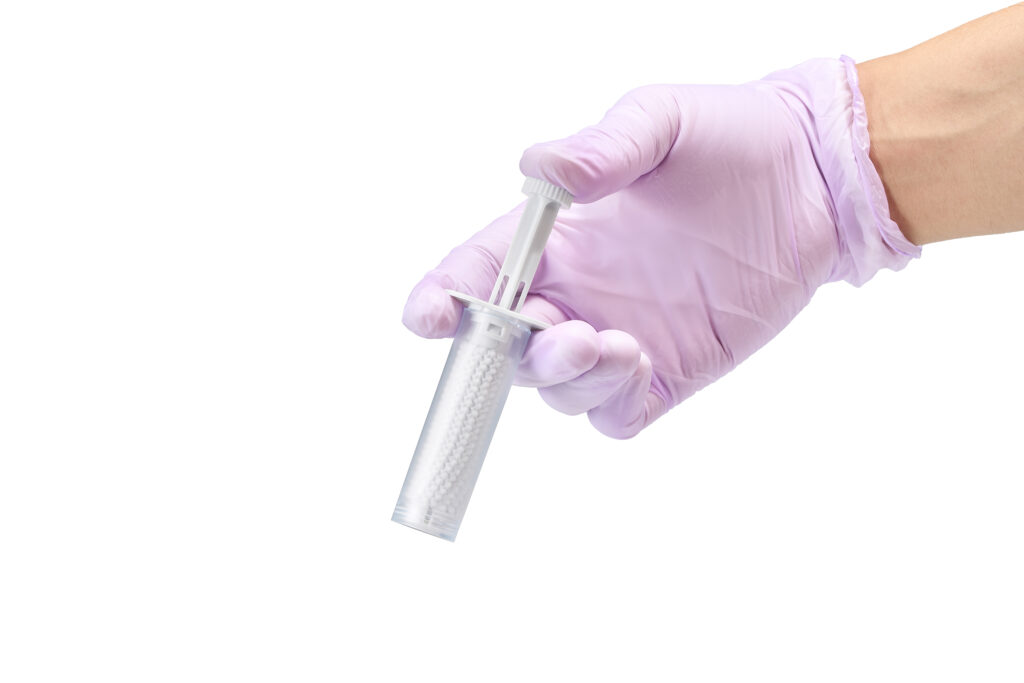
2. Transfer sample into the test cartridge and run it on the FLASH BaseTM
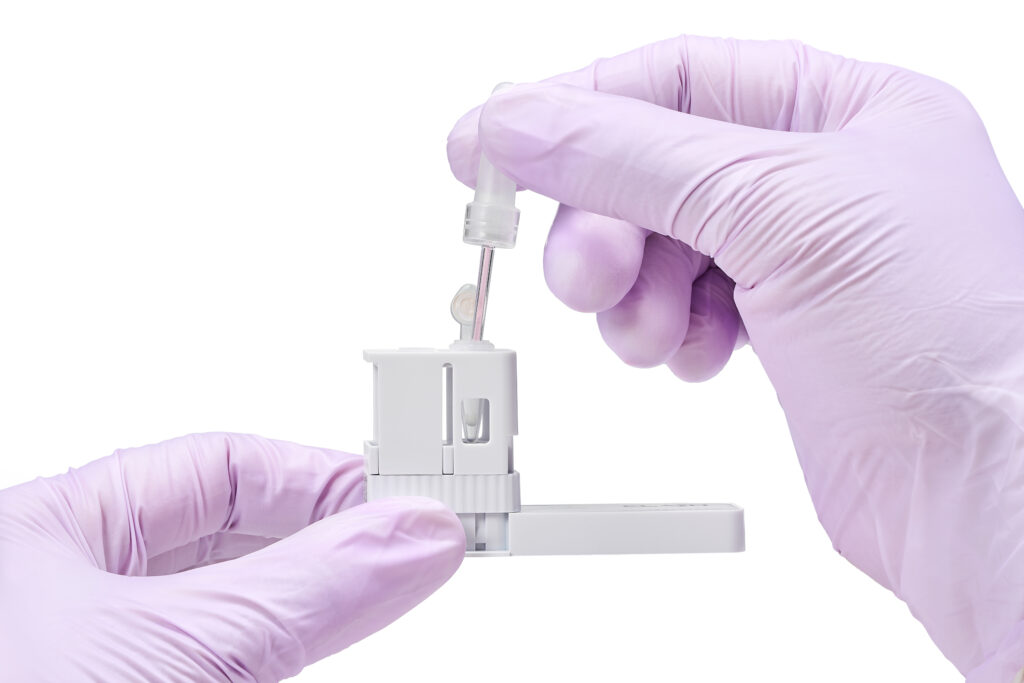
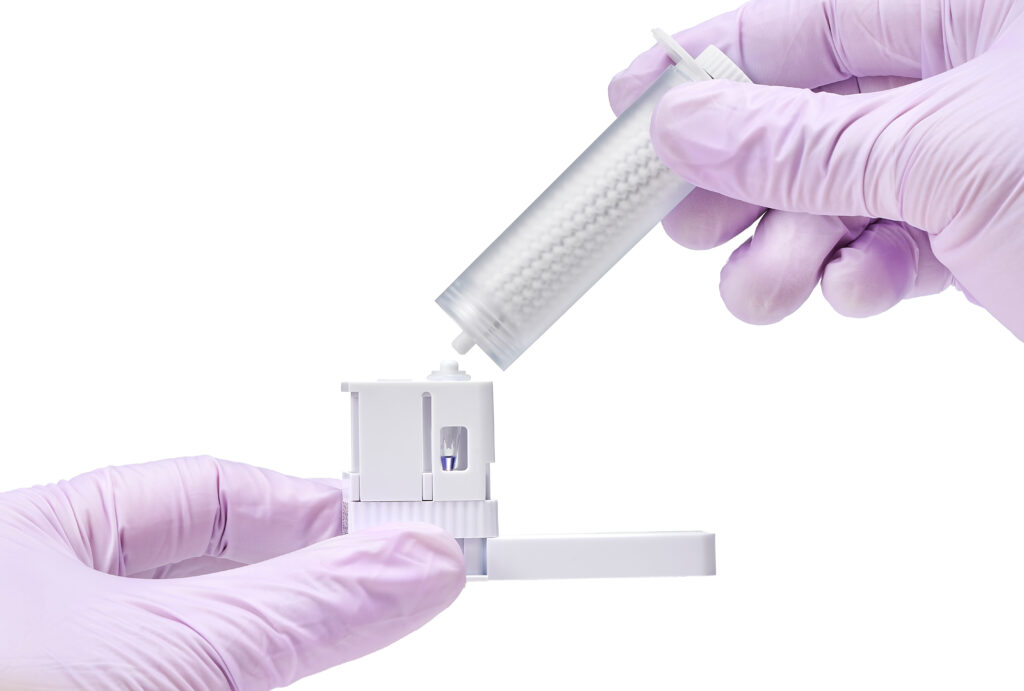
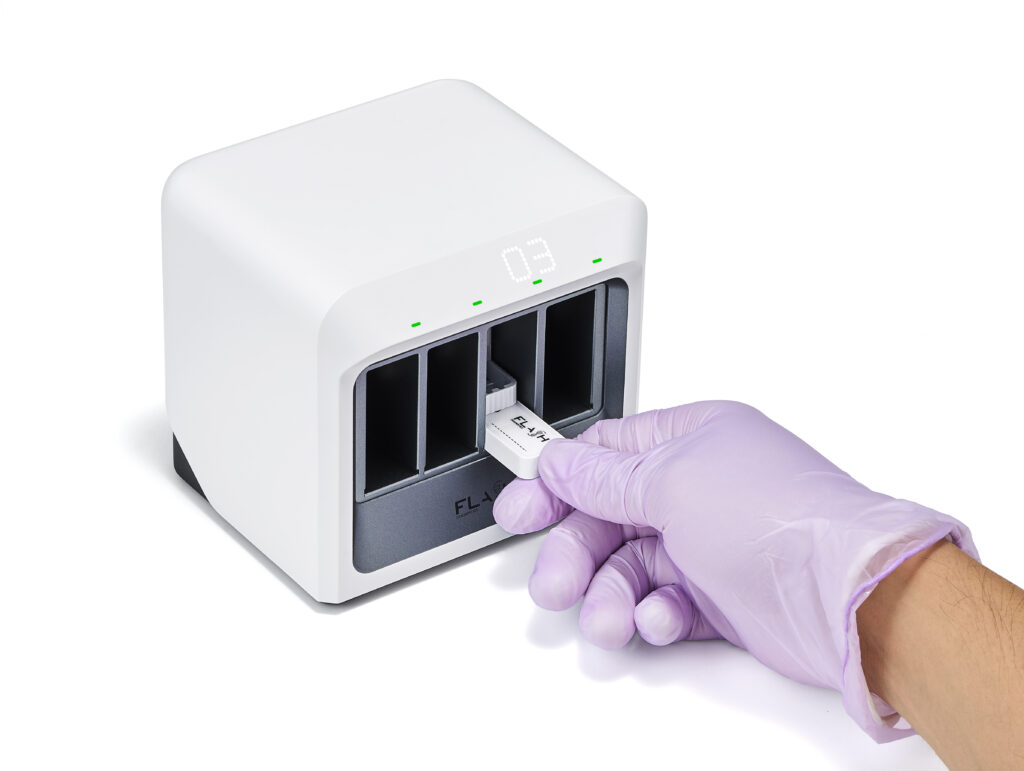
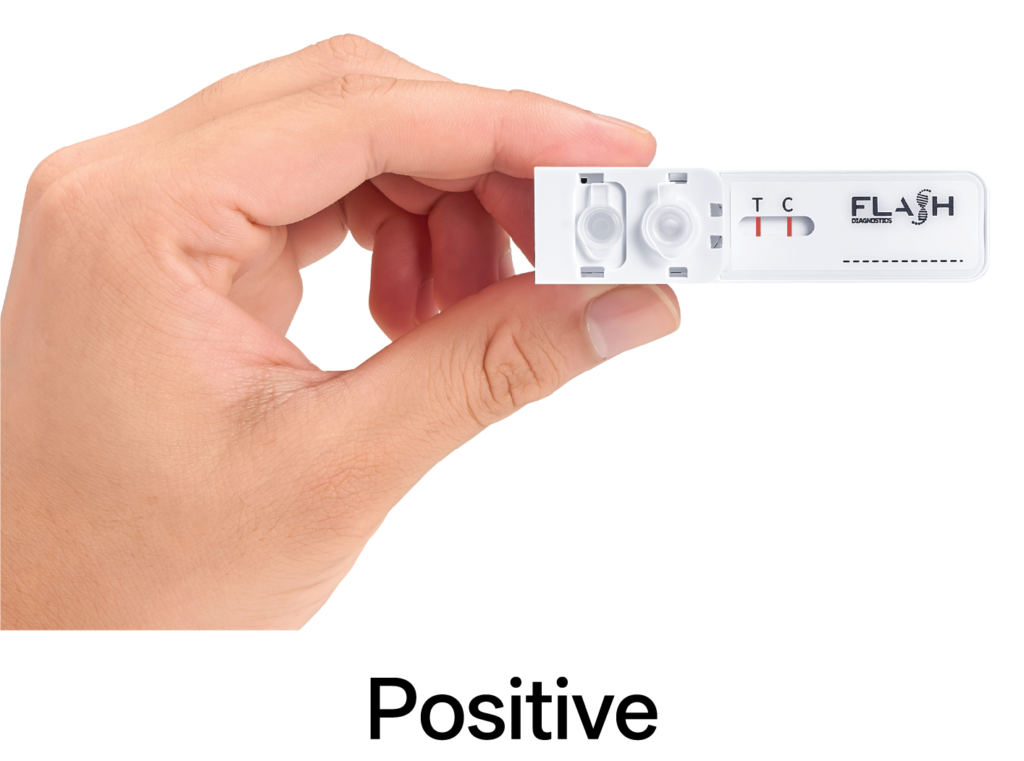
3. Activate the test cartridge and read the results
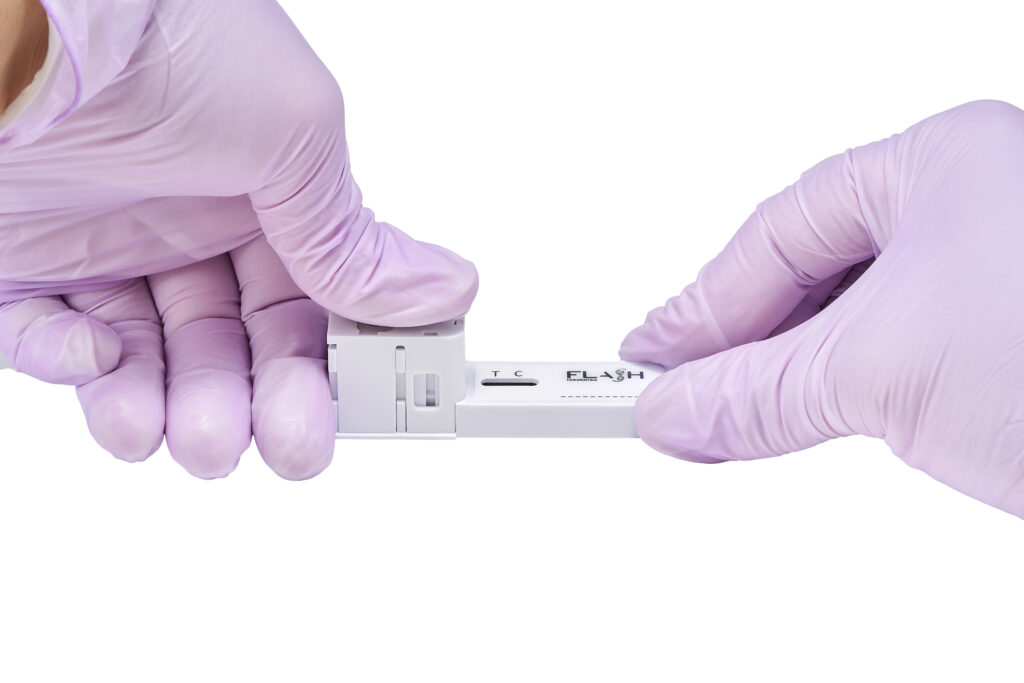
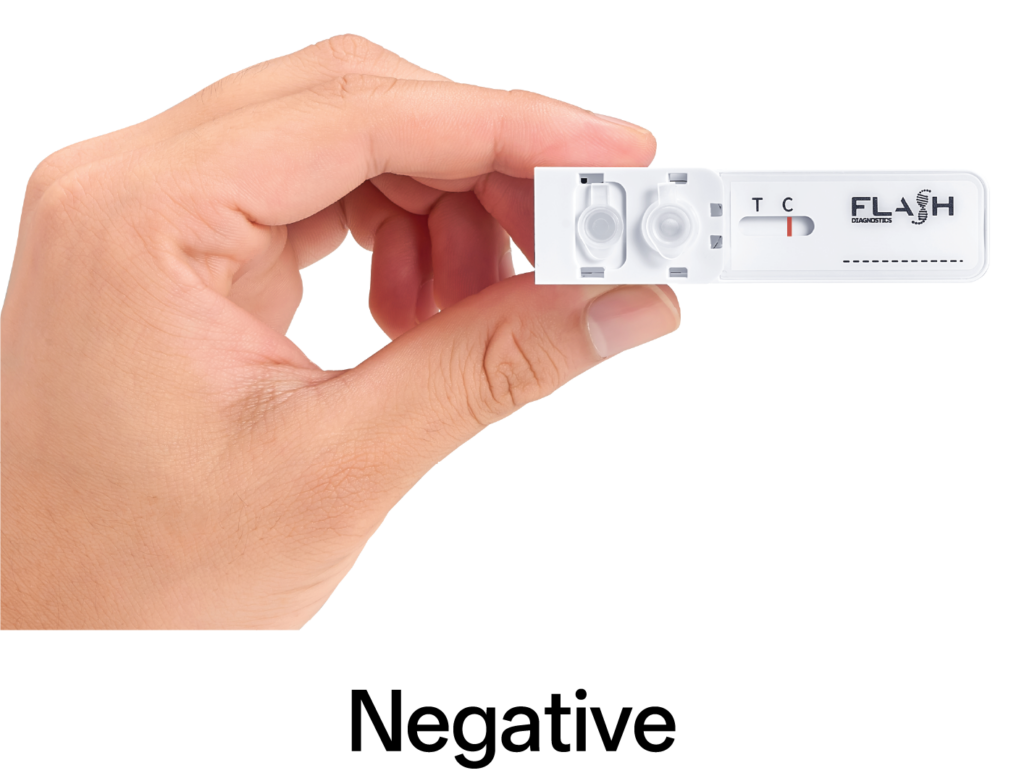
OR
General information
Target: Leishmania infantum
Species: Canine
Sample type: Fine needle aspirate (without suction) or skin ulcer swab
Result interpretation: Visual – lateral flow strip
Format: Single-use disposable test kit
Reagents: Lyophilized beads for isothermal amplification reaction
Hands-on sample preparation: 5 minutes
Reaction time: 30 minutes
Analytical limit of detection: 2,000 copies per reaction
Shelf life and storage: 12 months at room temperature