

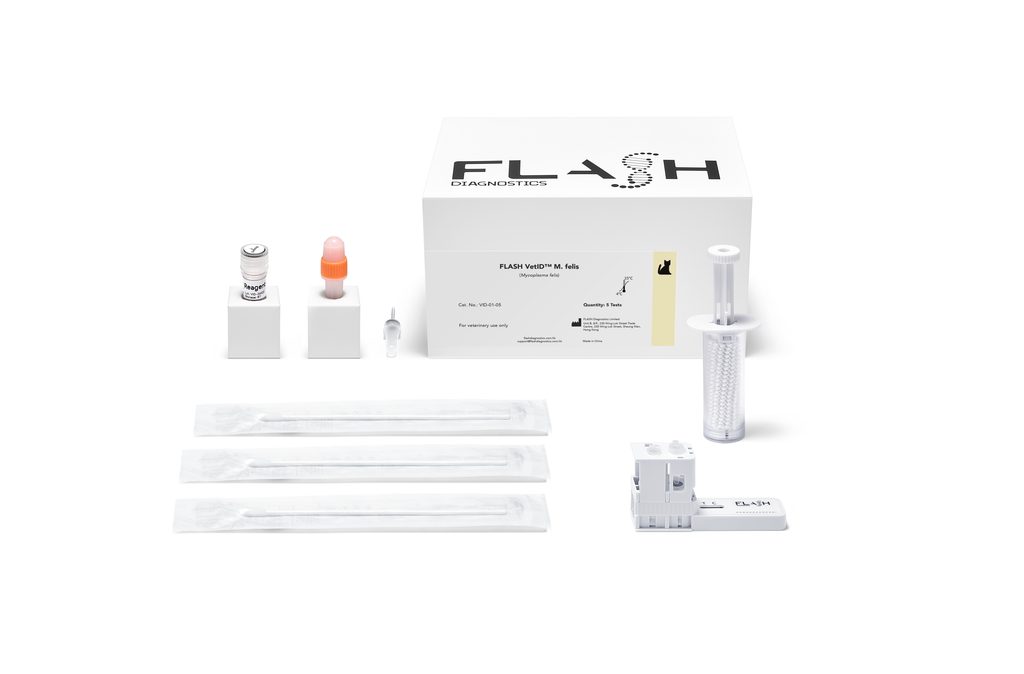
FLASH VetIDTM M. felis
Fast test for the qualitative detection of DNA of Mycoplasma felis in conjunctival, nasal, and oropharyngeal swabs of the cat.
- Aids in antibiotic course duration decision
- Sensitivity 91.23% & specificity 100.00% (n=324)
- Sample: Oropharyngeal swab (essential); add a conjunctival or nasal swab if secretions are present
35
minutes
Total assay time
Detect
bacterial DNA
Test
Room
temperature
Storage
12
months
Shelf life
Clinical suspicion:
- Serous-to-mucopurulent ocular discharge poorly responsive to routine treatment
- Concurrent mild upper respiratory signs (sneezing, nasal discharge)
- Lower respiratory signs (cough, dyspnoea) in kittens or immunocompromised cats
- Unilateral or bilateral conjunctivitis with chemosis and blepharospasm
- Recurrent conjunctivitis in a multi-cat household or cattery
Screening / prevention programs:
- New arrivals into catteries and shelters with a history of eye disease
- Chronic or recurrent conjunctivitis work-up alongside Chlamydia felis and FHV-1
- Cats under stress or immunosuppression (concurrent FeLV/FIV, corticosteroid therapy)
- Cattery-level screening where recurring conjunctivitis outbreaks are reported
Pathogen and transmission
M. felis is most often associated with URTD, where signs can include nasal and/or ocular discharge, sneezing, coughing, conjunctivitis, and chemosis, together with lethargy and anorexia. Conjunctivitis is one of several presenting signs, not a defining one. The organism is also implicated in lower respiratory tract infection and pneumonia, particularly in very young, elderly, or immunocompromised cats, as well as in pyothorax, keratitis, and mono- or polyarthritis.
Species-Specific Manifestations
Feline chlamydiosis is primarily a disease of the conjunctiva: infection classically begins unilaterally and progresses to bilateral, chemotic conjunctivitis with discharge, sometimes with mild rhinitis; systemic signs are uncommon. Young cats, particularly kittens between roughly five and twelve months of age raised in group settings, are disproportionately affected, and untreated infection can persist for weeks, contributing to ongoing transmission within a colony.
The Diagnostic Value Proposition
M. felis is fastidious and slow-growing in culture. Nucleic-acid detection by FLASH VetIDTM M. felis is faster and more sensitive than cytology, and distinguishes M. felis from Chlamydia felis or FHV-1 at the point of care. Both bacterial causes are treated with doxycycline, but the required course length differs: confirming which organism is involved avoids under-treating a mycoplasma infection that needs a longer systemic course to clear (typically 6 to 8 weeks compared to 4 weeks for C. felis, as per ABCD and similar guidelines).
Overall workflow
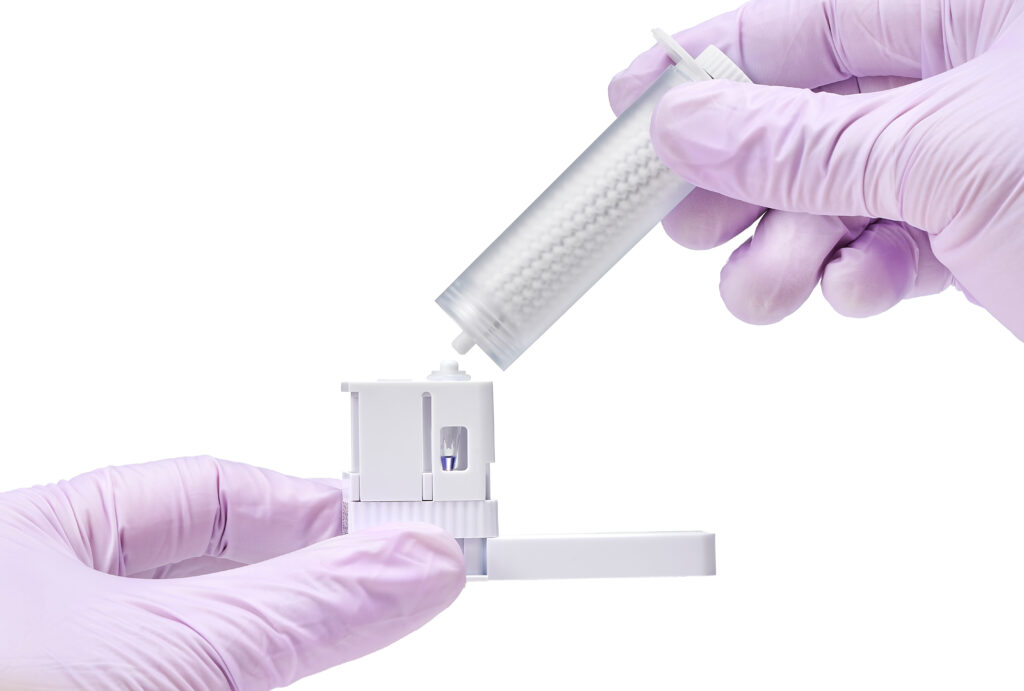
1. Prepare the sample in 5 minutes with the SampleDirect cartridge
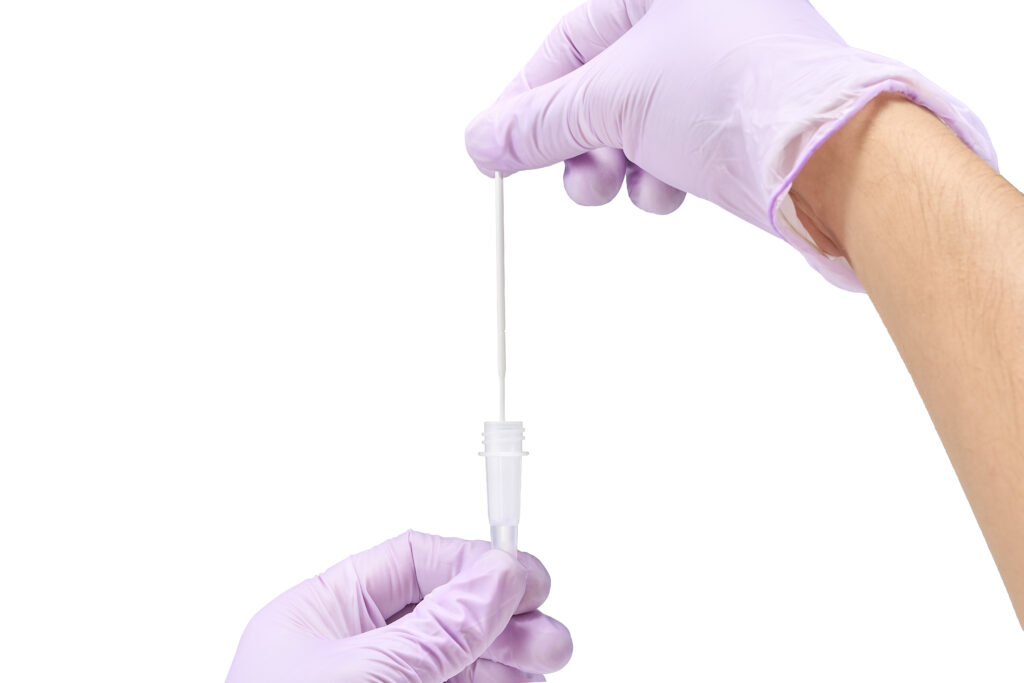
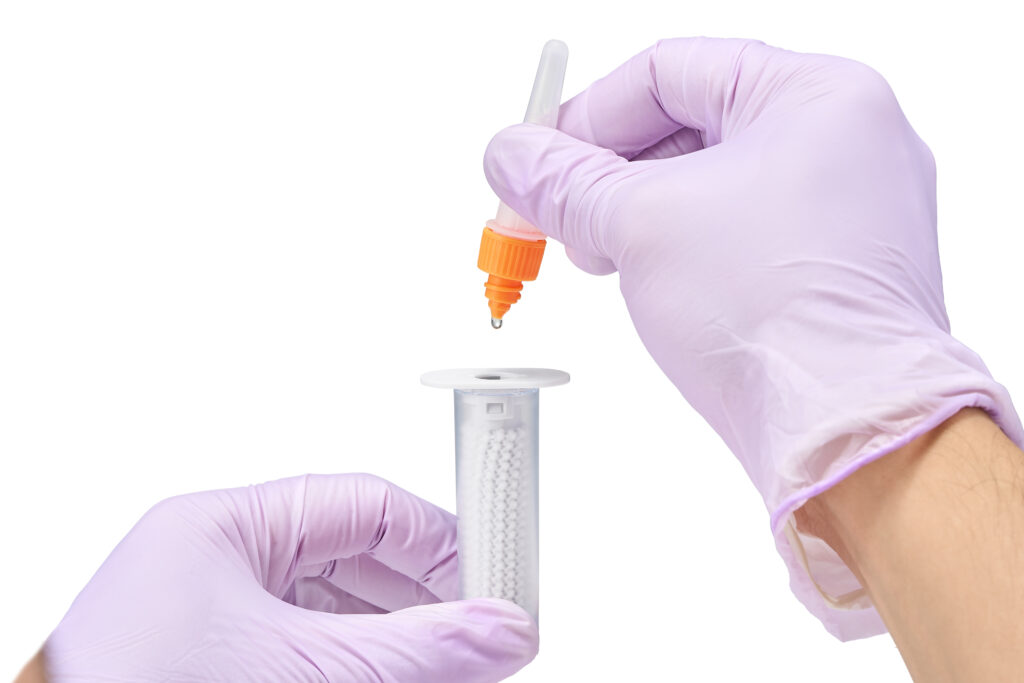
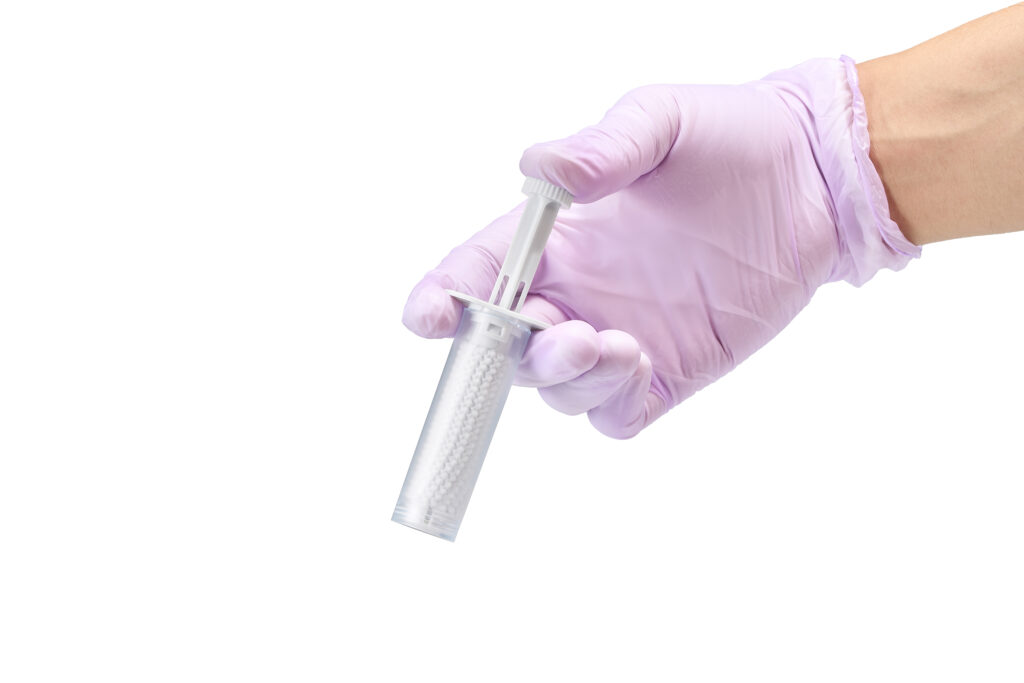
2. Transfer sample into the test cartridge and run it on the FLASH BaseTM
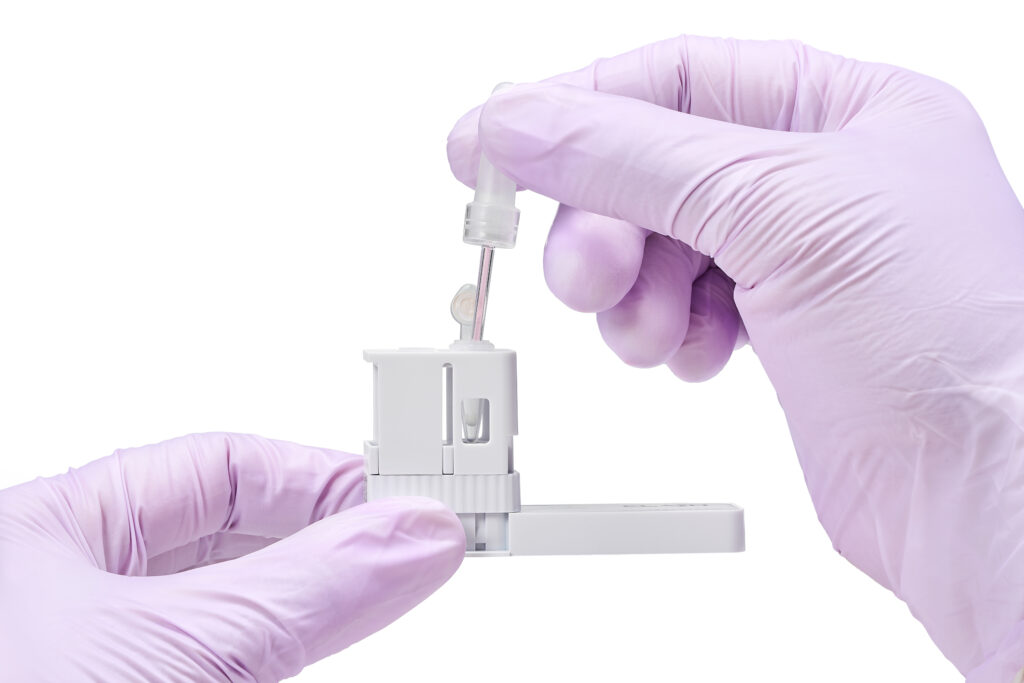
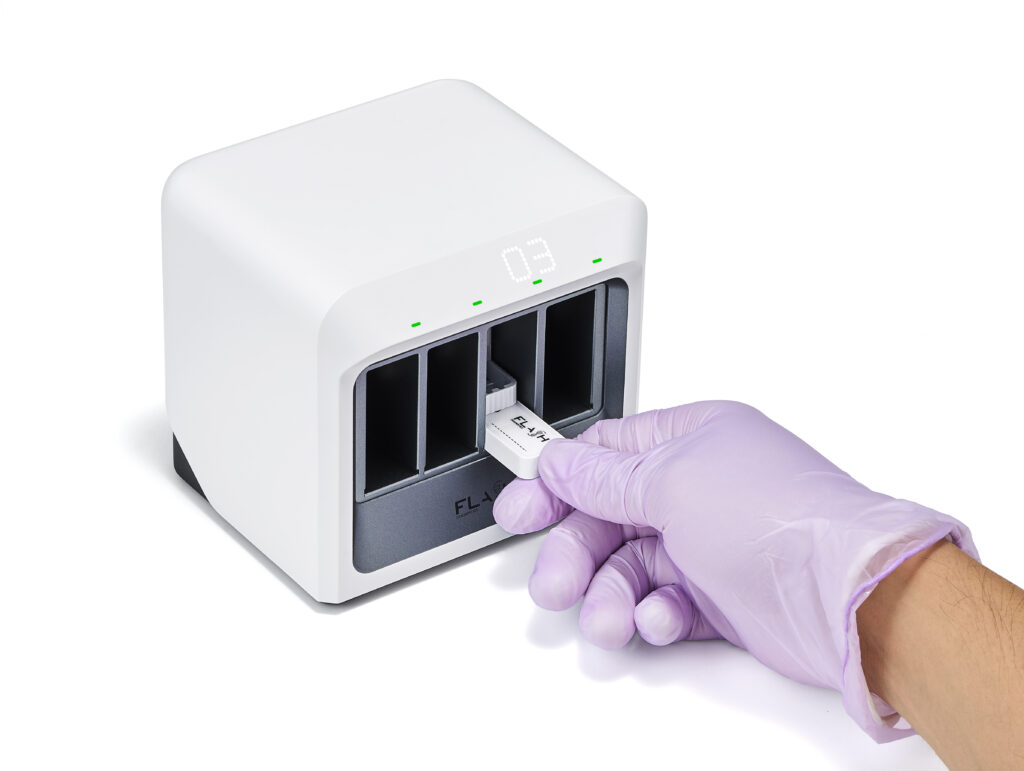
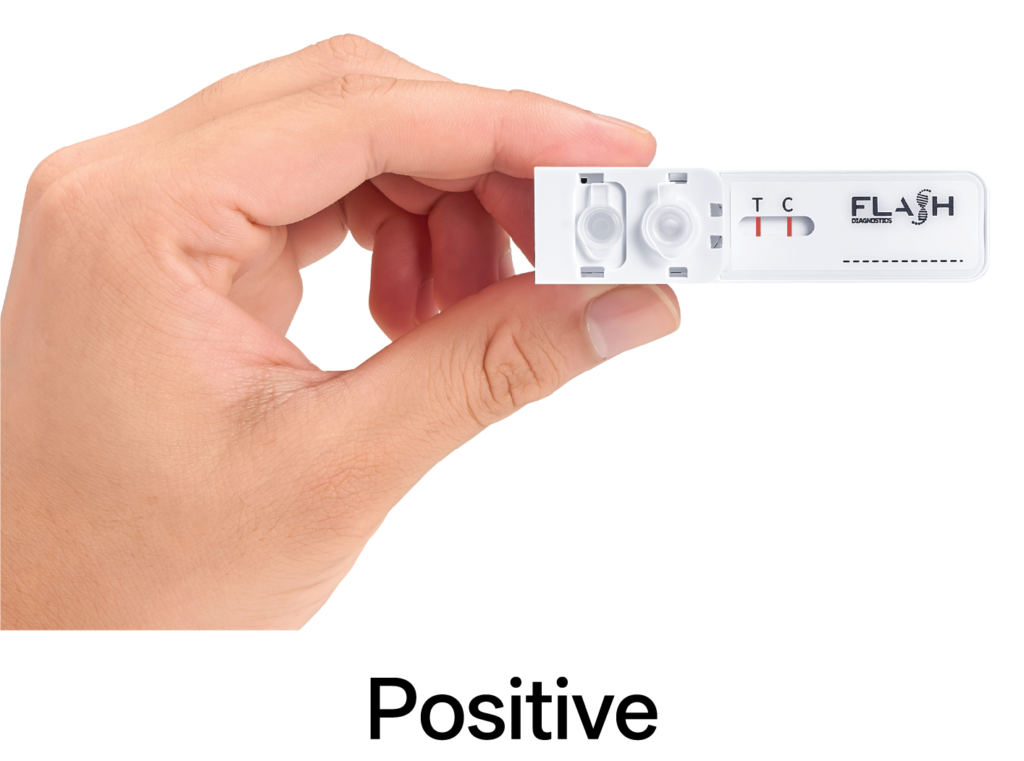
3. Activate the test cartridge and read the results
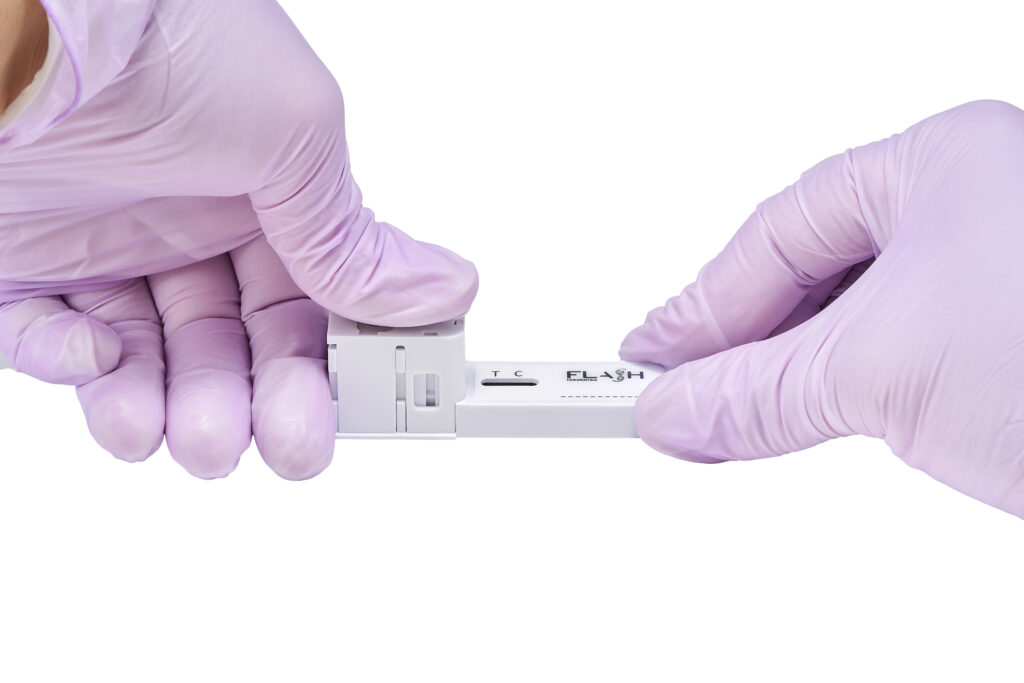
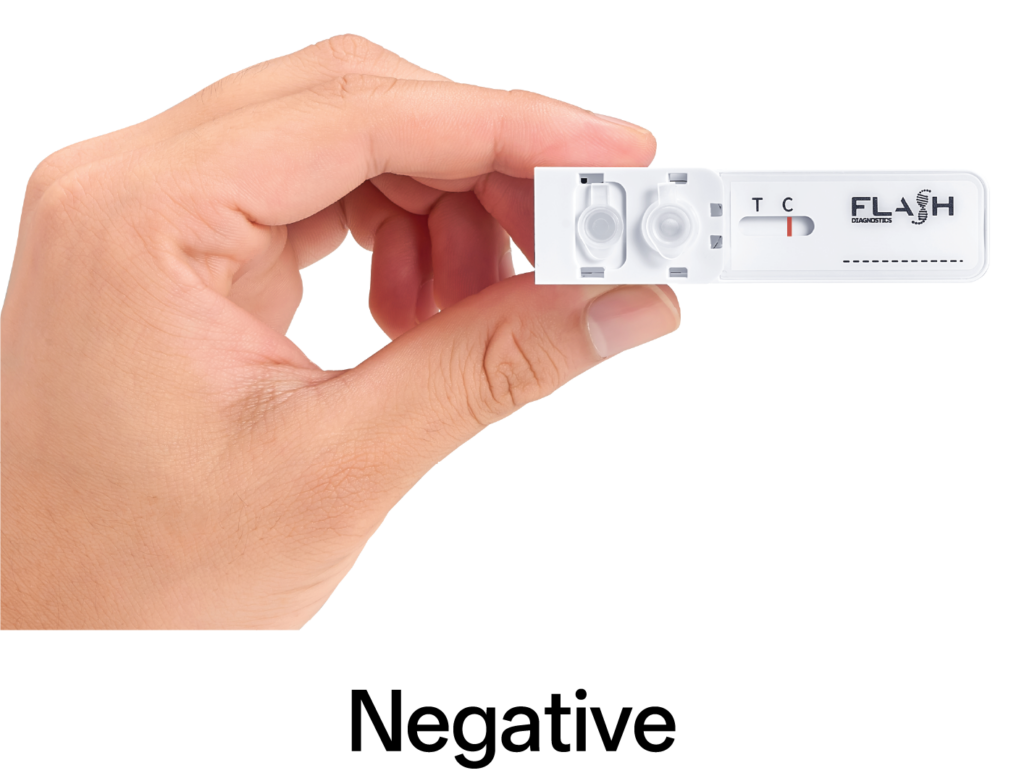
OR
General information
Target: Mycoplasma felis
Species: Feline
Sample type: Oropharyngeal, nasal, and conjunctival swab
Result interpretation: Visual – lateral flow strip
Format: Single-use disposable test kit
Reagents: Lyophilized beads for isothermal amplification reaction
Hands-on sample preparation: 5 minutes
Reaction time: 30 minutes
Analytical limit of detection: 1,250 copies per reaction
Shelf life and storage: 12 months at room temperature